Bristol's independent arts venues are entering their busiest month in three years, with at least a dozen creative spaces across the city launching fresh programming designed to serve neighborhoods rather than chase tourist dollars. The shift reflects a conscious decision by programmers to anchor their work in local communities, particularly as climate instability and economic pressures reshape how people engage with cultural life.
The timing matters. As heatwaves batter the continent and uncertainty grips international affairs, cities like Bristol are seeing heightened demand for intimate, accessible arts experiences. Venue operators report that audiences increasingly value venues within walking distance of their homes rather than concentrated in the city center. This decentralization is remaking Bristol's cultural landscape in real time.
From Stokes Croft to South Bristol: A Neighborhood-by-Neighborhood Strategy
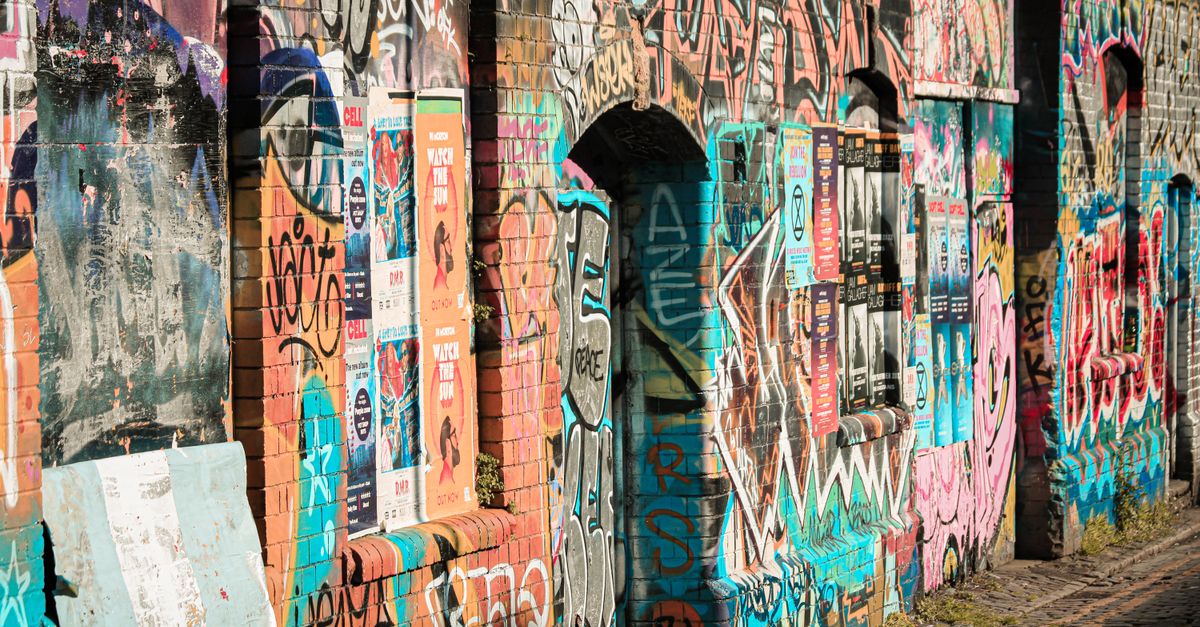
Stokes Croft's Cafe Kino, the cooperative cinema and bar that's operated as a community asset since 1996, is hosting daily afternoon screenings aimed at families and older residents throughout July, running from 2 p.m. until evening shows begin at 7 p.m. The venue's programming team deliberately avoided blockbusters, instead curating work by local Bristol filmmakers and international independent directors. Operating costs for the venue have risen 23 percent since 2024, according to venue management, but ticket prices remain fixed at £5.50 for daytime screenings—a deliberate pricing strategy designed to resist gentrification pressures.
Meanwhile, in South Bristol, the Create Centre in Ashton—a former industrial space converted to studio and performance space two decades ago—opened its summer residency program on June 28, hosting twelve artist collectives working across textiles, sound design, and ceramics. The residencies, funded partly through Bristol City Council's Cultural Regeneration Grant program, offer emerging artists workspace at £240 monthly. That's roughly 40 percent below commercial studio rates across the city center.
These aren't marginal operations. Cafe Kino draws roughly 800 visitors monthly during winter months; that figure doubles in July and August. The Create Centre accommodates 40 resident artists at any given time, with a waiting list of 60 applications as of May 2026.
Why Independent Programming Matters Right Now
Programmers at these venues argue that their approach directly counters both the homogenization of high-street culture and the isolation that comes from geopolitical anxiety. One Create Centre curator explained that residents have explicitly requested programming that explores questions of belonging and community resilience—themes that appear across this month's artist residencies and public events.
Bristol's Arts Development Team recorded 127 cultural events citywide during July 2025; early data suggests that figure will reach 164 events this July, with independent and community venues accounting for roughly 110 of those. The data reveals something beyond raw event numbers: venues are building deeper engagement with fewer people rather than chasing capacity.
The economics reflect this commitment. Cafe Kino operates on a cooperative membership model with 340 active members who contribute labor and governance. The Create Centre survived the pandemic partly because its resident artists collectively pledged £12,000 in emergency contributions to the space. These aren't models that scale to big venues, but they're proving durable in ways that commercial programming hasn't.
If you're planning a Bristol arts outing this July, skip the city center queues. Walk to your neighborhood venue, check their local programming, and ask the staff what they're building. The city's creative energy isn't concentrated downtown anymore—it's distributed across Stokes Croft, Southville, Bedminster, and beyond. That's the real story of Bristol's summer cultural moment.