culture
Bristol’s Street Art Scene Surges as Murals Spark Citywide Conversations
New commissions and debates over public art spaces have sparked a fresh wave of interest and discussion throughout Bristol’s neighbourhoods.
How we reported this
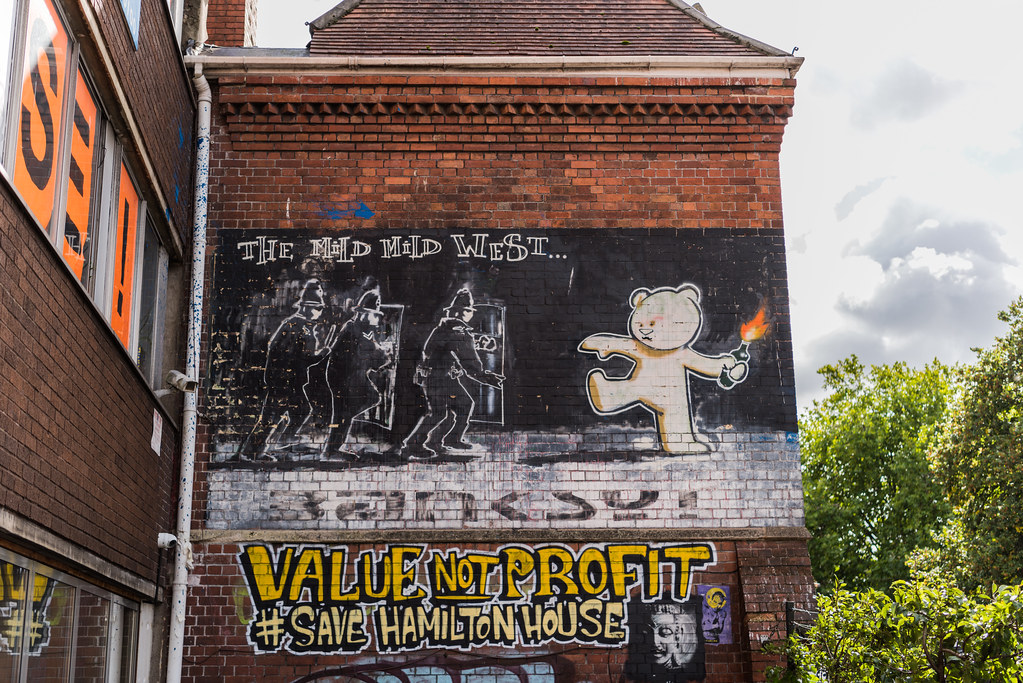
Bristol is witnessing a surge in street art activity that’s capturing residents’ attention and stirring debate. Over the past three months, at least seven major murals have been commissioned across the city, from Stokes Croft to Bedminster, reflecting a renewed local enthusiasm for public art and its role in urban life.
This revitalisation is happening amid growing discussions about how public space is used and who gets to shape the city’s visual identity. The city's ongoing £500,000 investment in the Urban Canvas Project aims to support local artists while tackling issues around graffiti vandalism and corporate advertising dominance, making it a focal point for both artists and communities.
From Stokes Croft to Bedminster: Where Art Meets Community
Stokes Croft continues to be Bristol’s pulsating heart for street art, where independent galleries like the Upfest Collective have organized weekly mural projects that bring together emerging local artists and residents. Meanwhile, the Bedminster Cultural Association recently partnered with Paint the Town, a community-driven programme, to restore a faded mural on East Street, injecting new life into a once-neglected public wall.
These efforts are complemented by the Bristol Street Art Trail, which now maps 45 key murals around the city, encouraging both tourists and locals to explore neighbourhoods often overlooked. The trail has seen a 30% increase in sign-ups on local tour websites since April, highlighting growing public interest.
Data Behind the Dialogue
The recent spike in mural commissions correlates with a 22% rise in applications for public art permits filed with Bristol City Council in the first half of 2026 compared to the same period last year. This increase reflects changing municipal policies that actively encourage temporary and permanent street art as part of urban renewal strategies.
However, the surge has sparked debate. A recent survey by the Bristol Urban Arts Forum found that 62% of respondents support increased legal street art zones, yet 28% are concerned about the potential for graffiti to contribute to perceived urban disorder. Balancing artistic freedom with community standards remains a key topic at ongoing city council consultations, set to conclude by September.
Meanwhile, funding remains a challenge. Many artists rely on grants averaging £2,500 per project, provided through schemes like the Arts Council England's local funding initiative, but calls for greater financial support persist.
Looking ahead, Bristol City Council is poised to deliver a public review on street art policy this autumn, potentially introducing dedicated mural corridors and expanded legal painting walls. Residents eager to contribute can attend upcoming meetings at the Watershed Centre on July 24 or submit feedback via the council’s website until August 15.
Whether through casual strolls along the graffiti-rich Carriageworks or participating in community painting days, Bristol residents have numerous ways to engage. The current wave of murals is more than decoration; it’s sparking conversations about identity, ownership, and the future of the city’s streetscape.