culture
Tracing the Stages: The History and Evolution of Bristol's Theatre Scene
From eighteenth-century playhouses to cutting-edge performance hubs, Bristol's theatre landscape reveals a rich cultural journey.
How we reported this
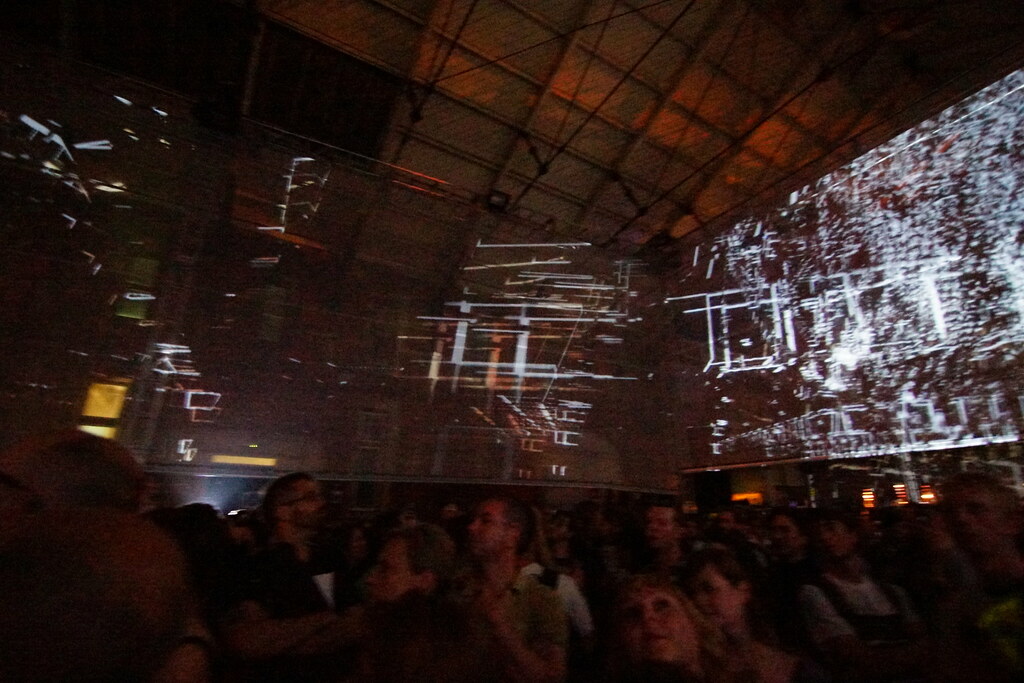
Bristol’s theatre scene has transformed dramatically over the past three centuries, evolving from modest eighteenth-century playhouses to a diverse hub of bold contemporary performance spaces. This week marks the 250th anniversary of the Bristol Old Vic, the oldest continually working theatre in England, spotlighting the city’s longstanding dedication to the performing arts.
Understanding the trajectory of Bristol’s theatres matters now as venues and companies navigate post-pandemic recovery while responding to changing audience expectations and a shifting cultural landscape. The revival of live performance in the city is not only about entertainment but also reflects Bristol’s role as a cultural capital seeking to foster inclusivity, innovation, and economic vitality.
From Orchard Street to King Street: Landmarks of Local Performance
The story begins in 1766 on King Street, where the Bristol Old Vic first opened its doors, showcasing Georgian drama within its iconic circular auditorium. This venue has witnessed the city grow alongside its stages, adapting through times of war and peace. Less than two miles away, the Tobacco Factory Theatre in Southville has emerged as a contemporary performance venue since 1998, revitalising an old warehouse into a community-focused theatre space led by fellow actor and director Emma Stenning.
The Tobacco Factory Theatre has broadened Bristol’s cultural offerings, providing a platform for experimental works and local playwrights. Additionally, organizations like Theatre Bristol, founded in the early 20th century, helped establish a tradition of amateur dramatics, seeding interest that flourished throughout the city's neighbourhoods, notably in the vibrant Old Market area.
A Numerical Spotlight on Growth and Reach
By 2025, Bristol boasted over 20 active theatre companies and more than a dozen venues dedicated to live performance, ranging from large institutions like the Bristol Old Vic, seating 470, to intimate black box theatres accommodating fewer than 100 patrons. In 2024, the city's performing arts sector contributed approximately £45 million annually to the local economy and attracted over 300,000 attendees, according to a report commissioned by Bristol City Council’s Cultural Strategy Unit.
Ticket prices vary widely-mainstage productions at Bristol Old Vic average £18 per seat, while fringe performances at smaller venues often offer entry under £10 to encourage accessibility. The evolution of Bristol’s theatre scene is also reflected in programming choices, with increasing representation of diverse voices and contemporary themes appealing to Bristol's multicultural population, particularly in neighbourhoods such as St Pauls and Easton.
Looking ahead, several upcoming initiatives promise to extend Bristol’s theatrical legacy. The Bristol Cultural Development Fund is sponsoring a three-year project commencing this autumn aimed at supporting emerging playwrights from underrepresented communities. Meanwhile, Bristol Old Vic is preparing to complete a much-anticipated £5 million renovation next spring, which will upgrade technical facilities and audience amenities without compromising the historic integrity of the King Street landmark.
For locals and visitors eager to engage with this evolving scene, the summer schedule features open rehearsals, outdoor performances in Castle Park, and discounted ticket days through the Bristol Theatre Membership scheme. These efforts reflect a broader commitment to ensuring theatre remains a vibrant, accessible thread in the city’s cultural fabric.