culture
Tracing Bristol's Theatrical Journey: From Historic Stages to Contemporary Vibrancy
Exploring how Bristol's theatre and performance scene has evolved over centuries into a dynamic cultural cornerstone.
How we reported this
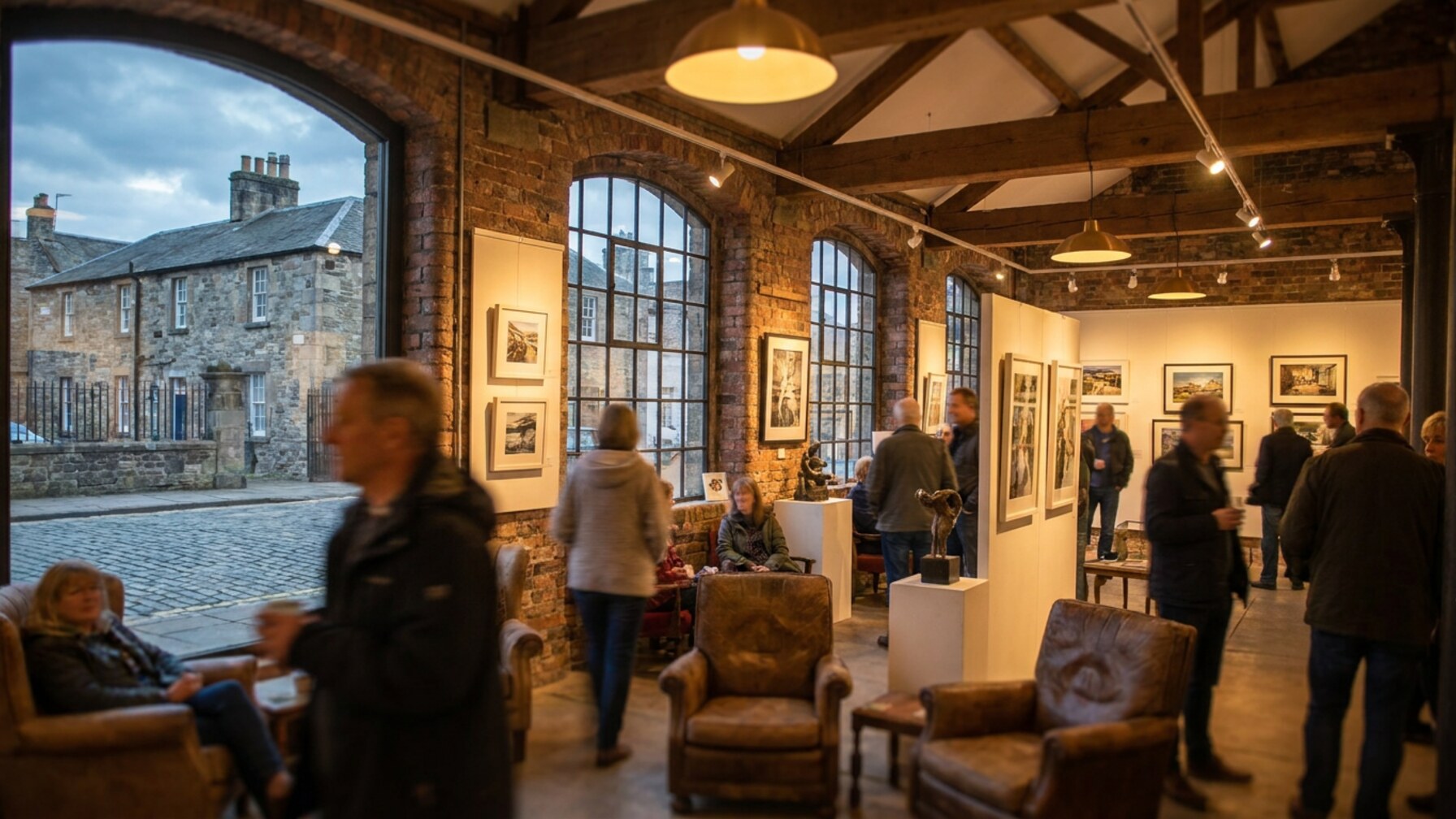
This summer, Bristol Theatre Week, running from July 15 to 22, offers more than just a glance at upcoming performances-it shines a spotlight on the city’s rich theatrical heritage and its evolution. Marking over 300 years since the opening of Bristol's first permanent playhouse, the week of events celebrates how local venues and artists have shaped the city's distinctive performance landscape.
The significance of understanding Bristol’s theatre history is underscored by the current surge in cultural investment and audience engagement around the city. At a time when arts funding faces uncertainty nationally, Bristol’s commitment to nurturing its stage arts speaks to a broader effort to retain and grow its identity as a creative hub. This local resurgence connects to wider shifts in how communities engage with live performance, blending traditional roots with contemporary innovation.
Historic Venues and New Frontiers
Bristol’s early theatrical scene was anchored around the Theatre Royal on King Street, which first opened its doors in 1766 and remains a pivotal venue today. The Theatre Royal not only exemplifies the city’s enduring theatrical passion but also serves as a testament to adaptive reuse, having undergone significant restoration following the 1945 Bristol Blitz. Meanwhile, smaller venues such as the Tobacco Factory Theatre in Southville, founded in 1998 by the visionary director Mike Tweddle, represent the contemporary face of Bristol’s theatre. Known for its bold programming and community outreach, the Tobacco Factory has become a breeding ground for emerging local talent and experimental work.
The city's network of performance spaces now includes The Wardrobe Theatre in Clifton, which specializes in immersive and site-specific productions, encapsulating Bristol’s embrace of innovative theatrical forms. These venues, with varied capacities ranging from the 426-seat Theatre Royal to the intimate 90-seat Tobacco Factory main stage, illustrate how Bristol caters to diverse audiences and theatrical styles.
Numbers That Tell a Story
Data from Bristol City Council’s 2025 cultural report reveals that theatre attendance in the city has increased by 18% over the past five years, outpacing many comparable UK cities. Ticket sales for local productions reached a record £4.2 million in 2025, signaling both rising public interest and improved box office returns. Average ticket prices hover around £20, with affordable community performances running as low as £8, reflecting an intentional strategy to maintain accessibility.
Moreover, investment in Bristol’s performance infrastructure has seen a recent boost, including a £1.1 million grant awarded in early 2026 toward upgrades at the Bristol Old Vic Theatre School-a historic institution dating back to 1946 that has trained generations of actors and technicians. This injection of funds aims to modernize facilities and expand educational outreach, ensuring the city’s theatrical ecosystem continues to thrive.
Looking ahead, Bristol’s theatre ecosystem is poised for growth with plans for a new performance space slated for development in the Broadmead area, designed to foster collaborative projects between local artists and international companies. For theatre enthusiasts and newcomers alike, staying engaged with the city’s vibrant scene is easier than ever: signing up for Bristol Theatre Week guarantees access to panels, workshops, and performances that chronicle this dynamic evolution.
As Bristol’s theatre community celebrates its past, it simultaneously scripts its future, offering residents and visitors a living narrative of cultural resilience and artistic innovation.