lifestyle
Parenting in Bristol: What’s Changed and Why Locals Are Embracing It
From new community hubs to flexible childcare options, Bristol parents are finding fresh support and freedoms in city life today.
How we reported this
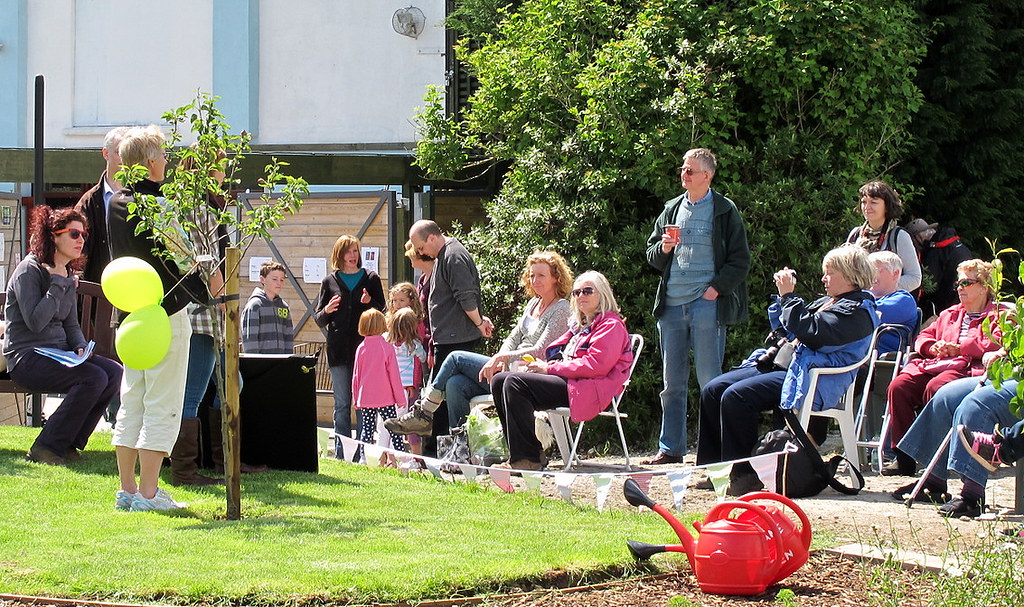
Parenting in Bristol has recently undergone significant changes that many locals are celebrating. A combination of expanded family-friendly spaces, innovative childcare programs, and city council initiatives have reshaped the day-to-day experience for parents across the city.
These developments matter now more than ever as Bristol’s population grows and lifestyles evolve. The rising cost of living, changes in work patterns following the pandemic, and a growing focus on community wellbeing have all contributed to new demands on parental support systems. In response, Bristol is adapting to meet the needs of modern families.
New Community Spaces and Childcare Initiatives
Two hubs are spearheading this shift: The Mason Hill Centre in Easton and the Hope Community Garden in St. Paul’s. Both venues have increased their family-oriented programming since early 2026, offering everything from weekly toddler playgroups to parenting workshops and outdoor activities aimed at young children. The Hope Community Garden, in particular, has partnered with local schools to provide after-school nature programs that also serve as informal childcare during late afternoon hours.
Additionally, the Bristol City Council’s rollout of the "Flexible Childcare Together" scheme, launched in April 2026, allows parents to mix and match childcare providers for up to 30 hours a week with government subsidies. This has been especially popular among single parents and those juggling irregular work hours, opening new possibilities for work-life balance without forcing families to choose between care quality and affordability.
Evidence of Shifting Parental Priorities
Recent data from the Office for National Statistics highlights this trend. A 2026 survey showed a 25% increase in Bristol parents using mixed childcare arrangements compared to 2023 figures. Meanwhile, waiting lists for traditional full-time nurseries in areas like Clifton and Redland remain long, but the new flexible model has eased pressure by diversifying care options and reducing average weekly childcare costs by around £40 per family. Moreover, participation in community parenting groups citywide has doubled since last year, reflecting a revived appetite for peer support networks.
The change is palpable in everyday life as well. On popular family strolls along the harbourside or visits to the Bristol Old Vic’s family matinees, parents remark on feeling more supported and integrated into the city’s fabric. The presence of dedicated baby-changing facilities and free entry to children’s activities at locations such as the Bristol Museum and Art Gallery also underline Bristol’s commitment to being a kid-friendly city.
Looking ahead, the city’s Family Services department plans to expand flexible childcare subsidies and improve transport links between neighbourhoods to further ease access to family resources. Parents are encouraged to take advantage of the city’s online portal for booking childcare slots and joining community groups, which simplifies networking and planning.
For those navigating parenting in Bristol, the message is clear: the city offers more than just space for children to grow. It provides a community adapting alongside them, backed by tangible programs and inclusive public spaces. This evolving landscape is creating a Bristol where parenting doesn’t mean sacrificing personal or professional goals but finding new ways to flourish together.