lifestyle
Bristol Residents Reveal 5 Practical Ways to Build Stronger Communities
From Easton to Redland, residents reveal practical ways they nurture connection in everyday life.
How we reported this
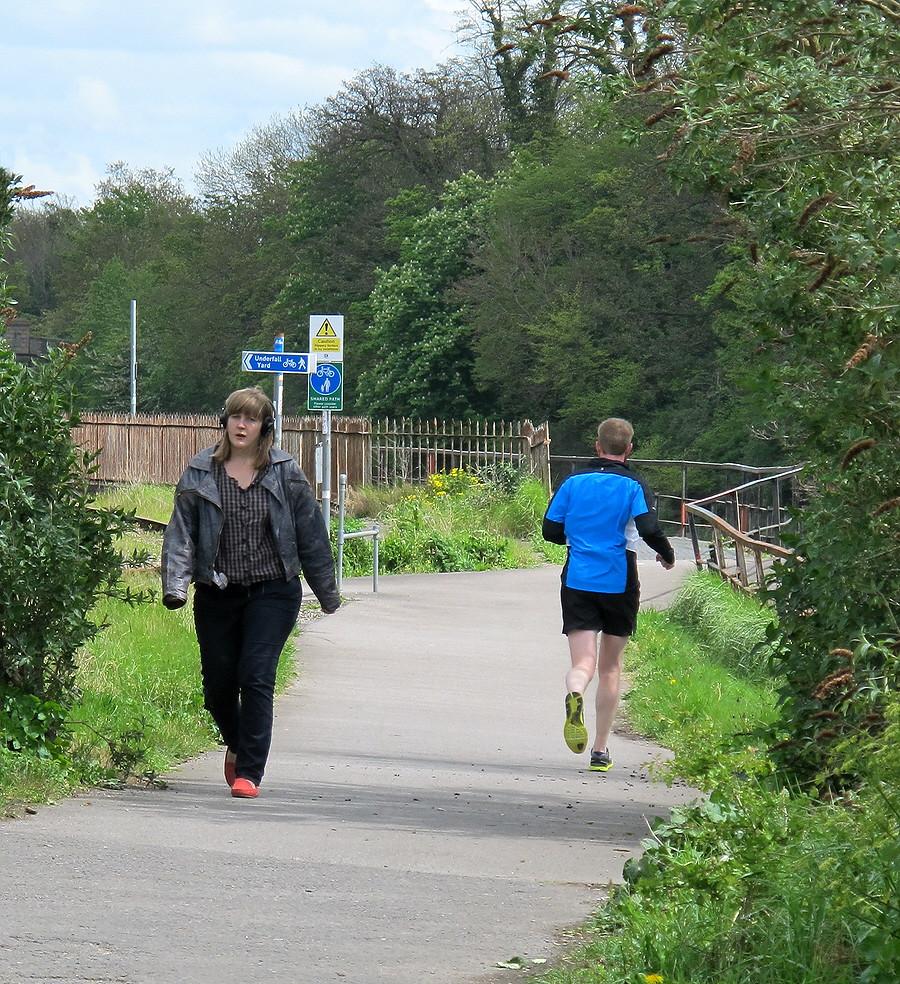
Strong relationships and a sense of community have become a cornerstone for many Bristol residents navigating the challenges of modern urban life. Locals across the city are sharing practical advice and personal experiences on how to cultivate these bonds daily, highlighting the importance of connectedness in neighborhoods like Easton and Redland.
Recent surveys suggest that urban isolation is on the rise across the UK, and Bristol is no exception. This trend intersects with broader social shifts: economic pressures, rising living costs, and changing social habits mean people crave genuine connection more than ever. With community support playing a vital role in well-being, Bristol’s grassroots initiatives and everyday interactions are gaining renewed attention.
Where Bristol Meets and Connects
One example is the Easton Community Centre on Church Road, which hosts weekly social events ranging from potluck dinners to shared gardening sessions. These gatherings provide low-cost opportunities, often under £5 per event, for locals to meet in a relaxed setting. Meanwhile, the Redland Library on Redland Green offers regular book clubs and crafts groups that bring together residents of various age groups, fostering intergenerational ties.
Organisations like Bristol Community Larder on Mina Road have also become pivotal in promoting communal support networks. Beyond providing affordable groceries, the Larder encourages volunteering, creating a tapestry of relationships that reinforce social fabric. Bristol City Council's 2026 Community Connections Fund has allocated £200,000 in grants to support such local groups enhancing social cohesion.
Data and Grassroots Evidence of Connection
A 2025 Bristol City Council report highlighted that 65% of respondents felt a strong sense of belonging in their neighborhood, with those engaged in community activities reporting higher life satisfaction. Moreover, the cost of isolation is quantifiable: NHS Bristol data from last year indicated that loneliness-related health issues add an estimated £4.5 million annually to local healthcare costs.
Housing projects like the Windmill Hill and Totterdown Partnership (WHTP) actively promote face-to-face interaction through communal spaces and inclusive events, leading to a reported 40% increase in residents attending local meetings since 2024. These figures underscore how investment in social infrastructure is integral to healthier, happier communities.
Locals recommend simple but impactful practices: regular visits to neighborhood cafés such as The Greenhouse on Cheltenham Road, joining local sports teams like Bedminster Cricket Club, or participating in open mic nights at The Old Duke on King Street. These activities offer comfortable, informal contexts for relationship building without substantial financial or time commitments.
Looking ahead, organisations across Bristol urge residents to prioritise presence and consistency in community engagement rather than isolated acts. Signing up for local newsletters, volunteering regularly, or simply inviting a neighbour for a cuppa can lay foundations for stronger ties. With Bristol’s busy social calendar and expanding community centres, opportunities abound to live community daily, not as a duty, but as a shared rhythm that enriches everyone involved.