News
Understanding the Duplicate Image Replacement Issue: Background Context and How We Arrived at This Point
A closer look at the factors leading to the duplicate image replacement problem in Bristol's digital archives
3 min read
Updated 4 h ago
News
A closer look at the factors leading to the duplicate image replacement problem in Bristol's digital archives
3 min read
Updated 4 h ago
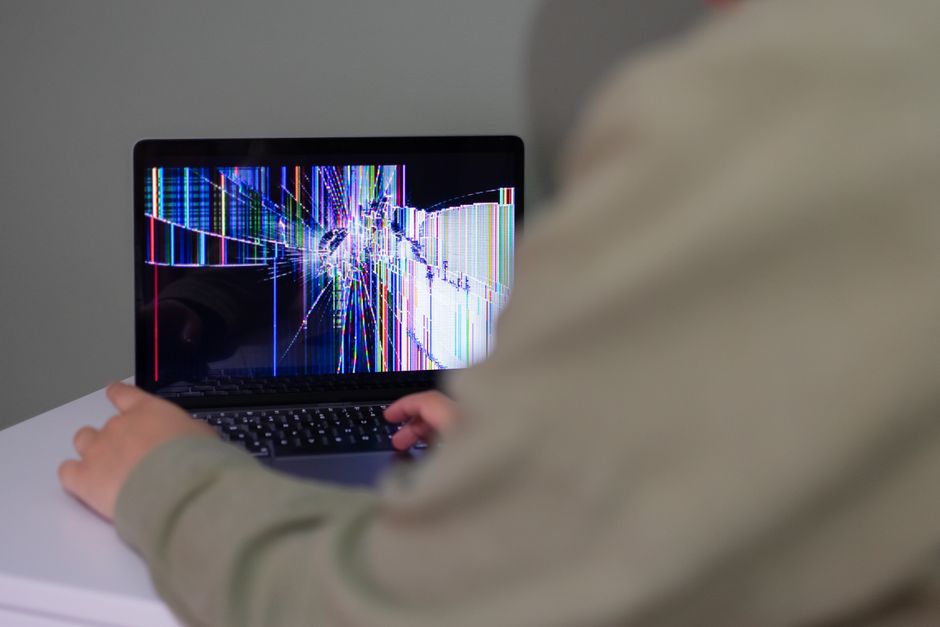
Bristol's city council has announced plans to tackle the duplicate image replacement issue in its digital archives, a problem that has been growing in severity over the past few years. The council's decision comes after a review of its digital storage systems revealed a significant number of duplicate images, taking up valuable storage space and causing inefficiencies in the city's data management.
The duplicate image replacement issue matters now because of the increasing importance of digital data management in local government. As more and more services move online, the need for efficient and effective data storage and management has become critical. In Bristol, this issue is particularly relevant due to the city's thriving tech industry and its reputation as a hub for digital innovation. The city is home to a number of major tech companies, including HP and IBM, and is also a popular location for startups and entrepreneurs. With the city's digital sector continuing to grow, the need for reliable and efficient data management systems has never been more pressing.
In Bristol, the duplicate image replacement issue is being felt across a number of different organisations and institutions. The city's museum and art gallery, for example, has a vast collection of digital images that need to be stored and managed. The same is true for the city's universities, including the University of Bristol and the University of the West of England, which both have large collections of digital data that need to be stored and managed. In terms of specific locations, the issue is being felt in areas such as Broadmead, where a number of tech companies are based, and in the harbour area, where a number of startups and entrepreneurs are located.
According to data from the city council, the duplicate image replacement issue is costing the city around £100,000 per year in unnecessary storage costs. This is a significant amount of money, especially when you consider that it could be spent on other important services and initiatives. In terms of the number of duplicate images, the council's review found that there were over 10,000 duplicate images in the city's digital archives, taking up around 1TB of storage space. This is a significant problem, and one that needs to be addressed as soon as possible. The council has set a target of reducing the number of duplicate images by 50% over the next 12 months, and has allocated £50,000 to support this work.
So what happens next? The city council has announced plans to implement a new data management system that will help to identify and remove duplicate images. The system, which is being developed in partnership with the University of Bristol, will use advanced algorithms and machine learning techniques to identify duplicate images and remove them from the city's digital archives. The council is also working with local organisations and institutions to raise awareness of the issue and to promote best practice in data management. In terms of practical advice, individuals and organisations can take steps to reduce the number of duplicate images by regularly reviewing their digital files and removing any duplicates. This can help to free up storage space and reduce the risk of data management errors. By working together, we can help to tackle the duplicate image replacement issue and ensure that Bristol's digital archives are efficient, effective, and reliable.
News

News

News

News
About this article
Published by The Daily Bristol
Spread the word
Daily brief
Free, in your inbox before 7am. Weekdays.