news
Bristol's Traffic Crisis: Decades of Planning Failures Explained
Examining the history and key factors behind Bristol’s ongoing transport and traffic issues.
How we reported this
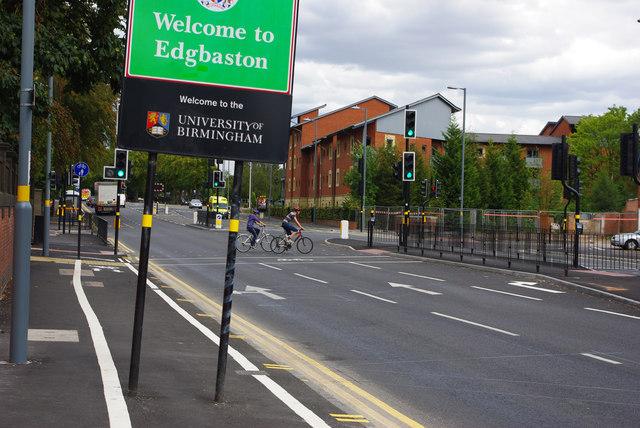
Bristol has faced growing traffic congestion and transport challenges over several years, impacting daily commutes and the city’s overall mobility. While no single recent event defines the situation, a combination of urban growth, infrastructure choices, and changes in transport policy have shaped Bristol’s current transport landscape.
Why Transport and Traffic Matter Now
Increasing congestion in Bristol affects everything from air quality to economic productivity. These issues are amplified during peak travel times in neighbourhoods and main roads, complicating efforts to support sustainable urban living. Understanding the trajectory of Bristol’s transport system is essential as city planners and residents navigate pressures to improve public transport options and reduce reliance on private vehicles.
Tracing the Local Context
Bristol’s transport has long been influenced by its geography and urban expansion. Routes such as the A38 and areas around Temple Meads station are critical arteries but frequently experience bottlenecks. Efforts to integrate cycling infrastructure and bus upgrades signal attempts to ease traffic and promote alternatives, yet these changes have often struggled to keep pace with growing demand. Community groups and local government discussions indicate ongoing debates over balancing development, heritage conservation, and sustainable transport goals.
The broader UK-wide focus on climate targets and cleaner air zones also places Bristol’s transport challenges in a national context. While specific data on prices or congestion levels for Bristol are not detailed here, general trends show many cities wrestle with similar issues, including road space allocation and public transport funding.
Qualitative evidence points to a steady increase in car usage as well as rising expectations for efficient, low-emission transport solutions. These factors have led to a complex web of infrastructure projects, incremental policy shifts, and shifting commuter habits that together contribute to Bristol’s current traffic conditions.
Looking ahead, Bristol’s transport future will depend on coordinated strategies encompassing investment in public transit, encouragement of active travel, and community engagement. Residents can expect ongoing discussions about improvements, alongside potential experimentation with traffic management schemes to alleviate congestion in key areas. The situation underscores the need for patient, evidence-driven approaches as the city strives to balance accessibility, environmental goals, and quality of life.