news
Tracing Bristol’s Transport Challenges: How We Got Here
A closer look at the factors shaping Bristol’s current transport and traffic situation and why understanding the past matters now.
How we reported this
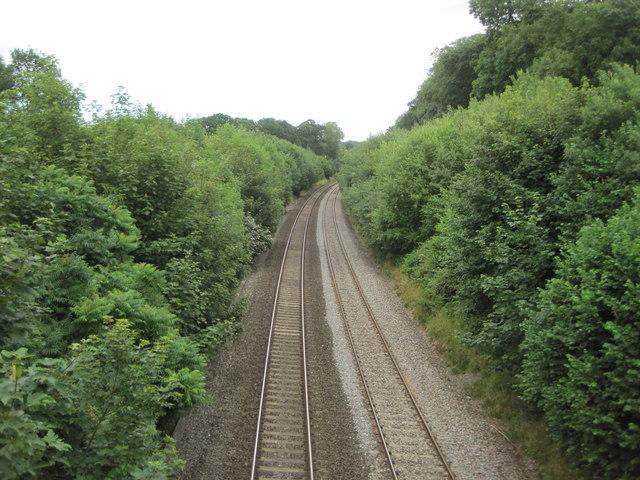
Bristol’s roadways continue to face pressure as the city grapples with congestion and traffic management challenges that have been years in the making. The current state of affairs can be linked to a complex mix of urban growth, evolving transport policies, and shifting commuter patterns.
Why This Matters Today
Traffic and transport remain critical issues for Bristol’s residents, businesses, and planners. With increasing urban development and demand on infrastructure, delays and congestion impact daily life and economic activity across the city. Understanding the historical context helps clarify why addressing these issues remains urgent and complicated.
Bristol’s expansion over the past decades has brought more cars on the road amid a public transport system that faces capacity constraints and evolving user needs. This interplay contributes to traffic bottlenecks, particularly in key corridors connecting neighbourhoods and commercial areas.
Local Landscape and Influences
Key routes such as the A38, which connects central Bristol with the wider region, continue to experience heavy traffic flows during peak hours. Similarly, the M32-Bristol’s main motorway link into the city centre-frequently suffers congestion, reflecting both commuter volumes and freight transport. This pressure is compounded by ongoing construction projects and urban regeneration efforts around areas like Temple Meads, which aim to modernise transport hubs but temporarily disrupt traffic patterns.
Local authorities have implemented schemes intended to moderate traffic and promote sustainable travel, such as enhanced cycling paths and bus priority lanes. Organisations advocating for improved public transport emphasize that long-term solutions need to balance infrastructure upgrades with policies encouraging reduced car reliance.
The evolution of transport in Bristol has also been influenced by broader economic and social trends, such as changes in work habits and regional connectivity. Despite these regional and local efforts, a comprehensive and resilient traffic system remains a work in progress, affected by population growth and the limitations of existing infrastructure.
What Lies Ahead for Bristol Commuters
Looking forward, Bristol’s transport authorities and urban planners are expected to continue pursuing integrated approaches that include public transport improvements, traffic demand management, and active travel incentives. Commuters and residents are advised to stay informed about ongoing developments, potential roadworks, and alternative travel options that could ease daily travel stresses.
While no quick fixes are apparent given the systemic nature of traffic challenges in Bristol, sustained investment and community engagement offer paths to gradual improvement, aiming for a city where mobility supports both economic vitality and quality of life.