news
Bristol Council Decisions Shape Services for 300,000 Residents Daily
Key council actions influence everyday life for Bristol residents, shaping neighbourhoods and services.
How we reported this
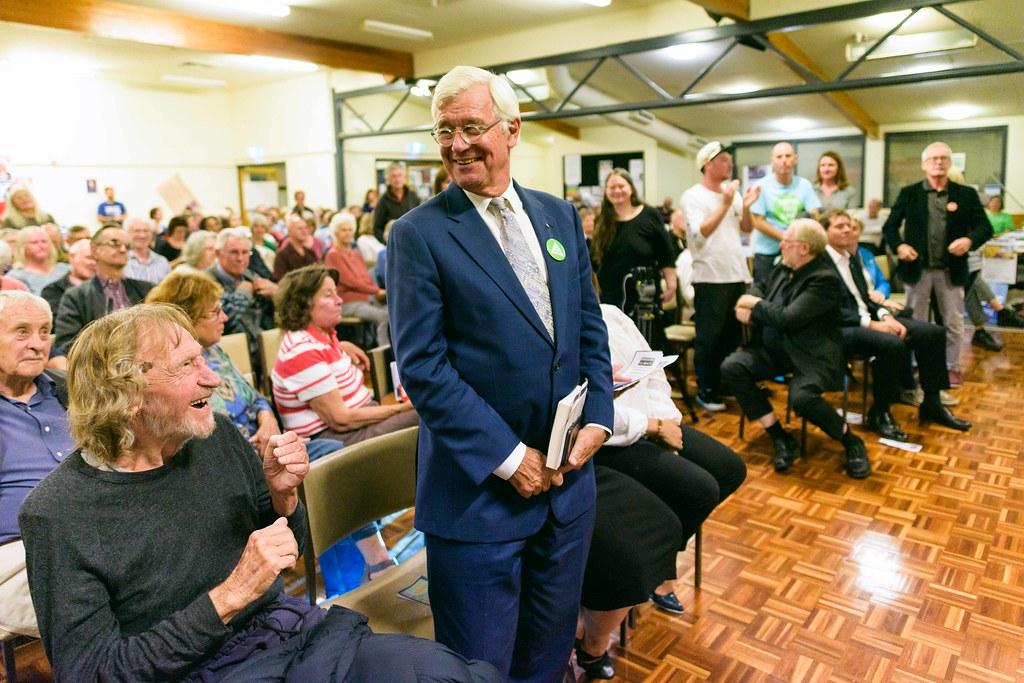
Bristol City Council continues to make decisions that resonate deeply within local communities, affecting everything from housing and public spaces to social services. These choices matter now because residents are seeking clarity on how ongoing urban development and budget priorities translate into tangible changes in their daily lives.
Why the timing is critical for Bristol residents
Recent wildfires in Europe and international crises have shifted national focus and resources, but the local government's agenda remains vital for Bristol citizens. With national policy priorities in flux, local decisions regarding service provision, safety measures, and urban planning hold proportionally greater weight in sustaining community wellbeing. Bristol’s diverse neighbourhoods are watching closely how their council navigates limited budgets while responding to demands for housing, transportation improvements, and environmental concerns.
Residents in areas impacted by recent wildfires and urban pressures, notably around the city’s outer districts, are particularly attentive to council moves on emergency preparedness and green space management. Community groups and local charities also seek assurances that public funding will support vulnerable populations, especially as broader geopolitical tensions may indirectly affect economic and social stability at the local level.
Local implications of council policies
Across Bristol, the council’s commitment to balancing regeneration with community needs manifests in decisions about public amenities, road safety, and social housing enhancements. Although specific numerical data on budget allocations or project timelines is not yet publicly available, community leaders emphasize the importance of transparent communication on how these policies will be implemented on the ground.
Key neighbourhoods including Stokes Croft and Easton experience direct effects from local planning outcomes, as public spaces and local businesses adapt to changes in traffic and pedestrian access. Similarly, social service providers in areas like Lawrence Hill monitor council funding that supports vulnerable groups, including those affected by housing insecurity or economic hardship. As Bristol's urban profile evolves, the council’s ability to integrate community feedback into development plans will significantly shape residents’ quality of life.
While data on funding or timelines has not been published alongside recent council announcements, qualitative evidence from community forums and public meetings points to a growing demand for inclusive and resilient urban solutions. The lived experience of residents alongside volunteer organisations illustrates the need for responsiveness to local challenges, even amid broader uncertainties.
Moving forward, residents are advised to engage with upcoming council consultations and community forums. Staying informed through official channels and neighbourhood groups will be key for Bristol citizens to voice concerns and track progress. The council’s next steps will likely focus on refining policy proposals in response to public input, setting the stage for decisions that will directly impact Bristol’s diverse communities in the months ahead.