Bristol City Council voted on July 9th to adopt revised housing density standards as part of its updated Local Plan policies. The changes specifically affect developers and residents seeking new housing within the city by setting stricter minimum and maximum density targets for residential areas. The policy aims to manage growth while balancing housing supply with local infrastructure and environmental concerns.
The timing of this policy update is significant given Bristol's rapid population growth and the city's continuing challenge of delivering enough affordable homes. Bristol's resident population increased by 8.2% between 2016 and 2021-faster than the national average-and this puts pressure on housing availability and local services. The city is coordinating its efforts within the West of England Combined Authority regional framework, which also includes South Gloucestershire and Bath and North East Somerset, each pursuing variations of housing density policies.
What the policy means for Bristol residents
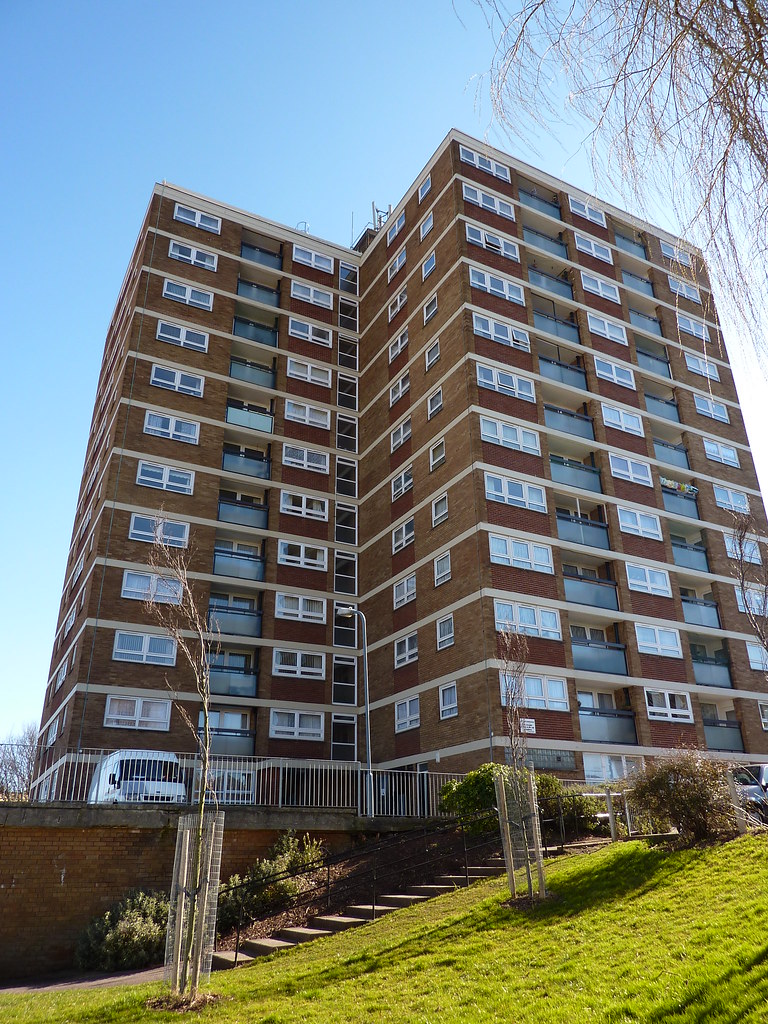
Under the new standards, developers must build within specified density ranges-between 50 to 100 dwellings per hectare depending on the area type. This adjustment restricts low-density sprawl while encouraging medium- to higher-density homes, especially close to transport hubs like Temple Meads and the city centre. Residents can expect to see more mid-rise apartment buildings in these zones, potentially improving public transport viability but altering neighbourhood character in some cases.
The policy also commits to ensuring at least 40% of new homes are affordable housing, as defined by Bristol City Council’s housing strategy. Enhanced density means more opportunities to increase total affordable units built without expanding the city’s footprint. However, some community groups remain concerned about the impact on green spaces and local amenities, given the higher land use intensity.
Data on how Bristol compares nationally
The newly adopted housing density ranges align closely with recommendations by the Homes and Communities Agency and follow similar policies implemented in cities like Manchester and Leeds, which set medium-density targets to maximise available land while supporting sustainability. Nationally, England’s average urban housing density stands at approximately 43 dwellings per hectare, considerably lower than Bristol’s new minimum of 50.
The policy document notes that Bristol currently has a housing shortfall estimated at 4,000 units over the next five years. The city council projects that, with the revised density guidelines, around 7,500 new homes could be built by 2030, up from an anticipated 5,000 under previous limits. This increase could reduce pressure on the rental market, where rental prices have risen 12% over the past two years, according to local real estate data.
Areas classified as 'urban centre' and 'urban fringe' will see the greatest changes. The city plans to channel growth in locations accessible to existing schools, healthcare, and employment centres to reduce car dependency and support Bristol’s carbon reduction targets stipulated in the 2025 Climate Action Plan.
Next steps and implementation
The policy takes effect immediately but includes phased implementation over the next 12 months to allow developers and planners to adjust. Bristol City Council will monitor compliance through quarterly housing development reports, tracking how well projects meet density and affordability targets.
Public consultations are scheduled for autumn 2026 to receive community feedback on the lived impact, particularly from neighbourhoods undergoing significant change. The council plans to review the density policy every three years to respond to housing market conditions and resident needs.
Meanwhile, Bristol continues to coordinate with the West of England Combined Authority on complementary transport improvements to support increased housing densities near major transit corridors. These integrated planning efforts are expected to shape the city’s landscape over the coming decade and influence the daily lives of residents in terms of housing choices, transport access, and community development.