Property
Filwood Park: The Affordable Bristol Suburb Outperforming All Its Neighbours
Once overlooked, Filwood Park is now outpacing pricier districts like Southville and Bedminster in sales growth and investment returns.
3 min read
Property
Once overlooked, Filwood Park is now outpacing pricier districts like Southville and Bedminster in sales growth and investment returns.
3 min read
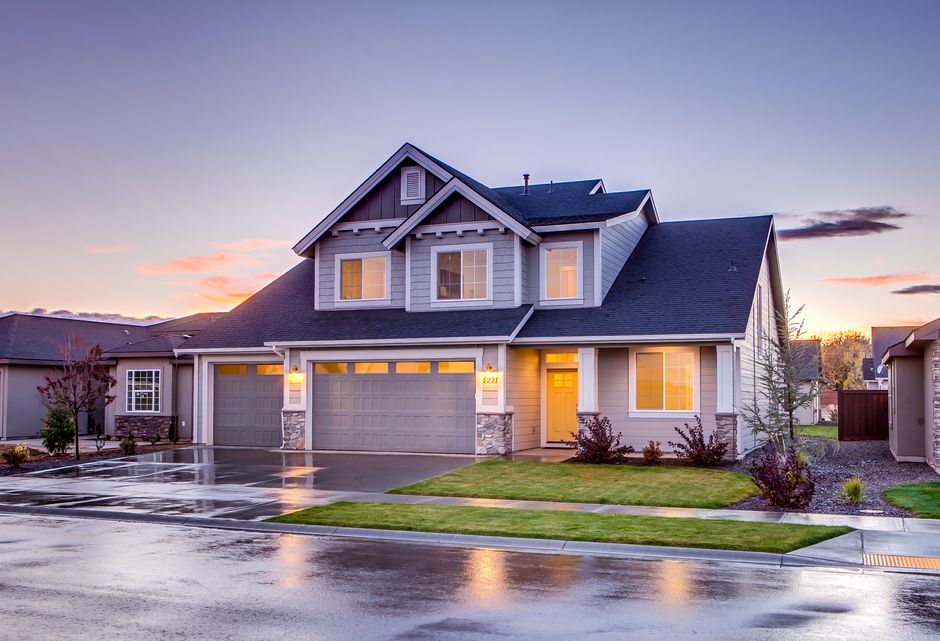
Filwood Park, south of the river and historically one of Bristol’s lower-profile suburbs, has leapfrogged its trendier neighbours to become the city’s top performer for price growth, according to new data published by Hometrack this week. Average house prices in Filwood Park have risen by 11.3% over the last twelve months, outstripping Southville (up 7.9%) and Bedminster (up 6.7%) despite remaining significantly more affordable per square foot.
Rising interest rates and Bristol’s chronic shortage of family homes have left buyers searching for value beyond the city’s established hotspots. That shift is now evident on Creswicke Road and around Filwood Broadway, where three-bedroom semis routinely sell for under £290,000—about £85,000 less than the Southville average and less than half what you’d pay in Clifton. The area’s proximity to Hengrove Park, with its planned £52m leisure regeneration project and upgraded bus routes, has also driven fresh interest among first-time buyers and investors.
Community organisations like Filwood Community Centre have played a role too, helping run the Filwood Fantastic regeneration program, which supported the refurbishment of the old swimming pool site and new greenery along Hartcliffe Way. The Knowle West Media Centre remains a creative anchor, attracting artists and digital startups, evidence of the neighbourhood’s shifting identity. Investors I spoke with cite improved walkability, better lighting and more visible policing as confidence boosters for the area after years of neglect.
Filwood Park’s average transaction value in May 2026 was £257,800, Land Registry figures show. That puts it among Bristol’s cheapest suburbs, but its year-on-year growth beats every other postcode. The area’s rental yields are robust too: lettings firm CJ Hole reports average gross yields of 5.8% for two-bed homes, well above the Bristol average of 4.3%. It’s not just investors piling in. Filwood Park Primary reports record applications, up 22% since 2022, as young families move in chasing more space and local amenities. And the south Bristol campus of UWE just a ten-minute cycle away means a steady demand from students and staff alike.
Filwood’s advantage comes down to basics, says RICS-accredited valuer Peter Statham: "It’s a perfect storm of price gap, upcoming infrastructure, and local take-up. Buyers can get a full garden and driveway for the price of a flat elsewhere." June figures back this up: Filwood listed homes are selling 14 days faster on average than those in Bedminster, according to data from Zoopla.
For those considering a move, agents expect this growth has room to run well into 2027. Local planners confirm two more infill sites off Elm Road will be released for development before Christmas, promising dozens of new homes. Savvy investors and homebuyers willing to look past dated exteriors are snapping up properties before the next surge. And with Bristol City Council’s green corridor expansion scheduled to impact Knowle West by spring 2027, the once-maligned streets of Filwood Park could prove some of the best addresses in the city for years to come.
About this article
Published by The Daily Bristol
Spread the word
Daily brief
Free, in your inbox before 7am. Weekdays.