The average asking price for a home in Bristol hit £370,000 in the first quarter of 2026, according to Rightmove data — a figure that puts a standard 10% deposit at £37,000, roughly equivalent to two years' take-home pay for someone on the city's median wage. For renters who can't bridge that gap, build-to-rent (BTR) developments are increasingly being pitched as the answer. The question is whether they genuinely deliver value, or whether they're simply repackaging the same affordability squeeze in a shinier wrapper.
BTR is not new nationally, but Bristol is seeing its sharpest concentration of schemes yet. Developers and planners are responding to a city where rental demand consistently outstrips supply, particularly in the post-pandemic years when net migration into Bristol accelerated. The council's own housing needs assessment, updated in late 2024, flagged a shortfall of around 1,800 homes per year against projected demand. BTR schemes count toward that target, which gives developers considerable leverage at the planning stage.
What the Schemes Offer — and What They Cost
The most visible BTR developments currently operational or under construction in Bristol are concentrated in a handful of neighbourhoods. Moda Living's scheme at Crown Road in the Brislington corridor launched its first phase in early 2025, offering studios from £1,350 per month and one-bedroom flats from £1,600. That's inclusive of high-speed broadband, building insurance and access to communal amenities including a rooftop terrace and co-working lounge. Legal & General's BTR portfolio, which includes its development at Temple Quarter near Bristol Temple Meads station, prices one-bedroom units from around £1,550 per month on similar all-inclusive terms.
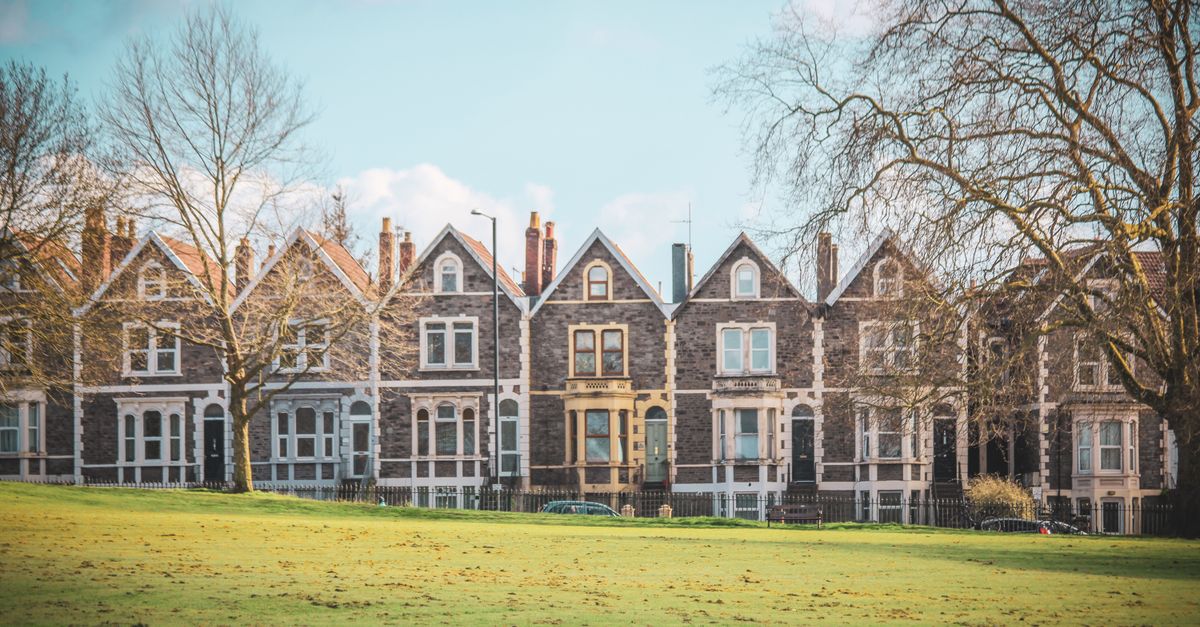
On the face of it, that all-in rent is genuinely simpler than the standard private rental experience. Tenants in Bristol's traditional private rented sector — the Victorian terraces of Easton, the converted flats of Redland and Clifton — routinely pay separate bills for broadband, utilities, and council tax on top of rent. The average total monthly housing cost for a private tenant in Bristol's BS6 and BS5 postcode areas now sits at roughly £1,700 to £1,900 per month for a one-bedroom property, once bills are factored in, according to estimates from Bristol-based lettings agency Goodman & Lilley. BTR's bundled pricing suddenly looks more competitive than headline rents suggest.
But the comparison with buying remains brutal. Someone paying £1,600 a month in rent at a BTR block over five years will hand over £96,000 with no equity accrued. A buyer who purchased a £320,000 flat in Bedminster or St George in 2021 with a 10% deposit has, on average, seen their equity position improve by around £40,000 even accounting for the mortgage interest paid, based on Land Registry price growth data for those postcode areas. The gap is wide, and BTR does nothing to close it.
The Longer Lease Question
Where BTR schemes genuinely differentiate themselves from traditional private renting is on tenancy security. Most BTR operators in Bristol now offer three-year tenancy agreements as standard, compared with the six-month and twelve-month contracts that dominate the traditional sector. The Bristol-based tenant advocacy group Acorn has consistently identified short tenancies and Section 21 'no-fault' eviction notices — still technically available to landlords in England despite years of promised reform — as the primary source of housing insecurity for city renters. Long-term BTR leases address that directly.
For renters who cannot buy and need stability — families, professionals relocating for jobs at employers such as Airbus in Filton or the NHS's Southmead Hospital — a three-year BTR contract with a professional management company offers something the private market rarely does: predictability. Annual rent increases in most Bristol BTR schemes are capped at CPI plus 1%, a ceiling that private landlords are under no obligation to observe.
Prospective tenants should scrutinise the small print before signing. Service charge structures can change after an initial fixed period, and some developments levy additional fees for parking and storage. Bristol City Council's housing advice service, based at 100 Temple Street, offers free tenancy checks and is worth a visit before committing to any long-term agreement.