Property
Bristol's House and Flat Prices Are Pulling Apart — Here's What It Means for Buyers
A widening gap between detached house values and apartment prices is reshaping who can buy what, and where, across the city.
4 min read
Updated 1 h ago
Property
A widening gap between detached house values and apartment prices is reshaping who can buy what, and where, across the city.
4 min read
Updated 1 h ago
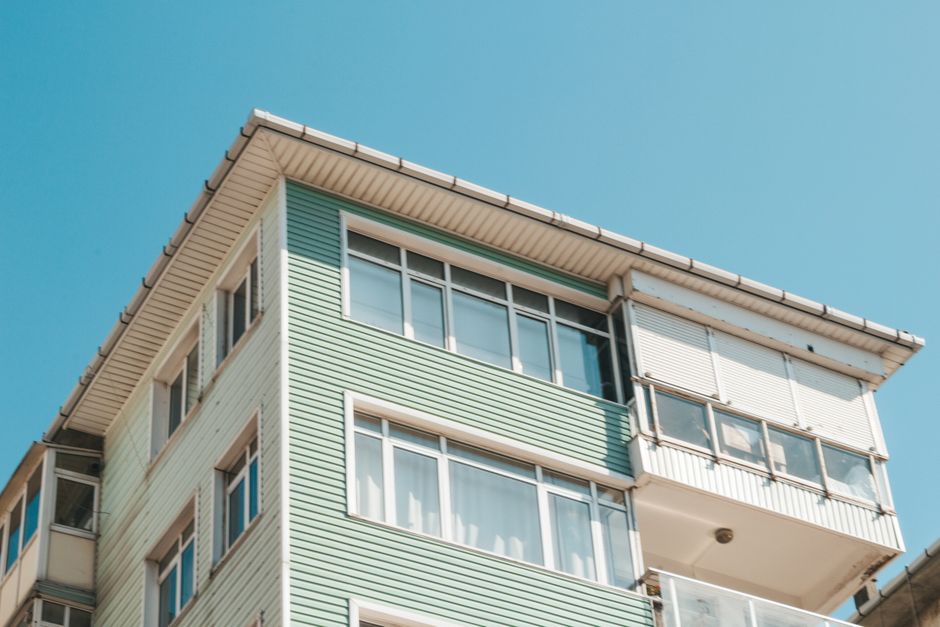
The price gap between houses and flats in Bristol has stretched to its widest point in at least five years, according to Land Registry transaction data analysed through June 2026. The average detached home in BS6 — covering Redland and Cotham — now trades at roughly £720,000, while a two-bedroom apartment in the same postcode sells for around £285,000. That divergence of more than £435,000 is not a rounding error. It is a structural shift in who the city's housing market actually serves.
The timing matters. Mortgage rates have eased slightly since the Bank of England's 25-basis-point cut in May, but affordability remains stretched for first-time buyers whose borrowing ceiling tops out well below what a terraced house in Bishopston or Montpelier now commands. Flat prices, by contrast, have stagnated since mid-2024, partly because a glut of new-build apartments — particularly along the Harbourside and in the Finzels Reach development off Temple Back — has given buyers options and leverage. Houses, meanwhile, face near-chronic undersupply in the inner ring.
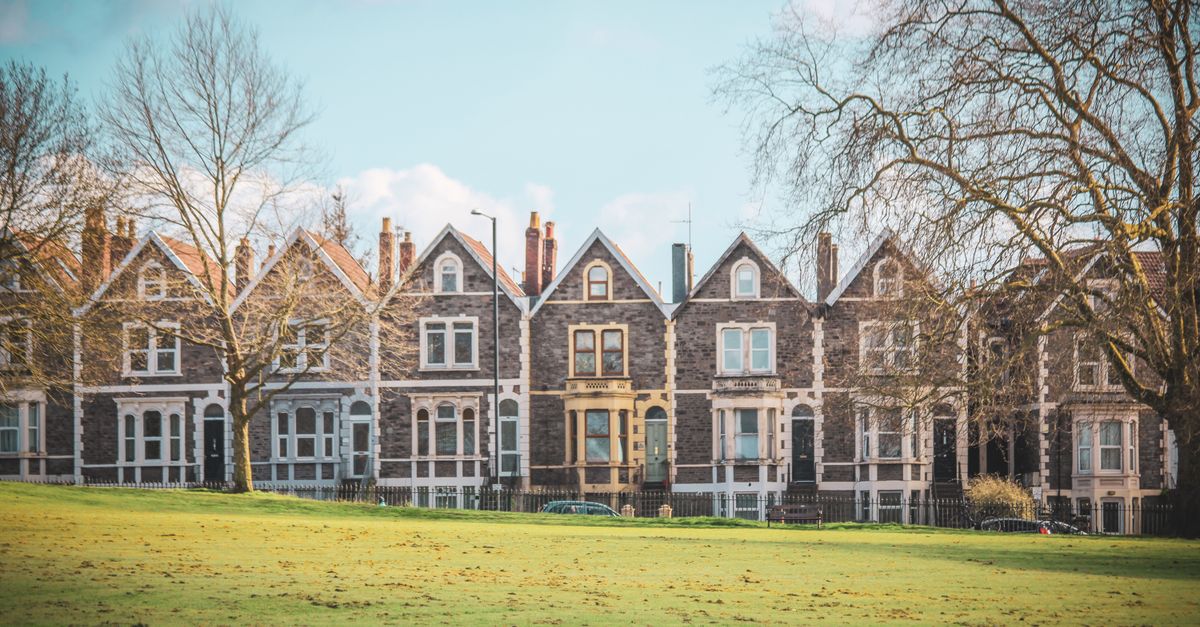
Look at Southville and Bedminster, south of the river, and the picture crystallises. Three-bedroom Victorian terraces on streets like Chessel Street and Greville Road changed hands at an average of £510,000 in the first quarter of 2026, up around 6 percent year-on-year. Comparable one- and two-bedroom flats in converted buildings along East Street and North Street held at roughly £210,000 to £230,000 — virtually unchanged from the same period in 2025. Bristol City Council's own housing needs assessment, updated in February 2026, flagged this dynamic explicitly, noting that family-sized homes in inner Bristol were absorbing demand that newer flatted developments were failing to capture.
The numbers bear scrutiny city-wide. Rightmove data for the 12 months to June 2026 shows Bristol semi-detached houses averaging £445,000, against a flat average of £238,000. That ratio — roughly 1.87 to one — compares with 1.61 to one in June 2021. In practical terms, a buyer who stretched to purchase a two-bed flat in Stokes Croft in 2021 for £210,000 has seen their asset grow by perhaps four percent in nominal terms. A neighbour who bought a terrace on Picton Street at £380,000 the same year is sitting on something closer to £490,000 today.
For owner-occupiers, the divergence creates a dilemma. First-time buyers who can only access a flat are not building equity at the same pace as those who manage to get onto the house ladder directly — and the equity gap compounds with every passing year. Organisations like Sofa, a Bristol-based housing co-operative that supports shared ownership schemes in BS3 and BS4, have reported a spike in enquiries from buyers specifically asking about shared ownership of houses rather than flats, a shift in preference that their advisers say has accelerated since January 2026.
For landlords and investors, the calculus is different but hardly straightforward. Gross rental yields on Bristol flats have crept up — partly because prices have softened while rents have not — and a two-bed apartment near Temple Meads currently lets for around £1,450 per month, implying a gross yield of about 6.5 percent at current prices. Houses offer lower yields but stronger capital appreciation. Neither strategy is without risk, especially given the Renters' Rights Act provisions taking fuller effect later this year.
Buyers who can stretch should think hard about streets in Easton and St George, where terraced houses still trade below £400,000 and remain closer to flat prices than anywhere else in the inner city. Those committed to apartments would do well to interrogate service charges carefully on new-build blocks — at Finzels Reach and Wapping Wharf alike, annual charges have risen sharply since 2023 and are now eating into the yield advantage. The gap between houses and flats tells you something important about Bristol's market right now. What you do with that information depends almost entirely on how long you plan to stay.
About this article
Published by The Daily Bristol
Spread the word
Daily brief
Free, in your inbox before 7am. Weekdays.