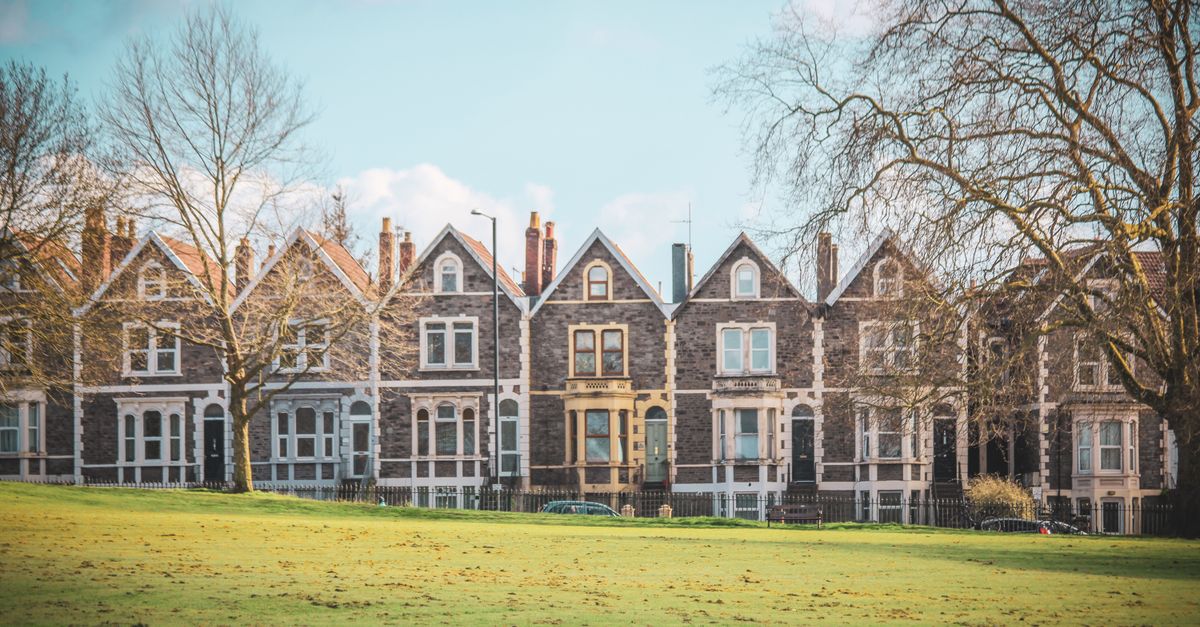
Bristol renters are now paying an average of £1,685 per month for a two-bedroom flat in the city centre—less than half the equivalent average in Central London, but up 16% compared with July 2025, according to new data released this week by property portal Zoopla. The same report shows that Bristol’s annual rate of rent rises has outpaced both Birmingham and Manchester, putting Bristol ahead of every other English regional city except Oxford and Cambridge for rental inflation.
Bristol Squeezed Between Regional Growth and London Pressures
The surge in Bristol rents arrives as the cost-of-living crisis continues to disrupt housing plans for first-time buyers and existing tenants alike. Mortgage payments have risen too: the average price for a terraced house in Southville now stands at £405,000, up from £362,000 just two years ago, pushing monthly repayments far beyond the average Bristol rent for many would-be buyers. For thousands in neighbourhoods like Bedminster and Bishopston, the city’s narrowing affordability gap compared with London is already having real consequences. Local agents report growing numbers of professionals relocating from London and the South East, spurred by flexible work patterns and relative value—putting further pressure on Bristol’s already competitive rental stock.
James Toogood, director at Ocean Lettings on Gloucester Road, says his Clifton branch registered a 22% jump in let agreed figures from London-based tenants in the first half of 2026. Meanwhile, UWE Bristol’s accommodation office confirmed it has received over 1,300 inquiries since May from students struggling to find affordable rooms for the September start. In spots like Redland and Stokes Croft, tenants now report having to attend crowded block viewings and make snap offers well above the asking price, a pattern more commonly seen in London a few years ago.
Where Bristol Stands on the Numbers
While Greater London’s average two-bed flat now demands £3,505 a month, Bristol’s figure—though steep by historical standards—looks more forgiving in comparison. But the cost gap is shrinking. In 2018, a Bristol-London rental commute premium was 100%; it’s dipped to just 52% at the midpoint of 2026. Manchester's city centre, by contrast, posted a £1,180 average monthly rent for a two-bed in June, up only 7% year-on-year. Birmingham sits even lower at £1,045. Meanwhile, Bristol’s house price-to-earnings ratio stands at 10.1, higher than both Manchester (8.6) and Leeds (7.9), but some way below London's 15.7.
For buyers, the prospect is hardly easier. Halifax data shows that the typical Bristol mortgage now requires a 24% higher deposit than in 2021, and starter homes in Lawrence Hill or Upper Knowle routinely exceed £320,000. The city council’s own Future Homes Bristol initiative, launched to deliver 1,000 discounted homes by 2028, has struggled to make a significant dent: only 144 first-time buyer units were completed last financial year, council records reveal.
What Next For Bristol Renters and Would-Be Buyers?
Agents expect Bristol’s rental squeeze to persist through 2027, especially as incoming students and remote workers keep demand high. The council has pledged another round of partnership acquisitions in Easton and Filwood, aiming to fast-track the delivery of 400 new affordable units by next summer, but the timing could be tight. Renters advised to act early and extend contracts where possible, while buyers are increasingly turning towards the council's shared ownership schemes in Lockleaze and Fishponds. For many, however, the choice between renting in Bristol and buying a property still comes down mostly to savings and access to family support. Any improvement in affordability, housing experts say, will likely hinge on national mortgage policy and sustained build rates—not regional quirks alone.