Bristol's average house price hit £382,000 in May 2026, according to figures published last month by the Land Registry, closing in on the record £391,000 peak recorded in the third quarter of 2022. That recovery has been faster than most agents predicted eighteen months ago, and it is prompting an uncomfortable question for buyers: are we heading back into boom territory?
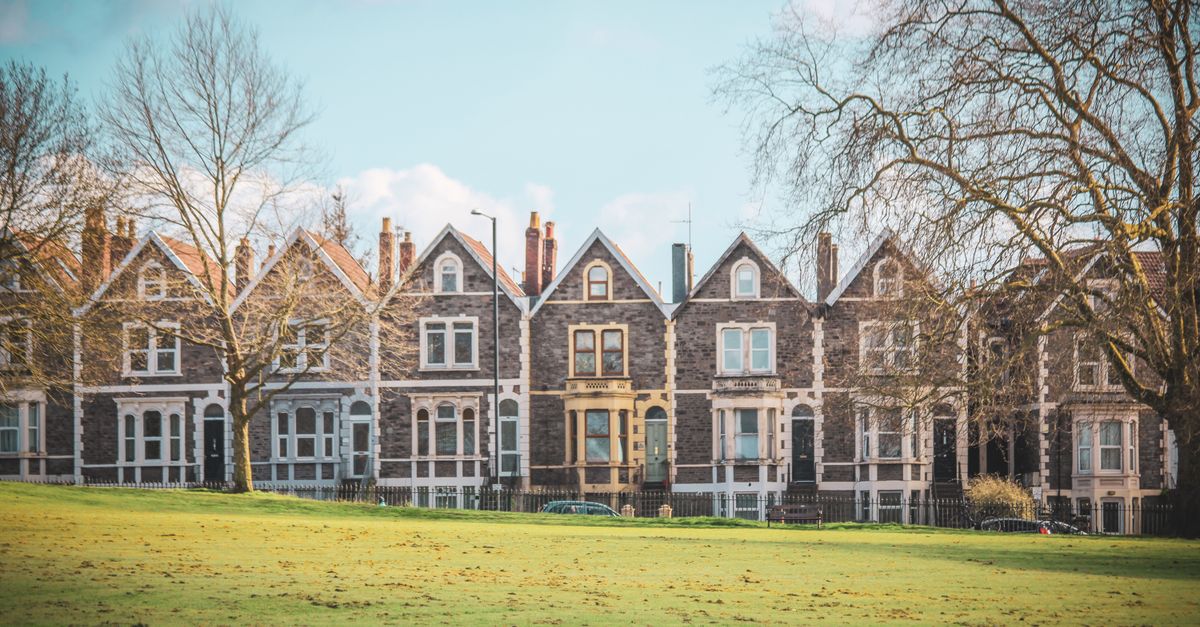
The comparison matters because Bristol was among the most overheated markets outside London during 2021. Stamp duty relief, mass homeworking and a sudden craving for outdoor space pushed terraced houses in Bishopston above £600,000 and triggered sealed-bid wars on semis in Horfield and Filton that sellers hadn't seen since before the 2008 financial crisis. The city's estate agents processed offers 15 to 20 per cent above asking price as standard. That cycle ended badly for buyers who stretched hard — and the memory of it shapes how every serious participant now reads the current run-up.
What's Driving Prices This Time
The mechanics in 2026 are different. The Bank of England base rate sits at 4.0 per cent after four cuts since August 2025, down from its 5.25 per cent plateau but still comfortably above the historic lows that turbocharged 2021 borrowing. Mortgage approvals are rising, but not at the fever pitch of the pandemic era. The pressure in Bristol right now is almost entirely a supply problem. Rightmove data for June 2026 shows available stock in the BS6 and BS7 postcodes — covering Redland, Cotham and Bishopston — running roughly 30 per cent below the five-year average for this time of year.
Developers haven't helped. The Hengrove Park regeneration scheme, which Bristol City Council has been shepherding since 2019, is still delivering fewer units per year than originally projected, while the Temple Quarter mixed-use development near Temple Meads station remains in its infrastructure phase with residential completions not expected at scale until 2028. Planning approval rates across Bristol fell to 61 per cent in 2025, the lowest in a decade, according to council figures. That combination of restricted new supply and growing buyer demand — particularly from young professionals priced out of London — is doing most of the heavy lifting.
Clifton and Clifton Down, perennially Bristol's most coveted addresses, are seeing average asking prices for three-bedroom Victorian terraces above £750,000, a figure that would have seemed extraordinary even at the 2021 peak. Southville and Bedminster, which gentrified rapidly during the pandemic years as buyers sought value south of the river, are now holding gains rather than extending them. The Bristol Property Live platform, which aggregates local agent listings, showed median time-to-offer in Bedminster at 34 days in June, compared to just 11 days in June 2021.
Should Buyers Recognise the Warning Signs?
The honest answer is that this market has warning signs, but not the same ones. In 2021 the danger was overpaying in a rate environment that could only go one direction: up. Today's risk is different. Affordability is genuinely stretched — Bristol's house-price-to-earnings ratio stands at 9.4, against a national average closer to 8.1 — but the speculative frenzy that characterised 2021 is largely absent. Buyers are negotiating. Chains are collapsing again at the rate-lock stage when lenders reprice mid-offer, something almost unheard of four years ago.
For anyone active in the market right now, the practical read is straightforward. Properties priced realistically in Easton, St Werburghs and St Andrews are selling. Vendors who held out for 2022 valuations are sitting on stale listings. The West of England Combined Authority's First Homes scheme, which offers a 30 per cent discount on new-build purchases to local key workers, has had a modest but measurable dampening effect on entry-level competition in outer suburbs such as Patchway and Emersons Green.
Bristol's market in July 2026 is firm, tightening and locally driven. It is not 2021. But given how quickly conditions shifted last time, anyone waiting for a significant correction before buying should probably have a plan for what happens if they are still waiting in 2027.