Property
Options Narrow for Bristol Renters as Leases End Amid Tight Market
As short-term lets and rising prices squeeze supply, renters face difficult choices—here’s what they can do.
3 min read
Property
As short-term lets and rising prices squeeze supply, renters face difficult choices—here’s what they can do.
3 min read

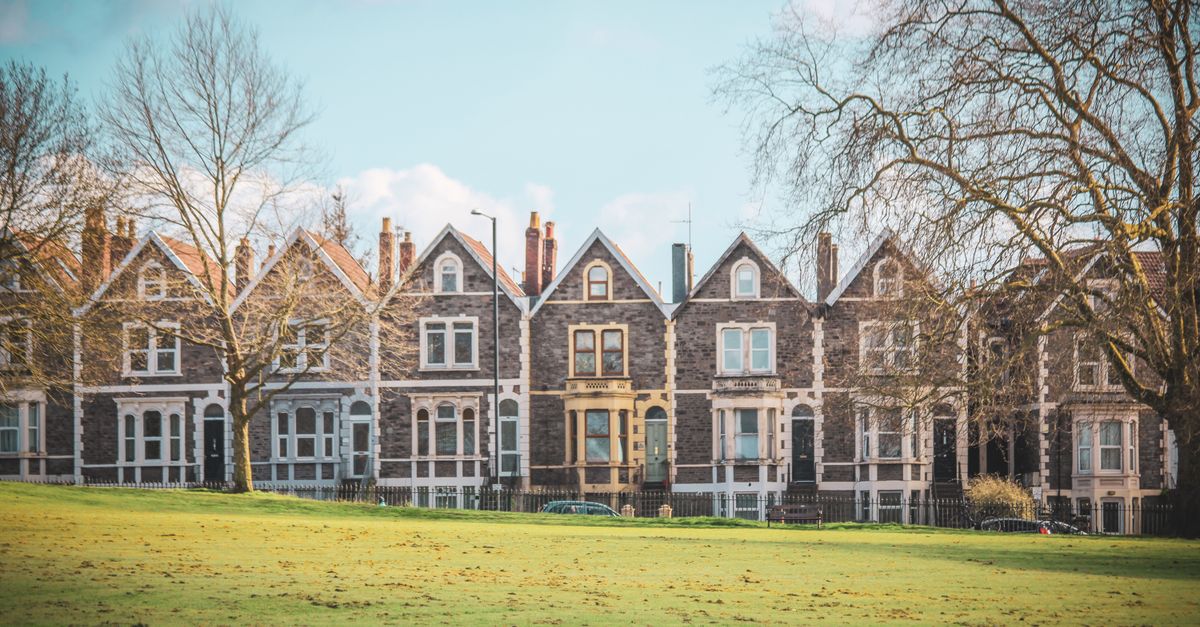
Hundreds of Bristol tenants are facing tough decisions this July as fixed-term leases begin expiring in one of the city’s most competitive rental markets in a decade. For many, finding a new flat or house before September looks increasingly challenging, with supply tightening further since last year.
Rental listings across Bristol have dropped by nearly 18% this quarter, according to figures from property site Home.co.uk. The city’s strong jobs market, influx of students and ongoing conversion of long-term rentals to lucrative short-term lets have combined to strain availability. Tenants approaching the end of their leases in July or August now risk being left with few, if any, affordable options in their preferred neighbourhoods.
Nowhere is the squeeze felt more acutely than in hotspots like Bishopston and Bedminster. At the Stokes Croft branch of Zed & Co lettings, staff report over 40 applicants per advertised property this month, and multiple would-be tenants have tried offering above asking price simply to secure viewings. Meanwhile in Southville, a typical two-bed flat on North Street now averages £1,650 a month—an increase of £200 in just twelve months, according to Spareroom’s local market tracker.
Organisations such as ACORN Bristol are fielding a spike in requests for emergency housing advice and casework. “It’s a really difficult summer,” one adviser at the Old Market office told The Daily Bristol. “We’re urging renters to know their notice rights and not to panic sign unaffordable deals.” Bristol City Council’s HomeChoice waitlist for social housing has grown to over 19,000 in June, up 12% year-on-year.
While average rents citywide have risen, wage growth for many remains stagnant. Local analyst Paragon Bank reported that Bristol renters now spend 39% of median monthly income on rent, nearly double what mortgage holders are paying in equivalent areas. For comparison, the average first-time buyer mortgage in Lawrence Hill sits at £1,160 a month—with the caveat of needing a hefty deposit and strong credit qualifications. The price gap between renting and buying is forecast to widen through at least early 2027, partly due to uncertainty in national lending rates and continued demand for centrally located properties.
The University of Bristol’s growing student population is another factor. Their newly signed agreements for the next academic year are drawing housing stock away from long-term letting, particularly near Gloucester Road and Cotham Hill.
For renters whose lease is nearly up, experts suggest a few urgent steps: First, clarify the exact notice period as stipulated in the current tenancy agreement, and contact your landlord early about renewal. Bristol City Council’s Private Housing Team (based on Temple Street) offers free advice clinics, as does Shelter’s local office on Redcliff Street, which has expanded drop-in hours. If facing a steep rent hike or an unrenewed lease, tenants can request to roll over onto a statutory periodic tenancy—which buys time while searching for alternatives. Some local agents suggest looking further afield—towards Fishponds, Brislington, or Knowle—for slightly better value and lower competition.
“Don’t assume there’ll be another property just because there always was,” the Zed & Co manager cautioned. With summer demand at a record high and Airbnbs still eating into housing stocks, Bristol renters staring down a lease expiry are urged to act quickly, adjust expectations, and reach out early for legal or financial guidance.
Property

Property
Property

Property
About this article
Published by The Daily Bristol
Spread the word
Daily brief
Free, in your inbox before 7am. Weekdays.
The Daily Network — local news across Australia