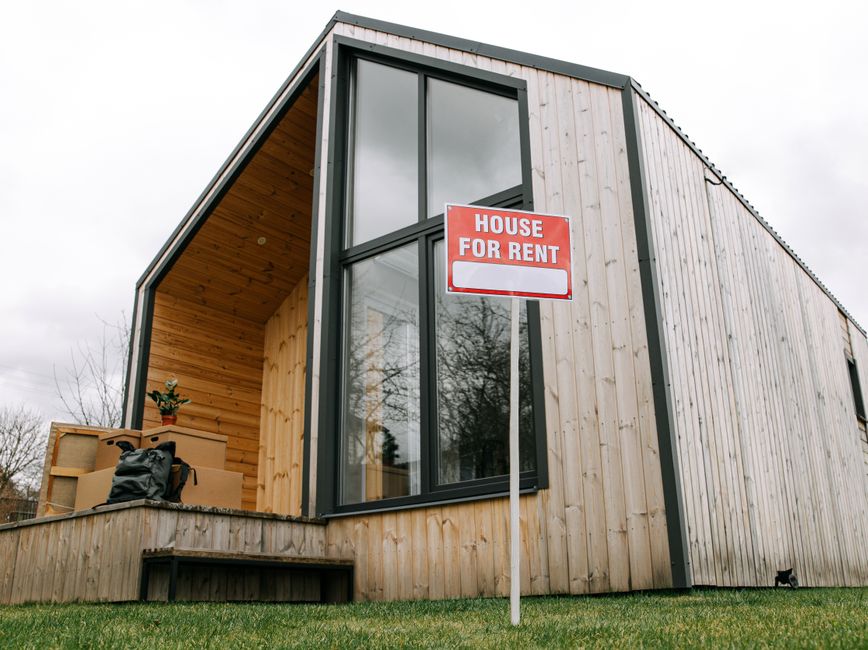
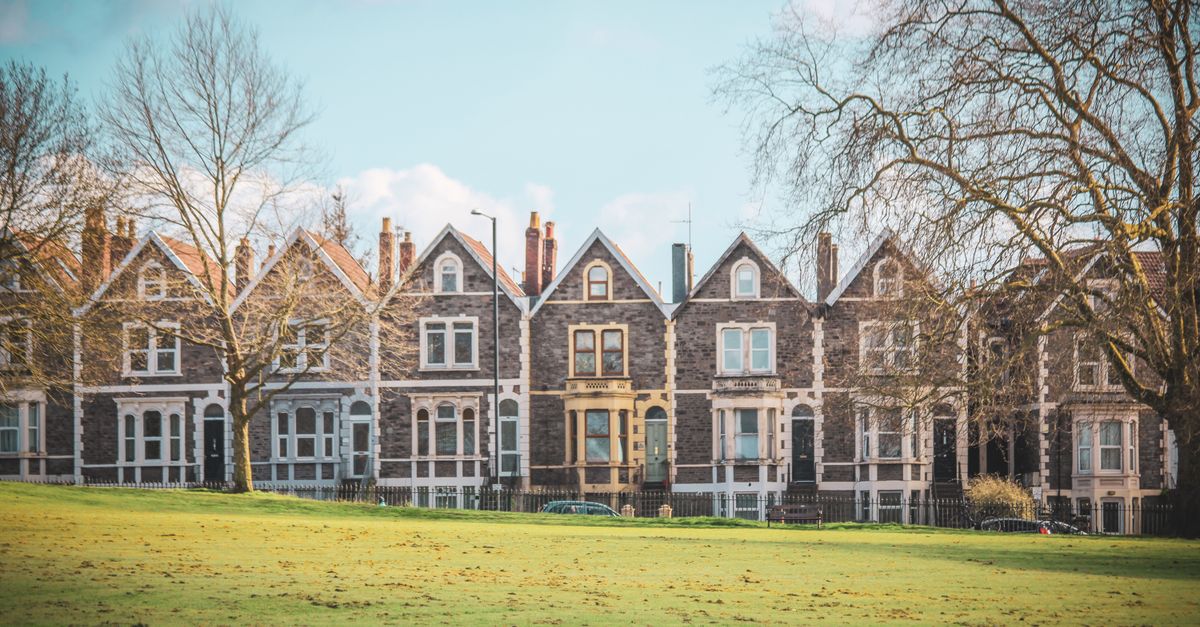
More Bristol renters are breaching the so-called '30% rule' for housing costs, with letting agents reporting over half of city tenants now spending well above a third of monthly income on rent.
The issue has taken on new urgency this summer, as listings for two-bedroom flats in hotspots like Wapping Wharf and Clifton hit £1,600 a month. With average take-home pay for full-time Bristol workers standing close to £2,300, the 30% affordability guideline—long used as a common-sense marker by housing charities—seems increasingly out of step with reality for many searching Rightmove on Bishopston's Gloucester Road.
Cracks in the 30% Rule
Citizens Advice Bristol, based on Castle Street, says the number of clients facing rent pressure is the highest since they started tracking local housing cases in 2019. "We're seeing an uptick not just in arrears, but in people simply unable to save or cover essentials once the rent goes out," one caseworker said, pointing to spikes in Montpelier and Bedminster. Just this spring, Bristol City Council rolled out new online guidance to help renters check if their rent is pushing them into what it calls 'financial danger zones'.
But for many, sticking to the 30% rule—meaning no more than 30% of gross (pre-tax) income goes to rent—feels impossible in Bristol's most popular postcodes. For example, a recent survey of tenants in Harbour Crescent found that 64% shell out 35% or more of their income on rent, a jump from 46% in 2022.
Figures supplied by HomeLet put the city-wide average monthly rent at £1,468 for new tenancies as of June 2026. While cheaper for rooms in house shares (typically £790 in Easton or Stokes Croft), solo renters face annual costs of over £18,000 if not sharing bills. Officially, a Bristol single earner would need a post-tax income of over £3,500 a month to keep rent under the 'safe' 30% ceiling for the average flat—well above the £2,250 monthly median for full-time workers in the city.
Where Next—and What Can Renters Do?
With rents continuing to outpace income, housing advisors at Shelter Bristol (based on Old Market Street) are urging tenants to set strict personal caps—even if market prices are high. "Pausing before signing a contract, doing a full budget, and considering less central neighbourhoods like Brislington or Fishponds can make a big difference," one specialist advised. Bristol City Council is also considering a trial rent registration scheme, to better track affordability and flag cases where tenants are overburdened. Proposals could be published as soon as September.
Meanwhile, experts warn that ignoring the 30% rule long term leaves little buffer for emergencies. For those stuck above it, financial support programs such as the council's Discretionary Housing Payments, and advice hubs like Talking Money on St Paul’s Ashley Road, offer some breathing space. But in the city’s toughest-to-rent neighbourhoods, the simple question for anyone searching this summer remains: how much is too much, and when does paying the rent start to cost everything else?