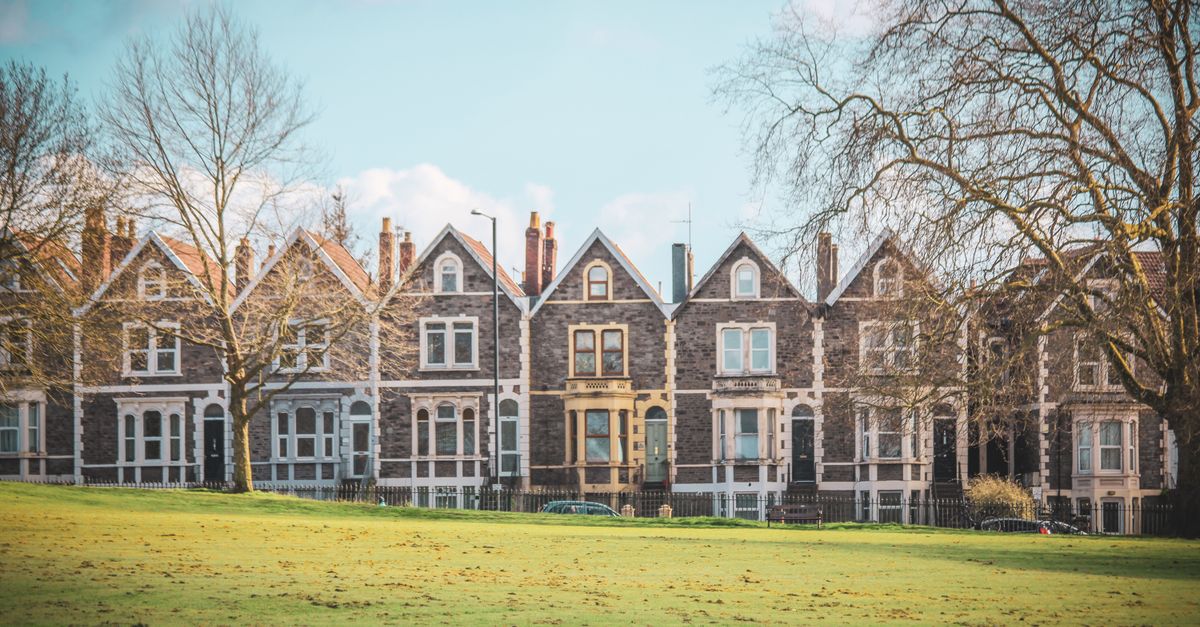
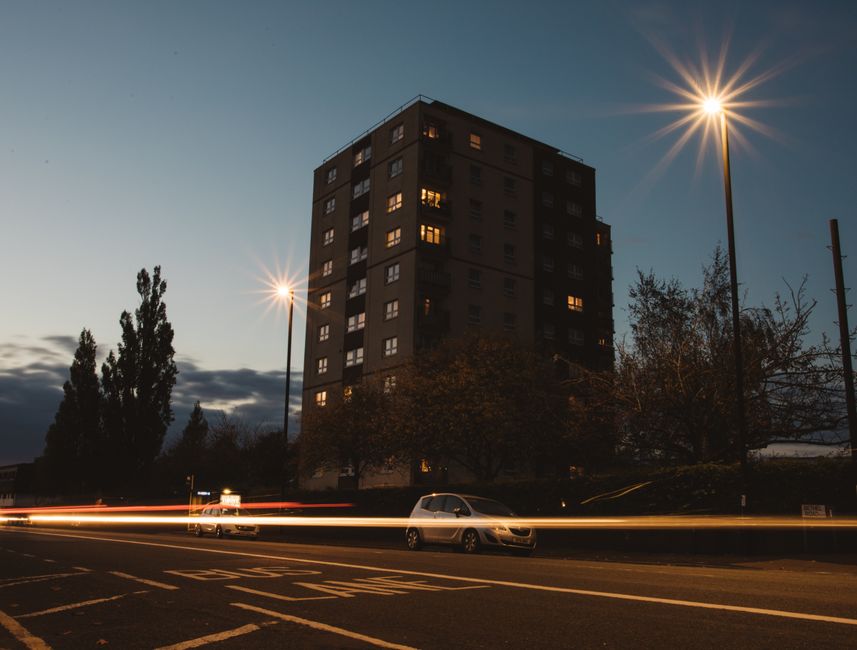
Bristol's property market has split in two. Houses — terraced, semi-detached, detached — have pushed to a fresh average of £425,000 across the city in the second quarter of 2026, according to figures compiled by Rightmove and cross-referenced with Land Registry completions data. Flats and apartments, meanwhile, have stalled at roughly £245,000, a gap of £180,000 that is the widest recorded since comparable tracking began in 2015.
That divergence is not an accident. It reflects a set of pressures that have been building since the end of the stamp duty relief window in March 2025, the continued drag of service charge inflation on leasehold values, and a persistent undersupply of family-sized homes in a city whose population crossed 490,000 last year. Understanding why the two markets are moving apart matters enormously for anyone making a transaction decision in Bristol right now.
Where the Pressure Is Sharpest
Southville and Bedminster are among the clearest illustrations of the divergence. A three-bedroom Victorian terrace on Coronation Road, BS3, changed hands for £530,000 in May 2026 — up around 9 percent on the same street's comparable sales from May 2024. Two-bedroom flats in the converted warehouse blocks along North Street, by contrast, have been sitting on the market for an average of 67 days before finding buyers, and several were relisted at reduced asking prices during June.
Clifton tells a similar story at a higher price point. The Georgian and Edwardian houses around Clifton Village have held above £700,000 for prime three-bed stock. Leasehold flats in the Clifton Down and Whiteladies Road corridor — many of them in mansion conversions with high service charges — have seen asking prices trimmed by sellers anxious to avoid the summer stagnation that hit the sector hard in 2024.
The dynamic is also visible in Stokes Croft and St Pauls, where new-build apartment schemes by developers including Dandara and Acorn Property Group have contributed to a denser supply of flats competing for a shrinking pool of buy-to-let investors. Higher mortgage rates have made yield calculations tight. A two-bedroom flat achieving £1,400 a month in rent sounds reasonable until you factor in a 75 percent loan-to-value mortgage at today's rates, at which point the numbers barely work.
What the Data Actually Shows
Bristol City Council's Strategic Housing Market Assessment, last updated in April 2026, recorded that new flat completions outpaced new house completions by a ratio of roughly 2.3 to 1 across the BS1, BS2 and BS3 postcodes over the prior 18 months. Supply matters. When more of one product enters the market than demand can absorb, prices soften — or at best plateau while inflation erodes real values.
Houses face the opposite dynamic. Bristol's green belt constraints and the slow pace of planning decisions around sites such as the Hengrove Park development in BS14 mean that the pipeline of new family homes is thin. The Homes England affordable housing programme has delivered 340 affordable units across Bristol since January 2025, but the overwhelming majority are flats and maisonettes rather than the three- and four-bedroom houses that families in Horfield, Lockleaze and Henleaze are actively competing for.
Bristol Property Live, the city's independent market analysis service, estimates that the current divergence will persist through at least the first half of 2027 unless interest rates fall far enough to reignite buy-to-let demand for flats, or until planning approvals for houses accelerate significantly. Neither looks imminent.
For buyers, the practical read is straightforward: if you are stretching to buy a flat as a first step on the ladder, you may find that the step up to a house is considerably harder in three years than you expect, because the two asset classes are now appreciating — or not appreciating — at very different rates. Anyone in a position to buy a house, even at a stretch, is acquiring the asset the market is currently rewarding. Flat owners looking to sell should price to move, not to hope.