This article was generated by AI from the linked public sources. The Daily Bristol is independently owned and covers Bristol news free from advertiser or sponsor influence. Read our editorial standards →
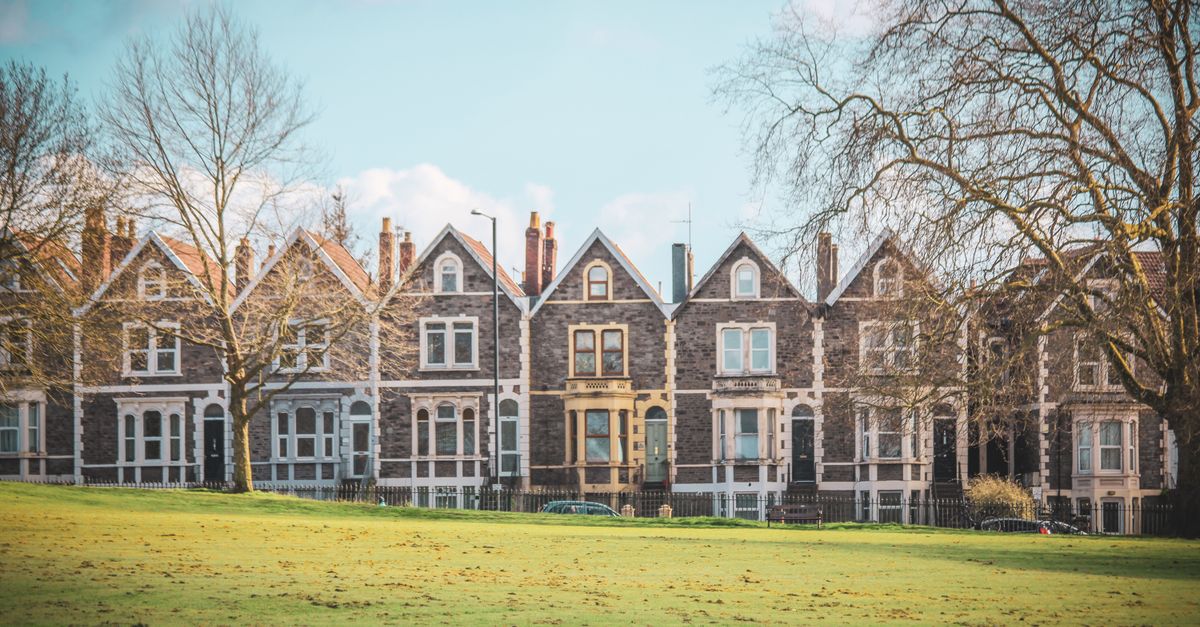
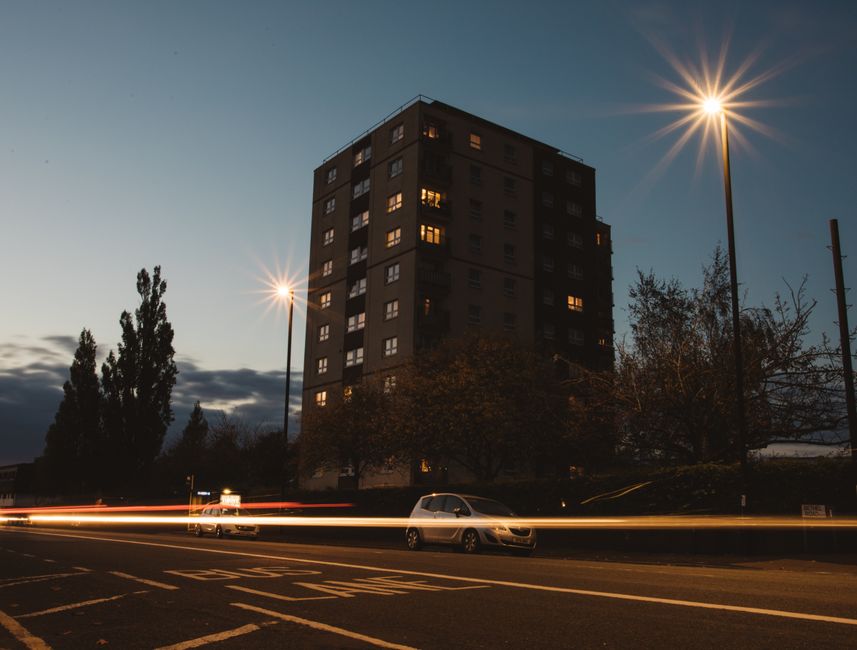
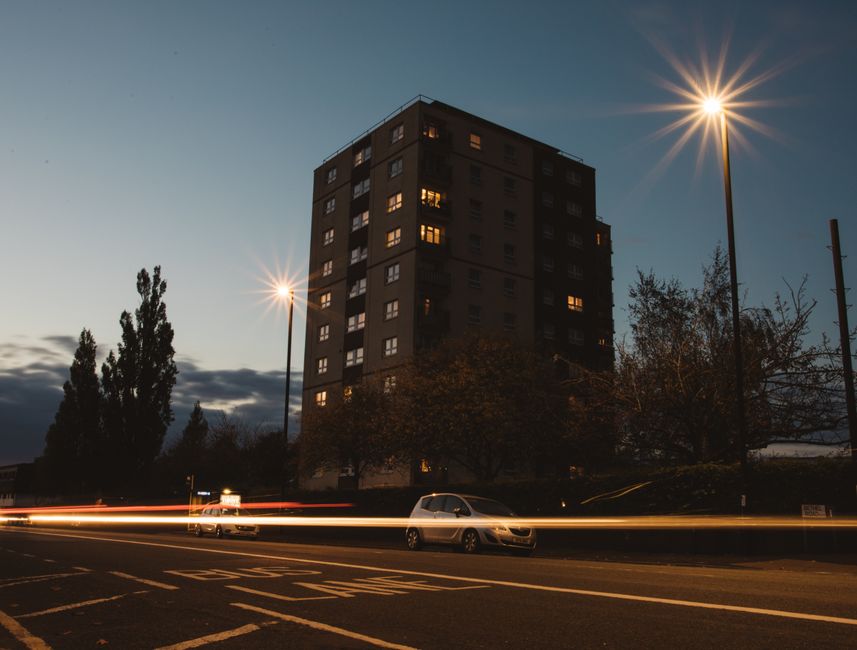
House prices in Bristol are surging ahead of flats, capping a dramatic divergence that’s reshaping the city’s property market and raising tough questions for buyers, landlords and city planners alike. Over the past twelve months, the average price for a detached or semi-detached property in areas like Redland and Westbury-on-Trym jumped 8.5%, topping £764,000, while city centre units—especially those clustered around the Harbourside and within Cabot Circus’s new residential towers—remained nearly flat, up just 0.6% to an average of £298,000.
Divergence Sharpens Amid Changing Demand
The widening gap isn’t just a numbers game; it’s a symptom and signal of shifting priorities and pressures in Bristol. With the Bank of England holding rates at a stubborn 4.75% since December, first-time buyers and investors have become ever more selective about what—and where—they buy. Larger homes with gardens and private space, especially near top schools like Redland Green School, are fiercely competed over, while a glut of city centre flats, many constructed in the last seven years during the build-to-rent boom, face less demand given stubbornly high service charges and uncertainty in the rental sector.
The shift is being felt at ground level. Estate agency Boardwalk Property Co., which recently closed a six-bedroom on Durdham Park at £1.37 million after just nine days on the market, reports a waiting list for suburban family homes, while block managers at Invicta on Millennium Promenade are quietly offering incentives to coax buyers in. Local landlord groups complain of longer vacancy periods for flats, with some city centre lets languishing for eight weeks or more—nearly double the average back in late 2024.
Numbers to Watch: Where Bristol’s Money is Moving
Latest figures from the Bristol Property Partnership show that while the city’s overall property price growth slowed to 3.1% year-on-year, the gap between houses and flats is the widest it’s been since records began in 2003. Redland and Westbury Park have seen semi-detached homes climb above £760,000 on average, with Bishopston’s three-beds regularly pushing into the £600,000s. In contrast, flats in Temple Quarter—geared at young professionals—are up less than 1% year-on-year, hamstrung by both new supply from Legal & General’s Build to Rent scheme and tightening eligibility for buy-to-let mortgages.
Housing data from the last Bristol City Council housing report, published in June, flagged both the stubborn affordability gap and early warning signs for urban flat developers: nearly 17% of newly listed units in Central Ward failed to achieve their target sale price in Q2, compared with just 4% for houses in Henleaze and Stoke Bishop. Local agents suggest that if interest rates hold through autumn, the divergence might become "structural", affecting long-term investor calculations and family mobility patterns.
For buyers weighing up a post-summer move, the advice from local estate offices is clear: expect intense competition and bidding wars for houses in established catchments, while cautious buyers and nervous landlords may find city centre flats more negotiable than ever. Those looking for longer-term growth are still eyeing houses on leafy streets from Clifton to Cotham, while anyone seeking an entry point or rental yield should expect to haggle hard in the city’s newest towers. Both buyers and sellers are being urged to act quickly, with more turbulence likely if the Bank of England signals a rate change later this year.
Covering property in Bristol. This article was generated by AI from the linked sources and was not reviewed by a human editor before publishing. See our editorial standards.