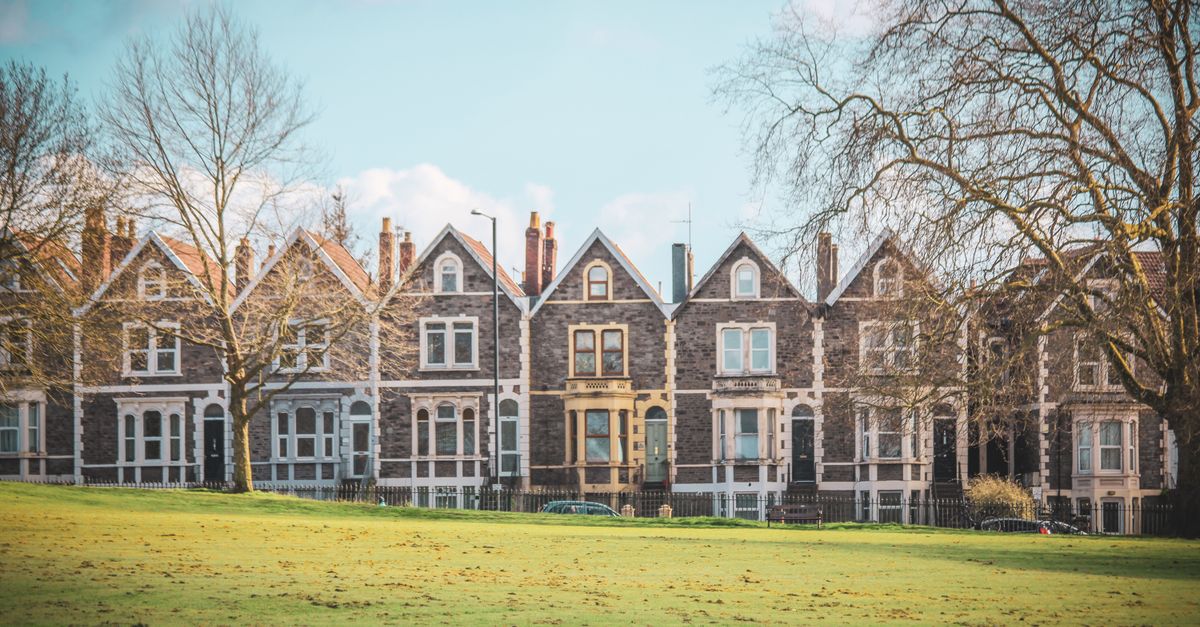
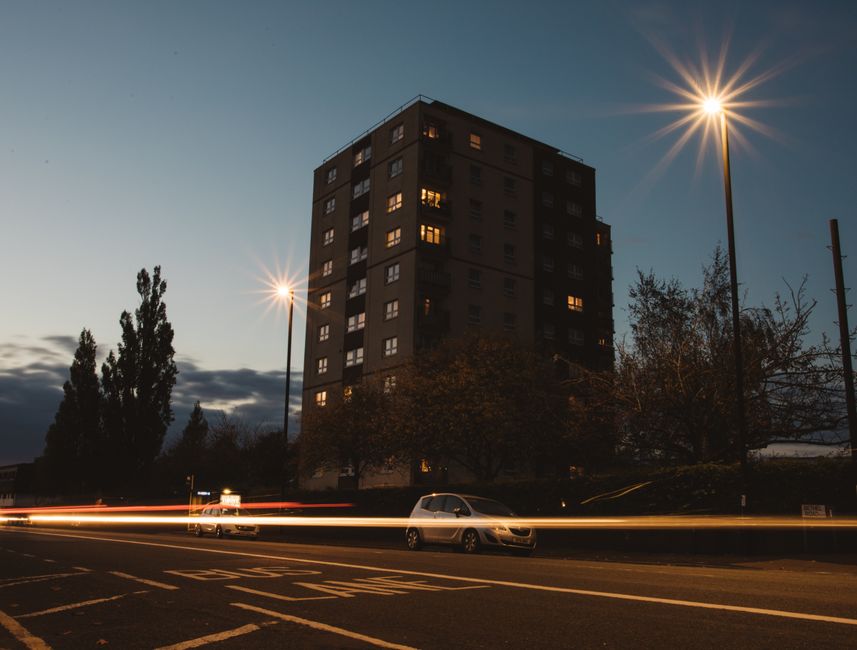
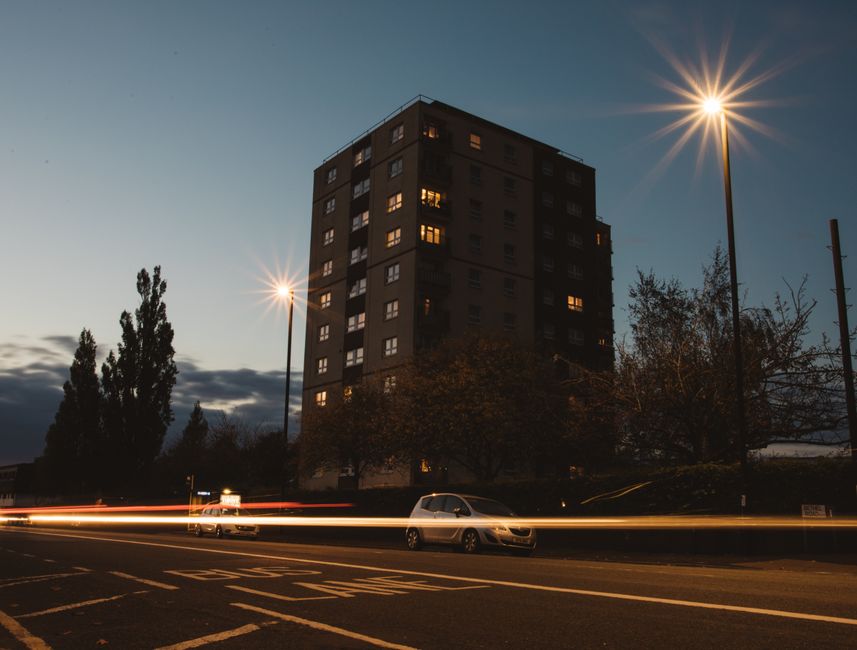
The average price of a house in Bristol has surpassed £340,000, while units are selling for around £230,000, according to recent data from the Bristol Property Agents Association.
This price divergence matters now because it reflects a broader trend in the UK's property market, where the demand for housing is outpacing supply, particularly in urban areas like Bristol. The city's dynamic real estate market is being driven by a combination of factors, including its thriving tech industry, cultural attractions like the Watershed and the Arnolfini, and its proximity to London. As a result, buyers are facing increased competition and rising prices, making it essential to understand the underlying drivers of this trend.
In Bristol, neighbourhoods like Clifton, Cotham, and Redland are experiencing significant price growth, with houses on streets like Whiteladies Road and Pembroke Road selling for upwards of £500,000. In contrast, units in areas like Harbourside and Spike Island are attracting buyers with more affordable price tags, around £200,000 to £300,000. Organisations like the Bristol Housing Partnership and the University of Bristol's Centre for Market Research are working to address the city's housing needs, but the price gap between houses and units remains a pressing concern.
According to data from the UK Land Registry, the average price of a house in Bristol has increased by 12% over the past year, from £303,000 in June 2025 to £340,000 in June 2026. In contrast, unit prices have risen by just 6% over the same period, from £217,000 to £230,000. This disparity is even more pronounced in certain areas, such as the BS8 postcode, where house prices have jumped by 18% in the past 12 months, while unit prices have increased by just 4%.
What's Behind the Divergence?
So, what's driving this price gap between houses and units in Bristol? One key factor is the city's planning policies, which have prioritised the development of new housing units in recent years. Initiatives like the Bristol Local Plan and the Western Harbour regeneration project have led to an influx of new units on the market, putting downward pressure on prices. At the same time, the supply of houses, particularly family-sized homes, has not kept pace with demand, leading to rising prices in this sector.
For buyers and sellers, understanding this price divergence is crucial in navigating Bristol's property market. With prices likely to continue rising in the coming months, it's essential to work with experienced agents and to carefully consider the trade-offs between different types of properties. As the city's housing market continues to evolve, one thing is clear: the gap between house and unit prices will be a key trend to watch in the months ahead.