BRISTOL – Home sellers in Bristol are being forced to accept significant discounts as properties are taking longer to sell than at any point in the last two years. The city’s once-feverish property market has cooled considerably, with the average time to secure a buyer stretching to 55 days, a stark increase from the 32-day average recorded in the same period of 2025.
This slowdown is granting buyers newfound negotiating power in a market long defined by bidding wars and sealed bids. The shift marks a definitive end to the post-pandemic boom, where low interest rates and a race for space sent prices soaring. Now, with mortgage costs stabilised at a higher plateau following the Bank of England’s rate hikes through 2024, buyer affordability is constrained and market sentiment has turned cautious.
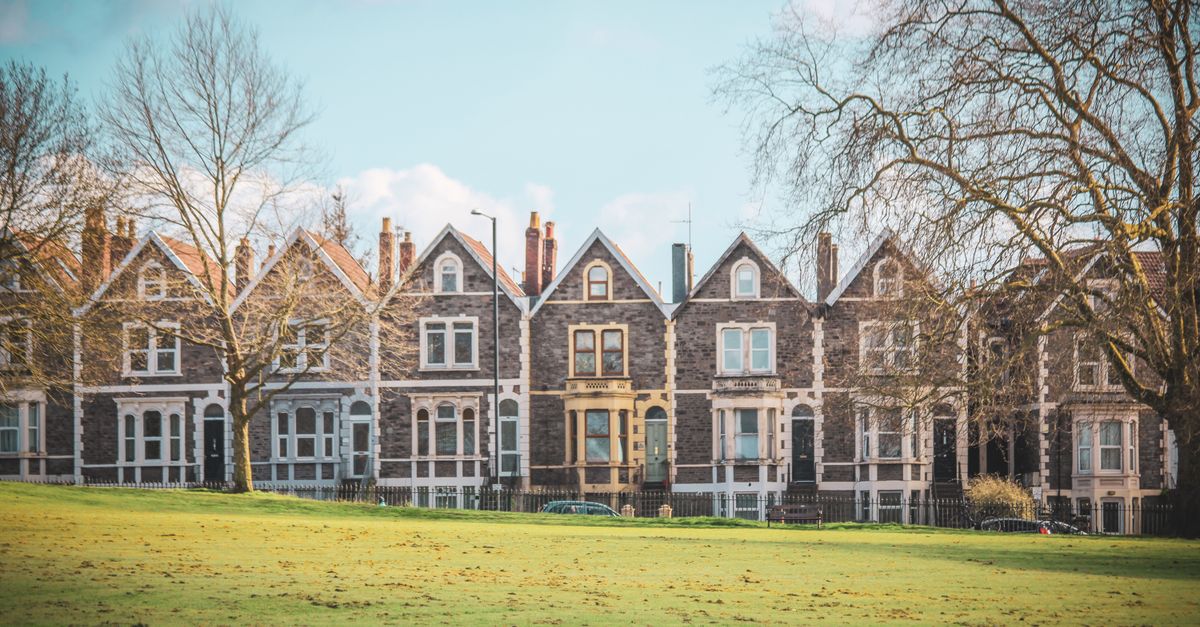
The trend is visible across the city, affecting even the most sought-after postcodes. A four-bedroom Victorian semi in Bishopston, which might have attracted offers over the asking price within its first weekend on the market in 2024, is now more likely to sit for a month or more. Estate agents are advising clients to price more realistically from the outset. Data analysed from property portals shows that listings in areas from Clifton Down to Totterdown are seeing a higher proportion of price reductions after their initial marketing push.
According to market analysis for the second quarter of 2026, the average discount agreed from the final asking price has reached 4.8%. On a property marketed at the city’s average price of £385,000, that translates to a price cut of more than £18,400 – a substantial sum that is making the difference for buyers struggling with affordability checks.
A Buyer's Market Emerges
The changing dynamic is rebalancing the scales between buyer and seller. The pressure to make a snap decision on a property after a single 15-minute viewing has largely evaporated. Buyers now have the time to conduct second viewings, commission thorough surveys, and consider their options without the fear of being immediately outbid. This more measured pace is a return to a pre-2020 market normality that many younger buyers have never experienced.
Flats, particularly those without private outdoor space or located in high-density developments around Temple Quay, are facing the strongest headwinds. The market for two-bedroom apartments has become particularly saturated, with analysis showing they account for a disproportionate number of listings that have been on the market for over 90 days. In contrast, well-presented family homes with gardens in good school catchments, while not immune to the slowdown, continue to attract more consistent interest.
Navigating the New Climate
The message from property professionals to prospective sellers is clear: the key to a successful sale in the current climate is realistic pricing. Gone are the days of listing a property on Coronation Road in Southville and expecting a dozen offers above the guide price. An initial asking price that is too ambitious is now the quickest route to a stale listing that potential buyers overlook.
For those looking to buy, the advice is to be prepared but patient. With more stock to choose from and less competition, there is scope for negotiation. Securing a mortgage agreement in principle remains a critical first step to being seen as a credible buyer. However, the days of foregoing negotiations for fear of losing out are, for now at least, a thing of the past. The market hasn't crashed, but it has fundamentally changed, demanding a new strategy from all involved.