Bristol's average house price crossed £380,000 in June 2026, according to figures compiled by the Land Registry and tracked locally by Clifton-based estate agency Goodman & Co. That number matters because it places the city roughly 11 percent above its pre-pandemic 2019 baseline — but still measurably below the frenzied peak of late 2021, when the average briefly touched £395,000 before cooling sharply through 2023.
The comparison to 2021 is not merely academic. Buyers who stretched themselves during the stamp duty holiday rush — many paying £30,000 to £50,000 over asking price on streets such as Chandos Road in Redland or Wellington Avenue in Totterdown — are now watching a market that looks superficially similar but operates on entirely different fuel. Back then, 0.1 percent base rates and government stimulus drove demand. Today, the Bank of England base rate sits at 3.75 percent, and mortgage products from lenders including Bristol-based West One Finance are reflecting that reality with two-year fixed rates hovering around 4.4 percent.
What the Neighbourhoods Are Telling Us
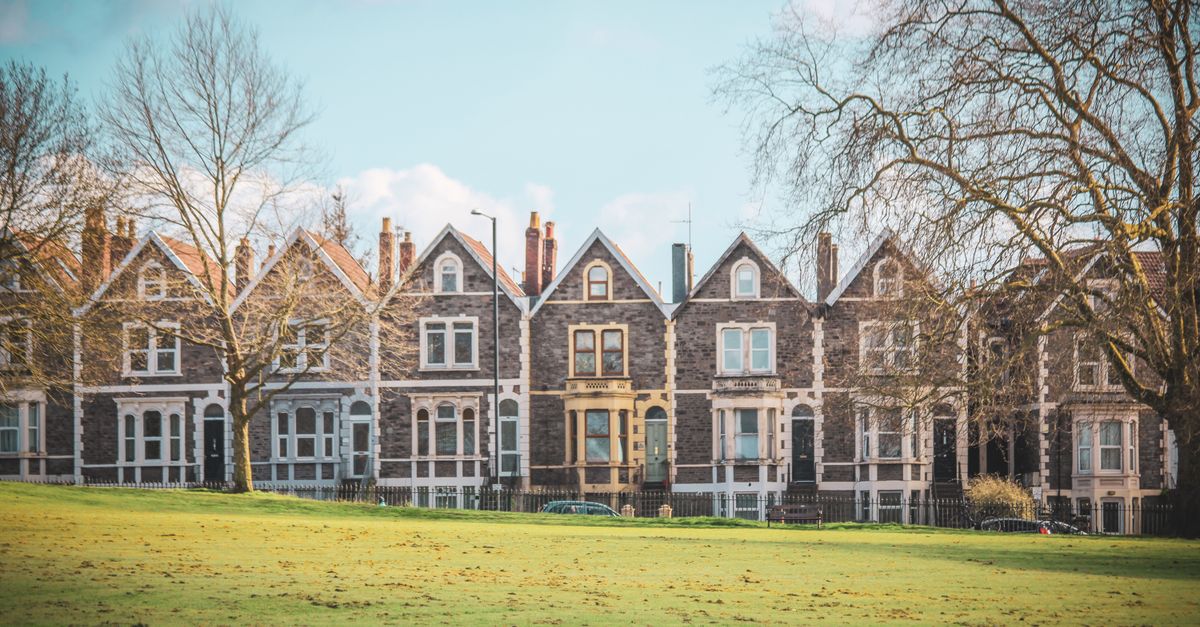
The granular picture across Bristol's postcodes tells a more complicated story than any single headline figure. Southville and Bedminster, which saw some of the most dramatic price acceleration in 2021 as buyers priced out of Clifton and Redland flooded south across the river, have given back roughly six percent of their peak values. A three-bedroom Victorian terrace on Cotswold Road that sold for £515,000 in October 2021 is now realistically priced at £485,000 to £490,000. Sellers who bought at the top are feeling it.
Stokes Croft and the St Pauls corridor are a different matter. Values here lagged the 2021 boom — buyers were more cautious, lenders sometimes skittish about certain property types — and as a result the correction was shallower. Agents at Move & Co on Gloucester Road report that one- and two-bedroom flats near the Hamilton House cultural hub are selling within ten days of listing, a pace not seen consistently since mid-2022.
The BS8 postcode, covering Clifton and Hotwells, remains the city's most stubborn market. Family homes above £700,000 are sitting slightly longer — an average of 47 days on Rightmove before agreeing a sale, up from 28 days in the equivalent period of 2021. But they are selling. The key difference now is that buyers are negotiating; in 2021 they were simply outbidding each other.
Why This Moment Feels Familiar But Isn't
The surface-level similarity to 2021 — rising prices, competitive offers in certain pockets, a general sense of momentum — is misleading if you look only at the headlines. The 2021 boom was driven by a single extraordinary policy intervention: Rishi Sunak's stamp duty holiday, which saved buyers up to £15,000 and created a deadline-driven stampede. The current uptick has no such artificial accelerant. Instead it reflects a gradual improvement in mortgage affordability as rates have fallen from their 2023 peak of 5.5 percent, combined with Bristol's chronic undersupply of housing stock. The city council's Local Plan 2040, still working through its examination process at Bristol City Hall, targets 33,500 new homes by 2040 — a number many housing economists regard as ambitious given planning constraints around the green belt and flood risk zones near the River Avon.
First-time buyers using the government's updated Mortgage Guarantee Scheme, relaunched in January 2026 with a raised property cap of £500,000, are visible in the sub-£350,000 bracket in areas like Horfield and Lockleaze. That segment is active and relatively swift. The real vulnerability in the market is in the £500,000 to £750,000 chain-dependent middle, where any wobble in mortgage rates could stall momentum fast.
Anyone buying or selling in Bristol this autumn should price with precision. The city is not in a boom. But it is not in retreat either. Vendors who anchor expectations to what their neighbour achieved in September 2021 will sit on the market and watch the summer pass. Those who price to the June 2026 evidence will move.