wellness
Sit Down, Breathe, Begin: A Beginner's Guide to Starting a Meditation Practice in Bristol
You don't need a retreat in the Himalayas or a £200 app subscription, Bristol has everything a first-timer needs to build a genuine meditation habit.
How we reported this
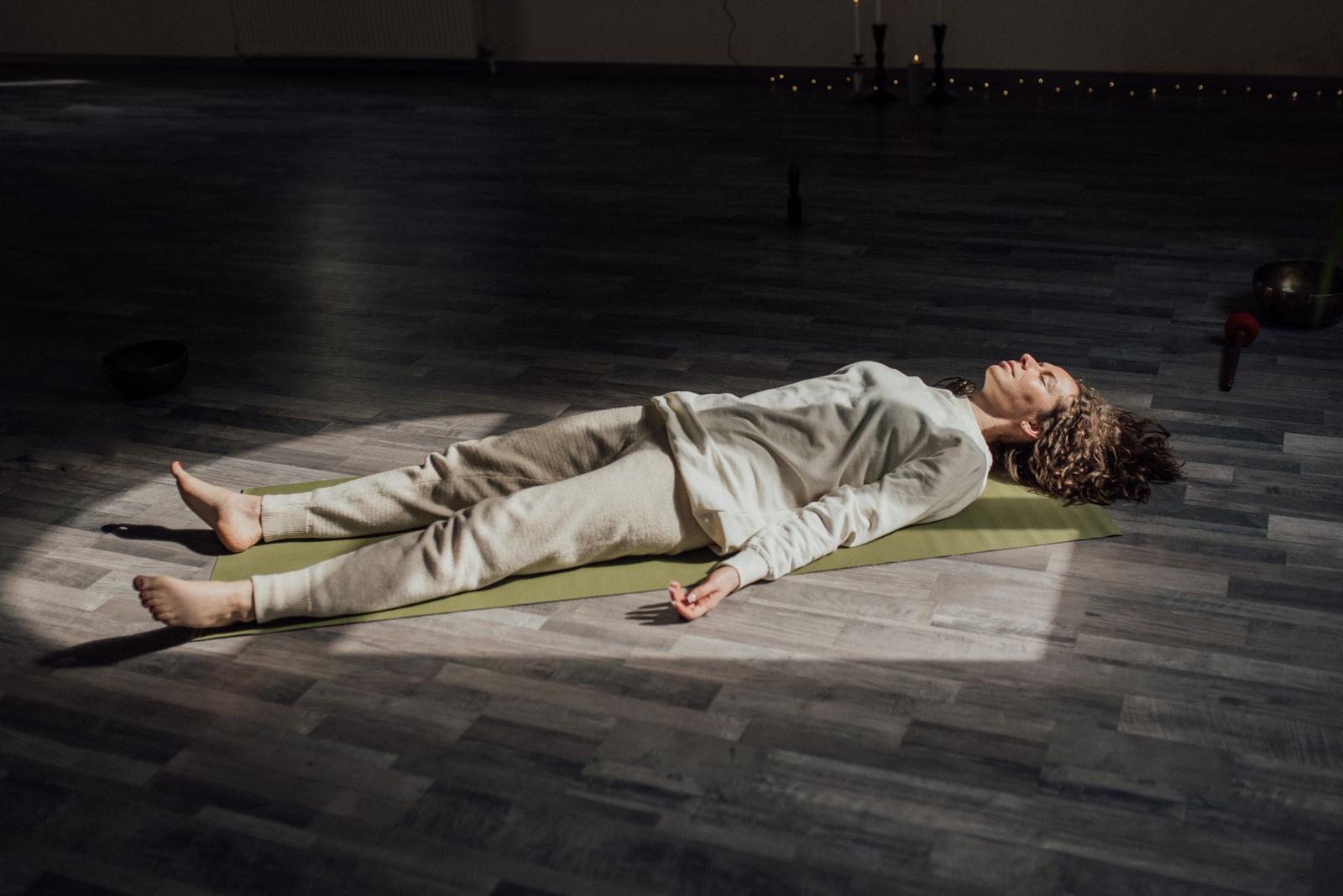
More Bristolians are sitting still on purpose. Demand for beginner meditation classes across the city rose sharply through the first half of 2026, with several community centres and studios reporting waiting lists for introductory courses for the first time. Against a backdrop of rising financial anxiety, housing uncertainty, and a relentless news cycle, the appeal of doing absolutely nothing, consciously, has never been more obvious.
The timing makes sense. Stress-related GP appointments account for roughly one in five consultations at Bristol's primary care surgeries, according to figures from NHS Bristol, North Somerset and South Gloucestershire Integrated Care Board. Meanwhile, a growing body of clinical research, including a 2024 meta-analysis published in JAMA Internal Medicine covering more than 3,500 participants, found that mindfulness-based programmes produced moderate but consistent reductions in anxiety, depression, and chronic pain. None of that requires you to burn incense or subscribe to anything.
Where to Actually Start in Bristol
The city's wellness infrastructure is unusually strong for a place of 480,000 people. Triratna Buddhist Centre on Gloucester Road has run drop-in meditation evenings every Tuesday since 2019, and its eight-week Foundation Course, covering breath awareness, body scan, and loving-kindness practices, costs £80 in full, with a low-income rate of £40. No prior experience required. The Clifton practice is different in tone: more secular, less ceremonial, easier for sceptics to walk into.
Bristol Mindfulness Centre, based near Stokes Croft, runs an NHS-affiliated eight-week Mindfulness-Based Stress Reduction course, the MBSR programme originally developed by Jon Kabat-Zinn at the University of Massachusetts in 1979. The course costs £295 privately, though GP referrals can access it at reduced or no cost, worth asking your surgery directly. Sessions run on Wednesday evenings from 6.30pm, with the next cohort beginning 14 July 2026.
For those who prefer to start alone at home, the Insight Timer app remains genuinely free for its core library of guided meditations, including a well-regarded beginner programme by teacher Joseph Goldstein. Ten minutes a day is enough to start. The science does not support the idea that longer sessions produce proportionally better outcomes for newcomers, consistency matters far more than duration in the first three months.
What to Expect When You Sit Down
The first thing most beginners notice is how loud their own mind is. This is not a sign that meditation is failing. It is, instructors consistently explain, the actual practice, noticing that the mind has wandered and returning attention to the breath, over and over. A single 10-minute session might involve the mind drifting 50 times. That is 50 repetitions of the core skill.
Posture matters less than popular imagery suggests. Sitting upright in a chair with feet flat on the floor works perfectly well. The spine should be long but not rigid. Hands rest in the lap. Eyes can be closed or softly open, directed downward at a 45-degree angle toward the floor. A cushion from Harbourside outdoor market, a folded blanket, or a dining chair, all fine.
Those who want community without commitment might try the free mindfulness sit hosted by Grow Bristol CIC in St Werburghs on alternate Saturday mornings, running since March 2025 alongside their community garden programme. It is informal, lasts 30 minutes, and usually draws between eight and fifteen people. Tea afterwards.
One practical note before you begin: meditation is not a substitute for professional mental health support. Anyone managing active depression, trauma, or a diagnosed anxiety disorder should speak to a GP or qualified therapist before starting an intensive programme, some practices can surface difficult material unexpectedly. Bristol Mind on King Street offers a free 20-minute telephone consultation to help people identify the right starting point.
Start small. Tuesday evening on Gloucester Road, or 10 minutes on your phone before work. The hardest part, consistently, is the moment before you begin.