wellness
Hydration in Bristol's climate: how much to drink and what actually works
With Bristol's notoriously damp winters giving way to increasingly warm, humid summers, getting your fluid intake right matters more than most locals realise.
Listen in English · 5 min
How we reported this
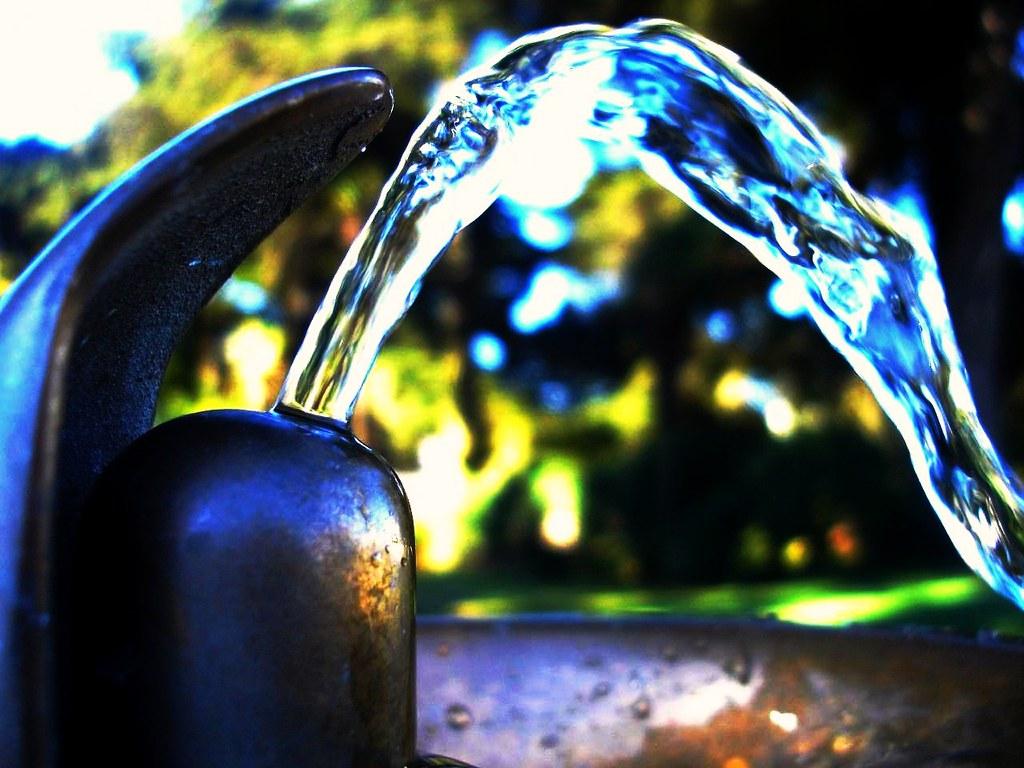
Bristol recorded its hottest June day in seven years last month, with temperatures at Clifton Down touching 29°C on 19 June. That single statistic is prompting nutritionists and community health workers across the city to push harder on a message they say Bristol residents routinely ignore: most people here are chronically underhydrated, and the region's unpredictable climate makes working out your daily fluid needs genuinely difficult.
The timing matters. July in the Avon Valley tends to bring humidity rather than straightforward heat, the kind of muggy, overcast warmth that suppresses the thirst reflex even as the body sweats steadily. You don't feel parched, so you don't drink. Meanwhile, the Bristol City Council's Active Bristol programme, which coordinates health behaviour initiatives across the city's 34 neighbourhoods, has flagged hydration as a priority focus for summer 2026 precisely because heat-related GP presentations have climbed roughly 18 percent year-on-year since 2023.
What the science actually says, and what Bristol's climate changes about it
The NHS baseline recommendation remains 6 to 8 cups of fluid per day, equating to roughly 1.5 to 2 litres. But that figure was built for moderate activity in temperate conditions. Spend two hours cycling the Bristol and Bath Railway Path on a humid July afternoon and you can lose well over a litre through sweat alone without feeling especially hot. Sports science researchers at the University of the West of England, whose Frenchay Campus runs an applied health sciences department, have been examining sweat-rate variability in recreational athletes since 2024. Their working guidance, not yet peer-reviewed, suggests adding 500ml per hour of moderate outdoor activity for adults in the South West's summer conditions.
Plain water remains the most effective hydration source for most people under normal conditions. The case for expensive electrolyte drinks is largely overstated for anyone not exercising continuously for more than 90 minutes. A 500ml bottle of a branded electrolyte drink at Cotham Hill's independent health store Good Chemistry currently costs between £2.20 and £3.50, fine as an occasional supplement, but an unnecessary daily expense when a pinch of salt and a squeeze of lemon in tap water delivers comparable mineral top-up for pennies. Bristol's tap water, supplied by Bristol Water from the Chew Valley Lake reservoir system, is soft by UK standards, meaning it carries low mineral content, another reason a small amount of dietary sodium matters if you're sweating heavily.
Herbal teas count toward daily fluid intake and carry none of the diuretic load people associate with caffeine. The research consensus has shifted on coffee: a moderate intake of two to three cups per day produces no net fluid loss in habituated drinkers, according to a 2021 review in the European Journal of Sport Science. What does dehydrate faster than most people expect is alcohol, each unit of beer or wine prompts roughly 100ml of additional urine output. Given the density of pub and bar culture along Whiteladies Road and around Stokes Croft, that is worth holding in mind through the summer months.
Practical steps for Bristol's summer routines
Colour-checking urine remains the most reliable self-monitoring tool available without clinical equipment. Pale straw yellow indicates adequate hydration; dark amber or brown signals significant deficit and warrants prompt fluid intake. The Wellspring Healthy Living Centre on Beauley Road in Southville offers free drop-in wellbeing appointments on Wednesday mornings, where community health workers can provide personalised fluid guidance and run basic checks. The centre has recently expanded its summer health sessions after uptake rose 35 percent between May and June this year.
Fruit and vegetables also contribute meaningfully to daily fluid totals. Cucumber, watermelon, and strawberries, all available cheaply at St Nicholas Market's Wednesday and Friday produce stalls in the city centre, are between 90 and 97 percent water by weight. Eating a large mixed salad at lunch adds roughly 300ml to daily fluid intake without touching a glass.
The practical rule for Bristol's summer: drink before you feel thirsty, carry a reusable bottle on any journey longer than 30 minutes, and treat alcohol as a deduction from rather than an addition to your daily fluid count. For anyone managing a health condition, checking specific targets with a GP or registered dietitian at a practice such as Whiteladies Medical Group on Lower Clifton Hill remains the most reliable starting point.