wellness
Bristol's Best Fermented Foods Boost Gut Health Naturally
From Stokes Croft to Clifton Village, Bristol's fermented food scene is thriving, and your microbiome might thank you for exploring it.
How we reported this
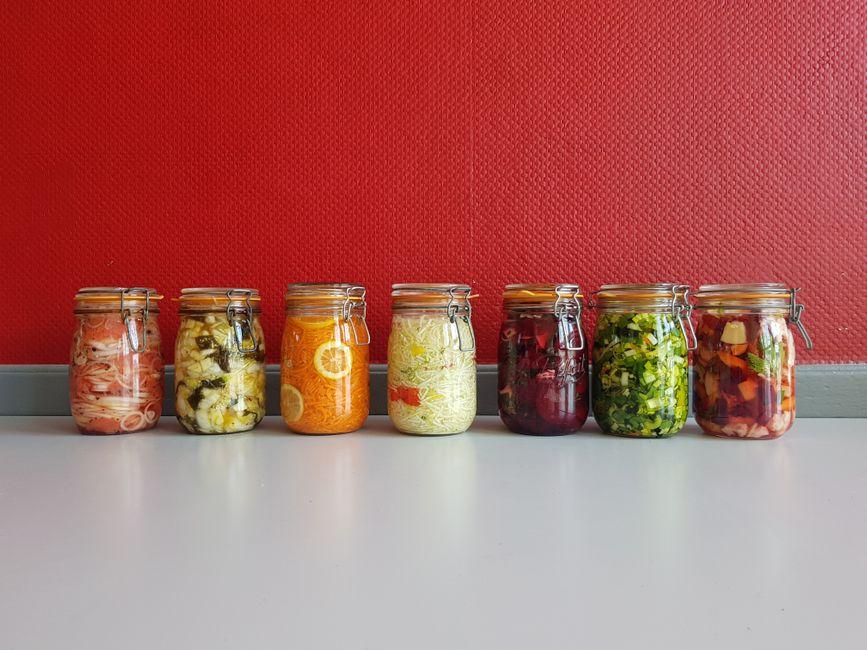
Interest in gut health has surged across the UK this year, and Bristol's food producers and independent retailers are quietly ahead of the curve. Demand for traditionally fermented foods, kefir, kimchi, kombucha, sauerkraut, miso, has risen sharply at independent shops across the city since early 2026, with several BS1 and BS6 traders reporting that fermented lines now outsell conventional condiments on weekend markets.
The timing matters. A growing body of research published in journals including Nature Microbiology links microbiome diversity to reduced inflammation, better sleep quality and improved mood, concerns that resonate at a moment when many people are reassessing what they eat and why. Hormonal health, in particular, has moved into mainstream conversation in 2026, and nutritionists increasingly point to gut function as a foundational piece of that puzzle. You don't need a clinic appointment to start: the science is clear that adding even one daily portion of a live-cultured food can shift the microbial balance in the gut within two to three weeks.
Where to find the good stuff in Bristol
St Nicholas Market, tucked into Corn Street in the heart of the city centre, remains the best single destination for fermented food in Bristol. Stalls there stock raw, unpasteurised sauerkraut made in small batches in the Easton area, alongside water kefir in reusable glass bottles. Prices run from around £4.50 for a 350g jar of kraut to £3.20 for a 330ml kefir. Crucially, these are live products, the kind that still contain active bacterial cultures, unlike the heat-treated versions that line supermarket shelves and offer little microbiome benefit.
On the other side of the city, Better Food Company, which operates a shop on Perry Road near Stokes Croft, has stocked an expanded fermented range since March 2026. Their chilled section now carries Hackney-based producer Eaten Alive's kimchi alongside locally sourced kombucha from a Bedminster micro-brewery that launched its first 500ml bottles at £3.80 each in January. Staff there can usually advise on which products are raw versus pasteurised, an important distinction that most shoppers miss entirely.
For those prepared to make their own, the Bristol Fermentation School runs monthly workshops out of a community kitchen in Easton. A full-day session covering kombucha, water kefir and lacto-fermented vegetables costs £65 per person and includes a SCOBY starter culture to take home. Places have sold out two months running, which says something about appetite in the city for hands-on food education.
What the evidence actually says
A landmark 2021 Stanford University study, still the most cited trial in this space, found that adults who ate a high-fermented-food diet for ten weeks increased their microbiome diversity by a measurable margin and showed lower markers of immune activation than a control group on a high-fibre diet alone. The sample was 36 adults, so it isn't definitive, but follow-up studies have broadly reinforced the finding. UK nutritionist bodies including the British Dietetic Association now include fermented foods in general healthy-eating guidance, though they stop short of specific daily quotas.
The practical implication is straightforward: diversity matters more than volume. Rotating between different fermented foods, say, yoghurt on Monday, kimchi on Wednesday, a small glass of kefir on Friday, exposes the gut to a wider variety of bacterial strains than eating the same product daily. Cost need not be a barrier; a 500g tub of live natural yoghurt from most Bristol supermarkets runs under £1.50 and qualifies as a fermented food provided it carries an active cultures label.
The next step is simply to start. Visit St Nicholas Market any Thursday or Saturday, pick up one live product, and introduce it gradually, a tablespoon of sauerkraut alongside lunch is enough. If you have existing digestive conditions, speak to a GP or registered dietitian at your local Bristol practice before making significant dietary changes. The Bristol Fermentation School posts its autumn 2026 workshop schedule on its website at the end of July. Spots are expected to go fast.