wellness
Bristol Sleep Experts Reveal 5 Room Changes That Add Hours Rest Weekly
From blackout blinds to bedroom temperature, Bristol sleep specialists say small, specific changes to your room can add hours of quality rest each week.
Listen in English · 5 min
How we reported this
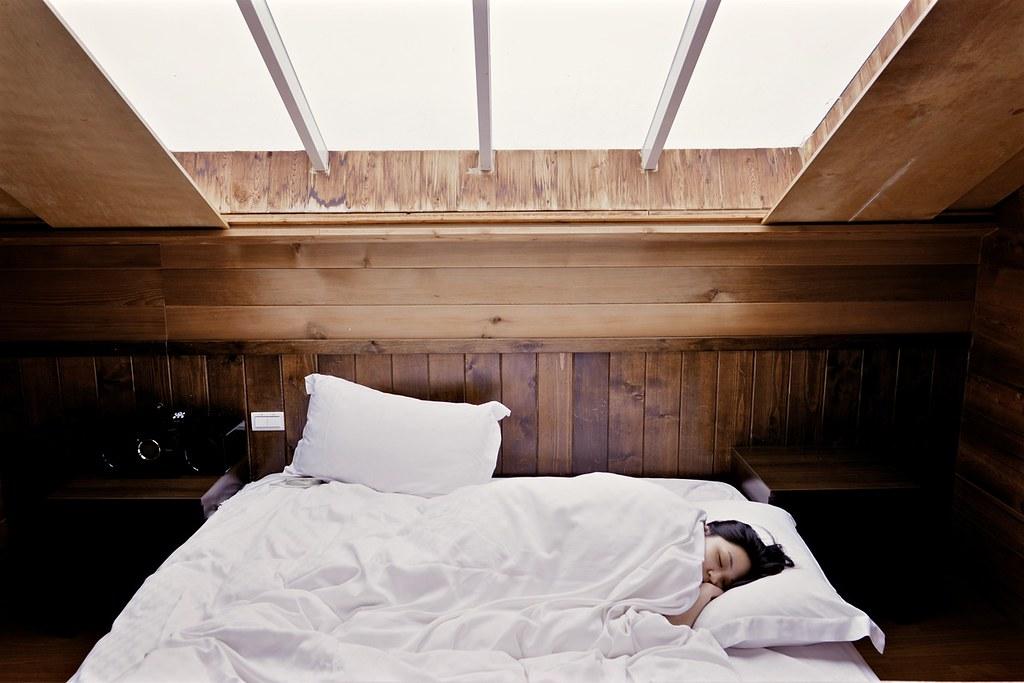
Most Bristol adults are getting less than seven hours of sleep a night. That single fact, drawn from NHS Sleep Service data published in spring 2026, sits at the centre of a growing conversation among wellness practitioners across the city about what is actually going wrong, and what can be fixed before anyone reaches for melatonin or a prescription pad.
The answer, increasingly, is the room itself. Sleep researchers have spent the better part of two decades establishing that the physical environment, light levels, temperature, noise, clutter, even the materials on the bed, shapes sleep architecture more reliably than supplements or apps. With interest in hormone therapies and sleep aids spiking across the UK this summer, local experts are pushing a simpler, cheaper message: start with the bedroom checklist.
What Bristol's Wellness Community Is Recommending
The Bristol Sleep and Wellbeing Clinic, based on Whiteladies Road in Clifton, has been running a six-week environment audit programme since January 2026. Participants track 14 variables in their bedroom, everything from mattress age to the colour temperature of their bedside lamp, against a sleep diary. The clinic reports that around 70 percent of participants see measurable improvement in sleep onset time within three weeks, without changing any other behaviour.
The checklist starts with light. Bristol's summer light, particularly in north-facing Victorian terraces across Redland and Cotham, can stretch to 9.30pm in early July, flooding bedrooms that lack adequate window covering. Blackout lining fitted to existing curtains costs between £15 and £40 from retailers including Stokes Croft's independent homewares suppliers, and specialists say it is consistently among the highest-return single investments a poor sleeper can make.
Temperature is the second factor. The Sleep Council recommends a bedroom temperature of 16 to 18 degrees Celsius for most adults. In Bristol's older housing stock, the city has one of the highest concentrations of pre-1919 homes in England, rooms frequently retain heat through thick stone walls or lose it through uninsulated sash windows. A basic digital thermometer, available at Boots on Broadmead for around £8, gives sleepers their first accurate read of what they are actually working with.
Noise is trickier. Residents near the A4 Portway, on streets running off Stokes Croft, or within earshot of the M32 corridor report traffic noise as a consistent disruptor. The charity Bristol Noise Action Group, which works alongside Bristol City Council's environmental health team, received more than 340 complaints about nighttime noise in the 2025-26 financial year. Acoustic-grade window sealing, different from standard draught-proofing, runs to roughly £120 per window but can reduce external sound by up to 15 decibels, a reduction that sleep researchers describe as clinically significant.
The Details Most People Skip
Beyond the headline trio of light, temperature and noise, the checklist gets more granular. Bedding materials matter: natural fibres regulate body temperature more effectively than polyester blends, and the difference in skin temperature across a night can reach three degrees Celsius. Clutter, specifically the presence of work materials or screens within the sightline of the bed, activates what psychologists call wake-state associations, the brain links the space with alertness rather than rest.
Phone placement is the item practitioners say generates the most resistance. A 2025 University of the West of England study of 280 Bristol participants found that 68 percent kept their phone within arm's reach of the bed, and that this group reported 22 fewer minutes of deep sleep per night compared with those who charged devices outside the bedroom. Twenty-two minutes a night is roughly two and a half hours across a working week.
The practicalities are not expensive. Running through the full 14-point environment checklist, light, temperature, noise, bedding, clutter, device placement, scent, mattress condition, pillow support, room ventilation, alarm positioning, evening light exposure, colour and wall surface, and pet or partner disruption, costs nothing beyond an hour and a clear eye. The Bristol Sleep and Wellbeing Clinic publishes a free downloadable version of its audit sheet at its Whiteladies Road premises and through Southmead Hospital's community health partnership pages.
Anyone experiencing persistent sleep difficulties lasting more than three weeks, or who suspects an underlying condition such as sleep apnoea, should speak to their GP or contact an NHS-registered sleep clinic before working through any self-directed checklist.