Bristol City Council confirmed in June 2026 that at least 34 state primary and secondary schools across the city are now running some form of structured mindfulness or meditation program during the school day. That figure, drawn from a council wellbeing audit circulated to head teachers last month, represents a near-doubling since 2022, when just 18 schools reported similar provision.
The timing matters. Rates of anxiety and low mood among young people in Bristol — as elsewhere in England — have not recovered to pre-pandemic levels. NHS Talking Therapies referral data for the Bristol, North Somerset and South Gloucestershire Integrated Care Board showed that under-18 referrals in 2025-26 ran roughly 22 percent above the 2018-19 baseline. Schools and parents are looking for tools that can sit inside the school day rather than on a waiting list that can stretch to 14 weeks.
What's actually running in Bristol classrooms
The most established local player is the Bristol-based charity The Mindfulness Initiative South West, which has delivered its eight-week Mindfulness in Schools Project (MiSP) curriculum, known as .b (pronounced "dot-be"), to secondary pupils across Bishopston, Horfield and Knowle since 2019. The programme costs schools approximately £1,200 per trained teacher per academic year and covers ten 45-minute lessons covering breath awareness, body scans and what the curriculum calls "befriending" difficult emotions. Redland High School on Redland Court Road and Cotham School on Cotham Road have both run .b cycles for Year 9 students in the 2025-26 academic year.
For younger children, a separate strand called Paws b — designed for seven-to-eleven-year-olds — has been taken up by several primary schools in the Lawrence Hill and Easton areas, including St Anne's Church of England Primary in St Anne's Park. Paws b is a six-session block, lighter in structure than .b, and uses animal characters to introduce concepts like noticing thoughts and slow breathing. Teachers say it slots naturally into PSHE time.
Separately, the St Pauls-based youth organisation Khulisa, which primarily works on early intervention for at-risk adolescents, began piloting a trauma-informed mindfulness strand in the spring 2026 term at two Easton secondary sites. That pilot is being evaluated by the University of Bristol's School of Education, with provisional findings expected by December 2026.
Does any of this actually work?
The evidence base is more nuanced than enthusiasts sometimes admit. A 2023 meta-analysis published in the journal JAMA Pediatrics reviewed 33 school-based mindfulness trials and found modest but statistically significant reductions in self-reported anxiety among adolescents after at least six weeks of practice. Effect sizes were small to medium — meaning mindfulness is no silver bullet, but it isn't theatre either. Crucially, the review found delivery quality mattered enormously: teacher training and consistent session frequency drove outcomes far more than the specific curriculum used.
That has implications for Bristol. The council's audit flagged that while 34 schools are running some kind of program, standards vary sharply. Around a third of those schools are relying on teachers who completed only a one-day introductory workshop rather than the full 160-hour MiSP teacher training course. Heads at two Southville schools contacted for this article said budget constraints made the fuller training difficult to justify in a year when foundation subject budgets had already been cut.
For parents wanting to understand what their child's school is actually offering, the most practical step is to ask the school's PSHE lead or wellbeing coordinator specifically which curriculum is being used, how many sessions it runs, and whether the delivering teacher holds a full MiSP or equivalent accreditation. Schools using the .b or Paws b curricula can be verified on the Mindfulness in Schools Project's national register at mindfulnessinschools.org.
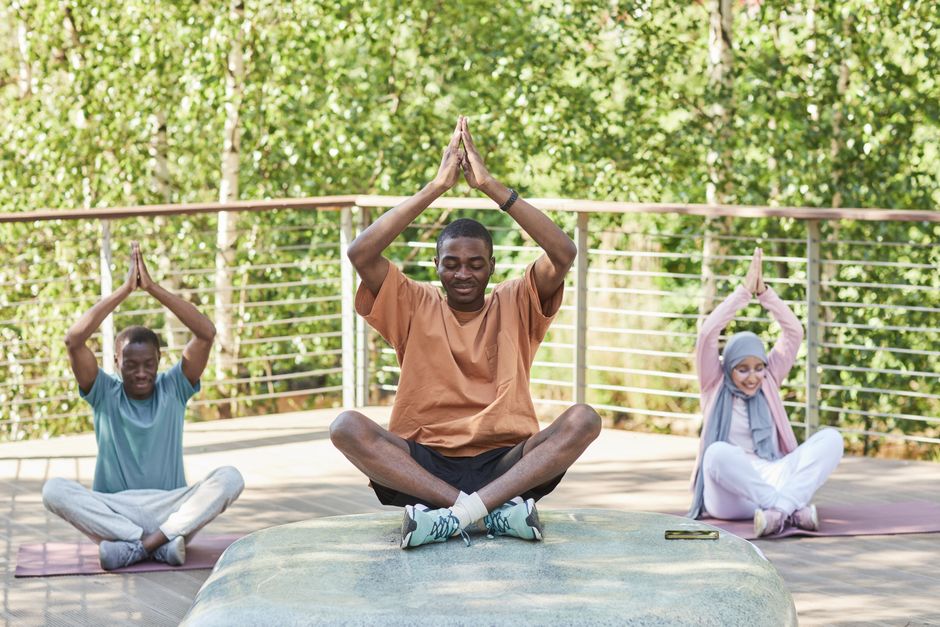
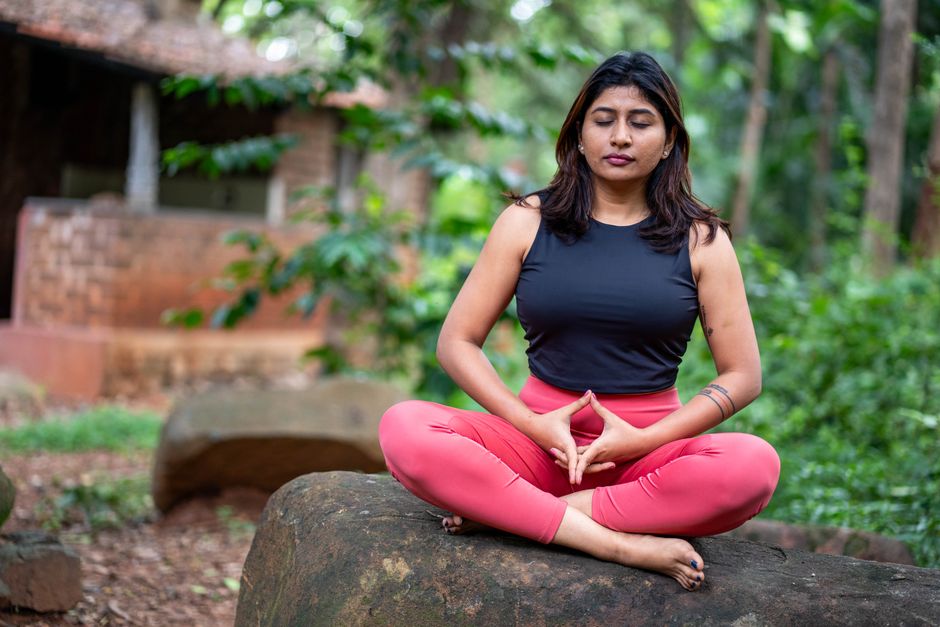
The University of Bristol's Khulisa evaluation and a wider review commissioned by the council's Children and Young People's Services directorate are both due before the end of 2026. Those findings are likely to shape whether the council moves toward any formal citywide standard — or whether provision remains the patchy, well-meaning mix it is today. In the meantime, the children sitting cross-legged in classrooms off Gloucester Road and Ashley Down Road are, at minimum, getting a few minutes of quiet in a loud world.
For personalised advice about your child's mental health, speak to your GP or a registered mental health professional in Bristol.