Wellness
Your brain on mindfulness: the science is more compelling than you think
Researchers have spent two decades mapping what meditation actually does inside the skull — and Bristol's wellness community is paying close attention.
4 min read
Wellness
Researchers have spent two decades mapping what meditation actually does inside the skull — and Bristol's wellness community is paying close attention.
4 min read
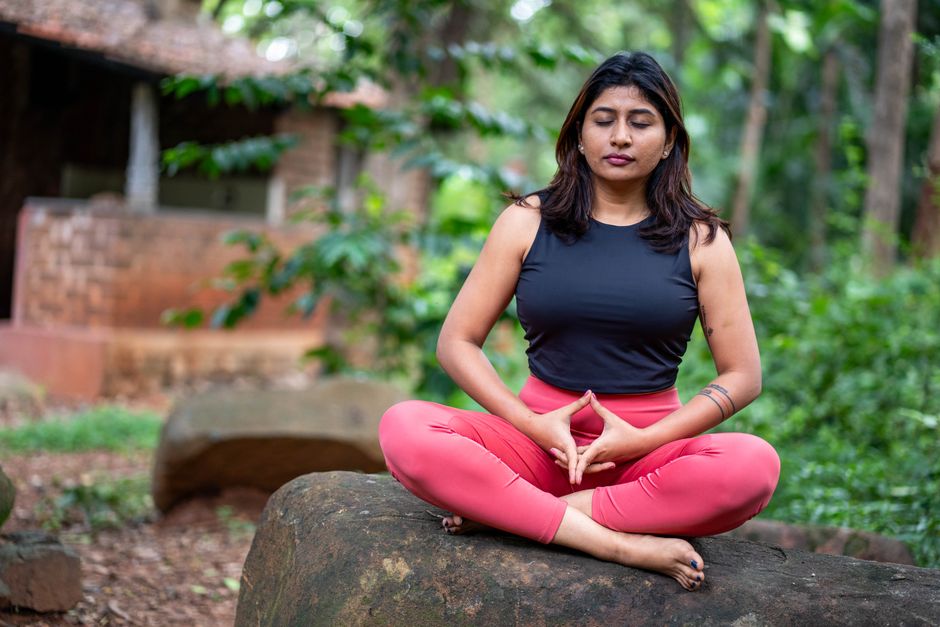
Eight weeks. That is all it takes for a structured mindfulness programme to measurably alter the physical structure of the human brain. Neuroscientists at Harvard Medical School documented the finding more than a decade ago, and the evidence has only grown denser since: regular meditation thickens the prefrontal cortex, shrinks the amygdala, and strengthens the connective tissue between regions responsible for self-regulation and emotional processing. These are not metaphors. They show up on MRI scans.
The timing matters because public interest in mental health tools has accelerated sharply since 2024, when the NHS reported that one in four adults in England experienced a diagnosable mental health condition in any given year. With waiting lists for talking therapies still stretching past six months in many Bristol GP surgeries, people are hunting for evidence-based self-help that goes beyond bubble baths and breathing apps. Mindfulness, backed by a serious body of peer-reviewed literature, sits in a different category — and Bristol's active wellness community has become one of the more interesting places in the UK to watch that science translate into practice.
The mechanism is less mysterious than it sounds. When you sit quietly and repeatedly redirect your attention back to the breath — or a body scan, or a sound — you are essentially doing reps at the gym, except the muscle is the anterior cingulate cortex, the region governing attention and impulse control. Functional MRI studies show this area activates consistently during mindfulness practice, and long-term meditators show greater grey matter density there compared with non-meditating controls.
The amygdala finding is arguably the most striking for anyone dealing with chronic stress. This almond-shaped structure fires the fight-or-flight response, and in people with anxiety disorders it tends to be both enlarged and hyperreactive. A 2018 study published in Social Cognitive and Affective Neuroscience found that participants who completed an eight-week Mindfulness-Based Stress Reduction (MBSR) course — the gold-standard clinical programme developed at the University of Massachusetts in 1979 — showed a statistically significant reduction in amygdala grey matter volume. Less tissue, less reactivity. The course itself runs roughly two hours per week plus daily home practice, and the format has been replicated in clinical settings worldwide.
Default Mode Network activity is another marker researchers track closely. This is the brain's background chatter — the self-referential loop of rumination that dominates when we are not focused on a task. Experienced meditators show markedly reduced DMN activity during rest, which correlates with lower rates of depression and anxiety in longitudinal studies. Put simply: quieter mental noise, measurably, on a scanner.
Stokes Croft's Breathe Arts Health Research centre has offered MBSR-adjacent programmes since 2022, with eight-week courses priced at £195 for individuals and reduced rates available on a sliding scale. Over on Whiteladies Road, Bristol Mindfulness Centre runs drop-in sessions on Tuesday evenings at £12 per class and links participants to qualified teachers accredited by the British Association for Mindfulness-Based Approaches (BAMBA). The University of Bristol's own Student Wellbeing Service introduced a structured six-week mindfulness course for students in September 2024, drawing on MBSR protocols and seeing a 34 per cent uptake increase in its first full academic year.
Further afield within the city, Easton's community hub The Cube hosts monthly introductory sessions free of charge — a deliberate effort to reach people who cannot absorb even a modest course fee. Facilitators there emphasise that no particular spiritual framework is required, a point worth stressing given that mindfulness carries cultural baggage for some would-be participants.
Anyone curious enough to start should know that the evidence firmly supports beginning with guided instruction rather than a solo app. BAMBA's website lists accredited teachers searchable by postcode. Bristol residents can also self-refer to the NHS Talking Therapies service, which in some cases offers mindfulness-based cognitive therapy for recurrent depression — no GP referral required. The science suggests even a modest, consistent practice — as little as ten minutes daily over eight weeks — produces detectable neurological change. The brain, it turns out, is considerably more plastic than most people realise. Speak to your GP or a qualified BAMBA-accredited teacher before beginning any therapeutic mindfulness programme.
About this article
Published by The Daily Bristol
Spread the word
Daily brief
Free, in your inbox before 7am. Weekdays.
The Daily Network — local news across Australia