Wellness
Bristol Residents Discover Free Mental Health Services Available Across City Districts
From Southmead to St Pauls, the city has more no-cost support options than most residents realise — here's how to find them.
4 min read
Wellness
From Southmead to St Pauls, the city has more no-cost support options than most residents realise — here's how to find them.
4 min read
Bristol now has at least a dozen free mental health drop-in and referral services operating across the city, yet NHS data published in May 2026 showed that roughly 40 percent of adults in the Bristol, North Somerset and South Gloucestershire integrated care area who needed mental health support in the past year did not seek it. Cost, confusion about eligibility, and the assumption that waiting lists are impenetrable all came up as reasons why.
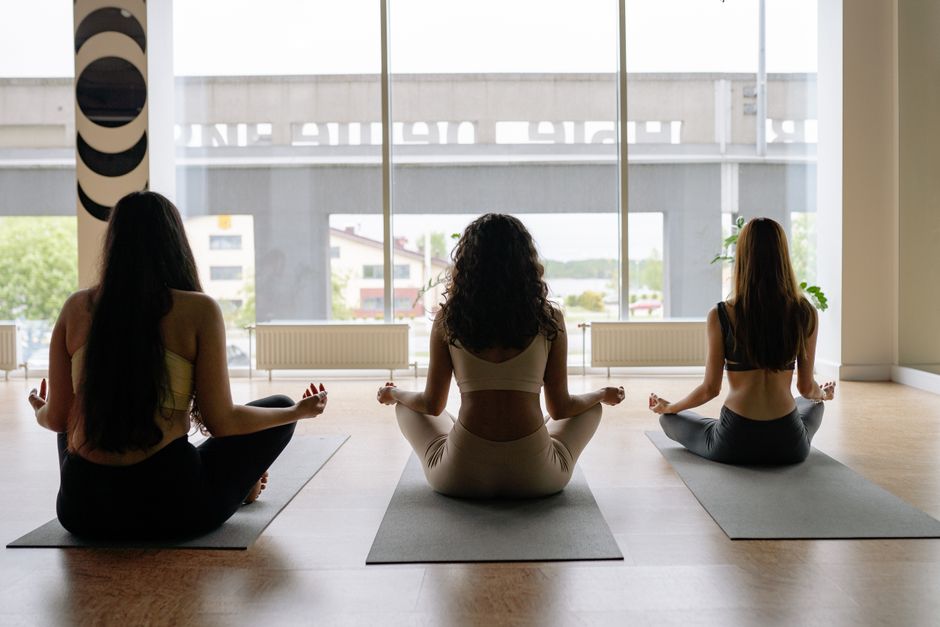
The timing matters. July is historically one of the crueller months for stress: the academic year collapses, finances tighten, and the pressure to appear fine during summer can be relentless. Nationally, searches for the phrase "I can't cope" spike each July, according to figures from the Mental Health Foundation. Bristol's own active wellness culture — the wild swimming at Henleaze Lake, the yoga studios along Stokes Croft, the running clubs out of Ashton Court — is a genuine asset, but it does not substitute for structured mental health support when things get serious.
The single most accessible entry point in the city is Bristol Mental Health's open-access service, which runs sessions at the Southmead Hospital site on Dorian Road and accepts self-referrals online at any hour. No GP letter is required. The service covers everything from low-level anxiety to crisis support, and the waiting time for an initial telephone triage appointment is currently running at around five to seven working days — shorter than many people expect.
Second Wave, based on Barton Hill Road in Barton Hill, operates one of the city's most established community wellbeing programmes and has quietly expanded its free one-to-one counselling slots since January 2026. The organisation works specifically with younger adults aged 16 to 25, offering six sessions at no charge, with an option to extend if a practitioner recommends it. Walk-ins are accepted on Tuesday afternoons between 1pm and 4pm.
For residents in the inner-city neighbourhoods of St Pauls and Easton, the Wellspring Healthy Living Centre on Beaufort Street runs weekly drop-ins staffed by trained mental health volunteers alongside a qualified counsellor every Thursday morning. The model is deliberately low-threshold: no appointment, no referral form, just turn up. The centre also hosts a peer support group for men over 30 on alternate Wednesdays — a demographic that NHS data consistently shows is the least likely to seek help voluntarily.
For anyone in acute distress, Bristol's NHS Mental Health Crisis Line operates around the clock on 0117 340 2555. Calls are answered by clinicians, not call handlers, and the line is free from any UK phone. The team can deploy a crisis response worker to a person's home, usually within two hours in central Bristol postcode areas. This is not a last resort — the line explicitly encourages people to call before a situation escalates.
Samaritans Bristol, whose branch sits on St Nicholas Street in the city centre, still offers face-to-face appointments on weekday mornings alongside its 116 123 phone line. Many people are unaware the branch exists; most assume Samaritans is phone-only. The branch is staffed entirely by volunteers from across the Bristol area and handled more than 8,000 contacts in 2025.
The practical advice is blunt: pick one service and make contact this week, not next month. The gap between recognising a problem and doing something about it is where most people lose months. If a GP appointment feels more comfortable, surgeries across the BS1 to BS16 postcode range can refer directly into Talking Therapies Bristol, which offers free CBT and counselling with an average wait of three weeks for a first appointment. Self-referral through the Talking Therapies portal at talkingtherapies.awp.nhs.uk takes about eight minutes. None of these services require private insurance, and none charge a fee. The main barrier, consistently, is simply not knowing they exist.
About this article
Published by The Daily Bristol
Spread the word
Daily brief
Free, in your inbox before 7am. Weekdays.
The Daily Network — local news across Australia