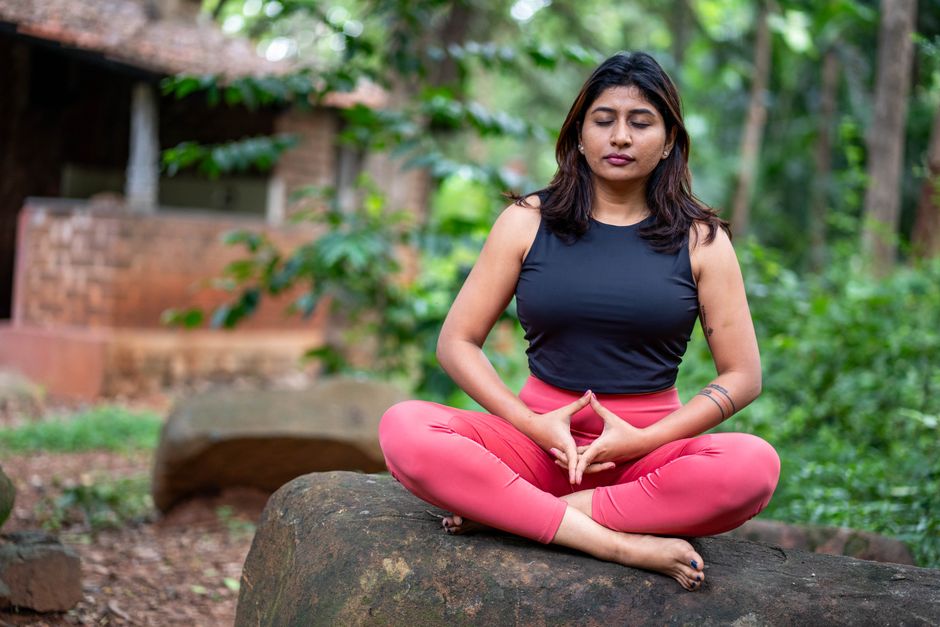
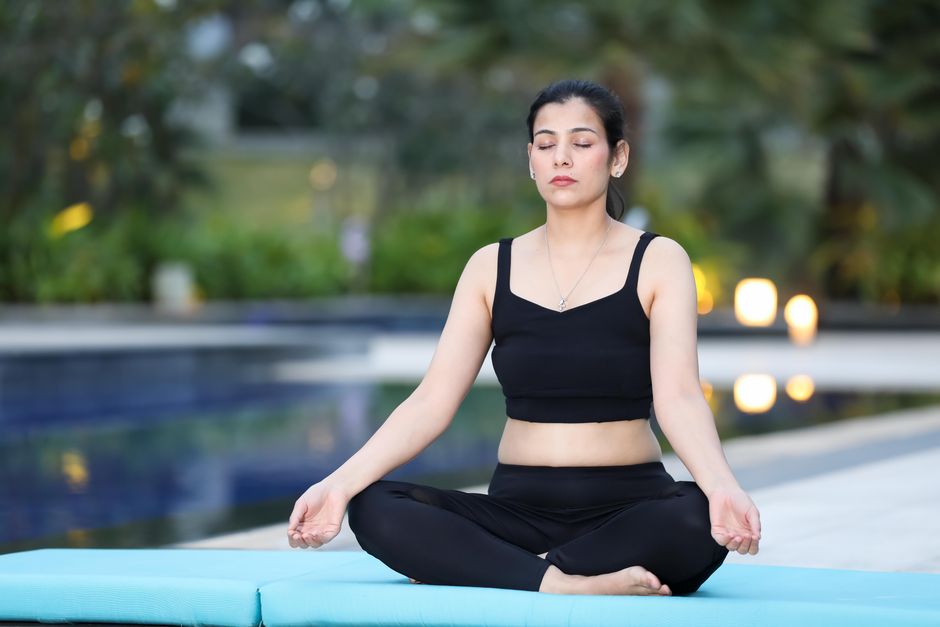
Scans don't lie. Studies using functional MRI technology show that eight weeks of consistent mindfulness practice measurably thickens the prefrontal cortex — the region responsible for decision-making, emotional regulation and focus — while shrinking the amygdala, the brain's threat-detection centre. This isn't self-help rhetoric. It's observable, reproducible neuroscience, and it's reshaping how Bristol's wellness community talks about meditation.
The timing matters. Mental health referral waiting lists across Bristol NHS Foundation Trust stretched to an average of 18 weeks in early 2026, according to figures published by the Trust in March. With statutory services under pressure, GPs in areas like Easton and Bishopston have increasingly pointed patients toward structured mindfulness programmes as a first-line complement to clinical care — not as a replacement, but as a tool people can begin using immediately.
What the research actually shows
The landmark work here came out of Harvard Medical School in 2011, when neuroscientist Sara Lazar and colleagues confirmed grey matter density increases in the hippocampus — critical for learning and memory — among participants who completed a Mindfulness-Based Stress Reduction (MBSR) programme. The standard MBSR course runs eight weeks, with participants committing to roughly 45 minutes of daily practice. Cortisol levels, the primary biological marker of stress, dropped by an average of 14 percent in a 2023 meta-analysis published in the journal Psychoneuroendocrinology covering 36 separate trials.
Default Mode Network activity is the other piece of this. When your mind wanders — running through tomorrow's to-do list, replaying a difficult conversation — a specific set of brain regions fires up collectively called the Default Mode Network. Chronic overactivation of this network is associated with anxiety and depression. Mindfulness practice, particularly focused-attention meditation, demonstrably quiets DMN activity. Beginners show the effect after as few as four weeks of regular practice.
Where Bristol practitioners are meeting the science
The Bristol Mindfulness Centre, based on Jamaica Street in Stokes Croft, has run MBSR courses since 2014. Their eight-week programme costs £295 for a standard place, with concession rates available, and sessions are held both in-person and online. The centre works with referrals from several Clifton and Redland GP practices, a relationship that has grown considerably since 2023.
Across the city, Breathe Yoga and Mindfulness Studio on Whiteladies Road in Clifton runs drop-in meditation sessions every Tuesday and Thursday morning at 7.30am, priced at £10 per class. Their instructors use a secular, evidence-referenced approach, drawing on MBSR methodology without the clinical structure. For people wanting to test the water before committing to a full eight-week course, it's a practical entry point.
The University of Bristol's Student Wellbeing Service introduced a six-week mindfulness programme for undergraduates in September 2024, delivered free of charge on the Clifton campus. Uptake in the first cohort exceeded capacity within 72 hours of places opening — a fairly blunt signal of demand among younger adults in the city.
For anyone considering starting, the evidence suggests frequency matters more than duration. Ten minutes daily produces more consistent neurological change than a single hour-long session once a week, according to research published in Frontiers in Human Neuroscience in 2024. Apps like Insight Timer offer free guided sessions, but local practitioners consistently argue that group-based practice — the kind available at Jamaica Street or Whiteladies Road — delivers better adherence rates over time. Social accountability, it turns out, works on the brain too.
Anyone with existing mental health conditions should speak with their GP or a registered Bristol-based therapist before beginning a structured programme. The science is compelling. The entry points in this city are real and accessible. The gap between knowing that and actually sitting down to breathe deliberately, for ten minutes, is the only one that counts.