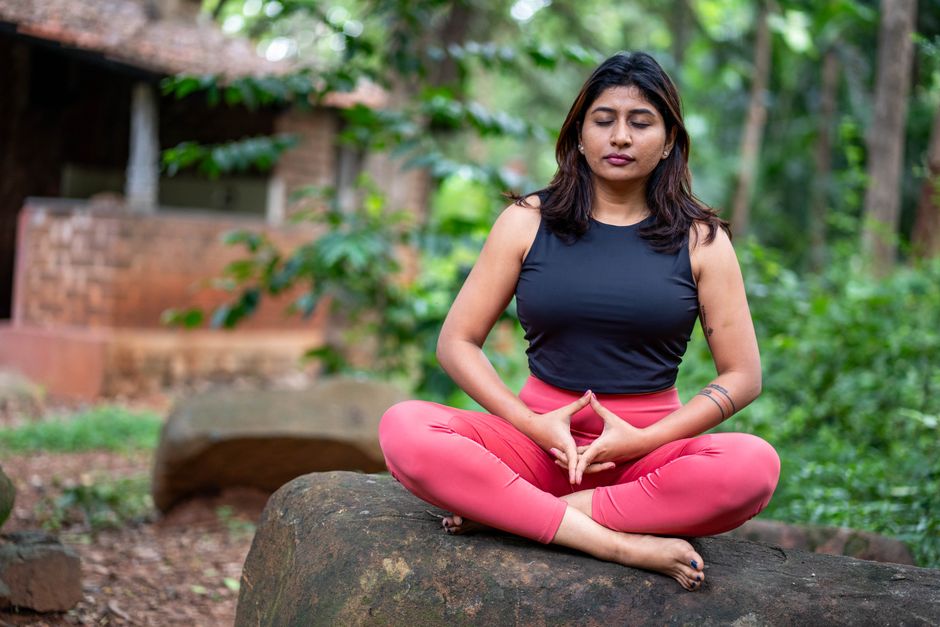
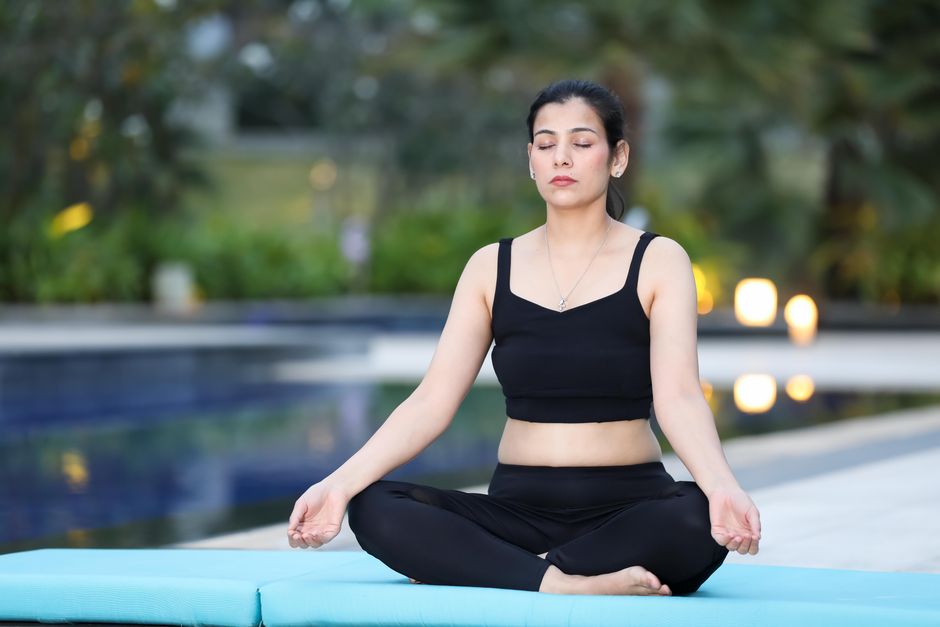
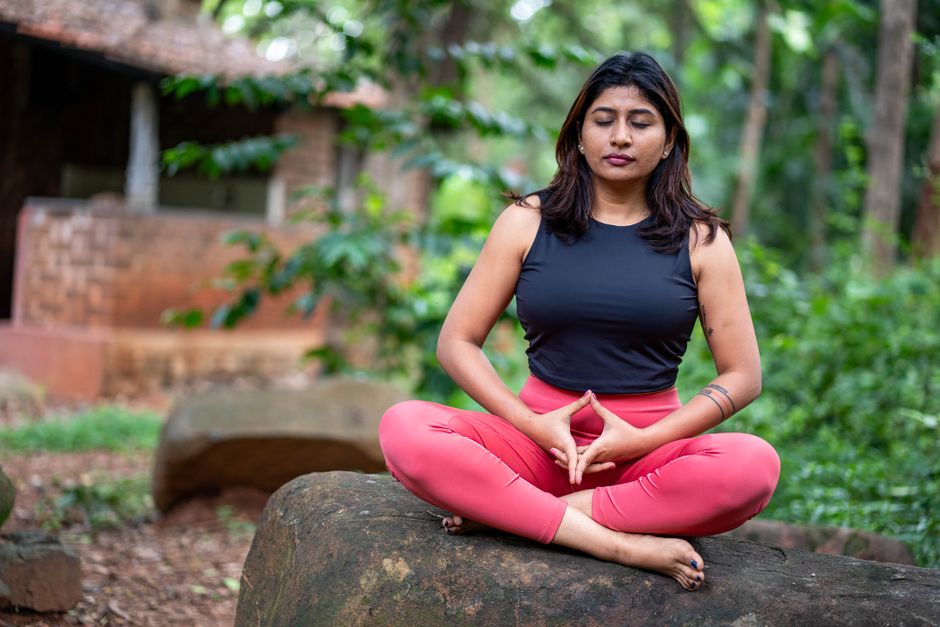
More than a dozen Bristol state schools are now running structured mindfulness and meditation sessions for pupils, a figure that has roughly doubled since 2022 as teachers report growing anxiety levels among children still recovering from pandemic-era disruption. The shift marks a significant change in how local schools approach mental health — moving from reactive counselling to preventative, classroom-based practice.
The timing matters. Youth mental health referrals to Bristol, North Somerset and South Gloucestershire Integrated Care Board topped 4,200 in the 2024–25 academic year, up 18 percent from two years prior. School staff are under pressure to act before children reach crisis point, and mindfulness — cheap to deliver, no prescription required — has moved from wellness fad to mainstream educational tool.
What's Running in Bristol Classrooms Right Now
The most established local program is delivered through the Bristol-based charity Mindfulness in Schools Project South West, which has trained teachers at schools including Redland Green School on Redland Hill and St Mary Redcliffe and Temple School in Bedminster. Both institutions run weekly 20-minute sessions embedded within personal, social and health education lessons rather than bolted on as extras. At Redland Green, the sessions are part of a broader wellbeing curriculum introduced in September 2024.
Easton Academy on Mivart Street started a different approach in January 2026, partnering with the national .b Foundation — pronounced "dot-be" — which supplies a nine-lesson curriculum designed specifically for 11- to 18-year-olds. The program costs schools roughly £400 for initial teacher training, with ongoing materials running to around £150 per cohort. Easton has so far put two Year 8 groups through the full course.
Primary schools haven't been left out. Bannerman Road Community Academy in Easton uses the Paws b curriculum — the primary-age version of .b — with Year 5 and Year 6 pupils. Teachers there describe it as six structured sessions covering breathing techniques, body awareness and managing difficult emotions. The Bristol Education Partnership, which coordinates several school improvement programs across the city, has flagged mindfulness training as a priority area for its 2026–27 funding cycle.
Does It Actually Work?
The evidence base is stronger than skeptics often assume. A 2024 randomised controlled trial published in the Journal of Child Psychology and Psychiatry, tracking 8,376 pupils across England, found that students who completed the .b curriculum reported measurably lower scores on standardised anxiety measures nine months after finishing the program. Effect sizes were modest but consistent across income levels — important for a city like Bristol, where the gap in mental health outcomes between Clifton and Lawrence Hill remains stark.
Local schools report practical benefits beyond data. Staff at Redland Green noted a reduction in corridor conflict during transition periods after mindfulness sessions were introduced to Year 7. That's an anecdotal observation, not a controlled study, but it's the kind of outcome that keeps headteachers writing it into timetables when curriculum space is already stretched thin.
Critics argue that mindfulness places the burden of managing systemic pressures back on individual children. That debate is live in educational research circles and worth taking seriously. But for Bristol parents trying to help anxious children now, the programs exist and are free at the point of use within state schools.
For families whose schools haven't yet signed up, Bristol's Breathworks affiliate — which runs adult courses from the Hamilton House cultural centre on Stokes Croft — offers youth-focused introductory workshops on occasional Saturdays, typically priced at £15 per child. The next scheduled session is listed for 18 July 2026 on their website. Parents are also encouraged to contact their child's SENCO directly to ask whether a .b or Paws b referral is possible — many schools have trained staff but haven't yet formalised a whole-school rollout. Asking the question is often how programs get started. As always, consult your GP or a local healthcare professional if your child is experiencing significant mental health difficulties.