Wellness
The Hidden Nature Walks Locals Love but Tourists Miss in Bristol
Beyond the harbourside and Ashton Court, tucked-away green corridors are a ritual for Bristol’s outdoor enthusiasts.
3 min read
Wellness
Beyond the harbourside and Ashton Court, tucked-away green corridors are a ritual for Bristol’s outdoor enthusiasts.
3 min read
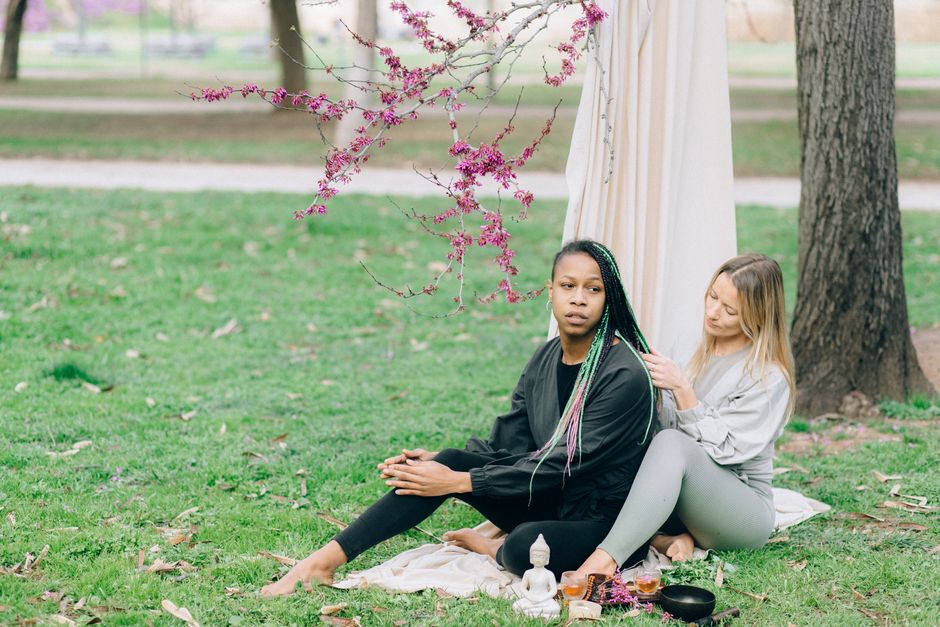
Long Ashton’s Parsons Paddock was alive with joggers and families this morning, but a few hundred metres away, the footpath beneath Hanging Hill was empty but for a pair of early dog walkers. Just ten minutes’ walk from bustling North Street, this stretch—fringed with wildflowers and tangled hedgerows—remains invisible to most visitors. For locals, these hidden greenways are an essential part of Bristol’s summer fitness routine.
The start of July has brought relentless heat to Bristol, with 2026 already tracking as one of the city’s warmest years since the 1976 drought. Popular parks like The Downs and Castle Park have been unusually packed most evenings, prompting many Bristolians to seek out quieter, shadier options for their outdoor exercise. Fitness trainers at Bedminster-based group MoveGB say bookings for lesser-known walks have doubled since mid-June, as regulars look for ways to avoid overcrowded main routes.
Among the most cherished: the South Purdown Nature Reserve, accessible via Heath House Lane and straddling the border of Lockleaze and Horfield. The reserve’s meadow paths wind down to the Frome Valley Walkway, where tree cover keeps temperatures several degrees cooler than the city centre, according to Bristol Parks and Green Spaces’ own weather sensors. Further east, the Troopers Hill woodland trail—reached via Summerhill Terrace in St George—delivers sweeping Avon Valley views and a distinctly wild feel, despite being only 15 minutes by bus from Broadmead. Both spaces are managed in part by hyperlocal volunteer groups, Friends of Troopers Hill and South Lockleaze & Purdown Neighbourhood Group, which leads weekly conservation walks every Thursday at 6pm during summer months.
Data from Bristol City Council shows a marked uptick in park usage: in June 2026, footfall counters recorded over 200,000 visits across major city parks, up 15% year on year. Yet usage of remote trails like the Brislington Brook Walk was far lower, with volunteers estimating fewer than 60 weekday users—even in good weather. Walkers using these lesser-trodden paths often cite peace, shade and proximity to natural wildlife as key draws. Public Health Bristol, which audits local access to green space, notes that homes within 300 metres of the Malago Greenway in Bedminster West have some of the highest self-reported wellbeing scores in the city, and credits the nearby hidden woodland paths as a contributing factor. For those wanting to branch out, the Bristol Walk Fest’s digital map—updated in May—now spotlights more than a dozen unpromoted local routes, from Nightingale Valley in Brislington to Henleaze Lake’s leafy perimeter footpath (public access is free on Friday mornings).
The financial barrier is low. Most local greenways remain free to walk or run, with only optional donations to support conservation groups like Friends of Eastwood Farm. For residents seeking regular motivation, MoveGB’s outdoor classes range from £5 for a single group walk to £20 for a monthly pass covering unlimited sessions across all partner parks.
With this summer’s extra-high footfall forecast to continue into August, local well-being advisors suggest early morning or evening for the best hidden-walk experience. Details of all mapped routes, accessibility notes, and volunteer-led group walks are now included on the Bristol City Council’s Green Spaces portal. And as the city’s temperatures remain high, these shaded—and overlooked—nature trails look set to become even more integral to Bristol’s active summer routine.
About this article
Published by The Daily Bristol
Spread the word
Daily brief
Free, in your inbox before 7am. Weekdays.