Wellness
Building Psychological Resilience with Small Daily Habits
Bristol's thriving wellness community is showing how micro-habits — not grand overhauls — are the most reliable route to a calmer, steadier mind.
4 min read
Updated 1 h ago
Wellness
Bristol's thriving wellness community is showing how micro-habits — not grand overhauls — are the most reliable route to a calmer, steadier mind.
4 min read
Updated 1 h ago
The single most consistent finding in recent mental health research is also the most counterintuitive: grand lifestyle transformations rarely stick, but tiny, repeated daily actions do. That is the message gaining traction among Bristol's wellness practitioners, community groups and NHS-linked services this summer — and the evidence behind it is harder to ignore than ever.
Mental health pressures have not eased. The NHS reported in its 2025 annual survey that one in five adults in England experienced a common mental disorder — anxiety, depression or stress-related conditions — in the preceding twelve months. In Bristol, where the cost of renting a two-bedroom flat in Clifton now averages £1,650 per month according to Rightmove data from June 2026, financial strain compounds the picture. Practitioners at the Brandon Trust and the Samaritans Bristol branch on Victoria Street both report sustained demand for support services, particularly among 25-to-40-year-olds.
Neuroscience has been making this case for years. Repeated small behaviours — a ten-minute morning walk, three slow breaths before opening email, writing one sentence of gratitude before bed — gradually reshape the brain's stress-response pathways. The process, sometimes called neuroplasticity-led habit stacking, does not require expensive kit or a gym membership. It requires consistency over novelty.
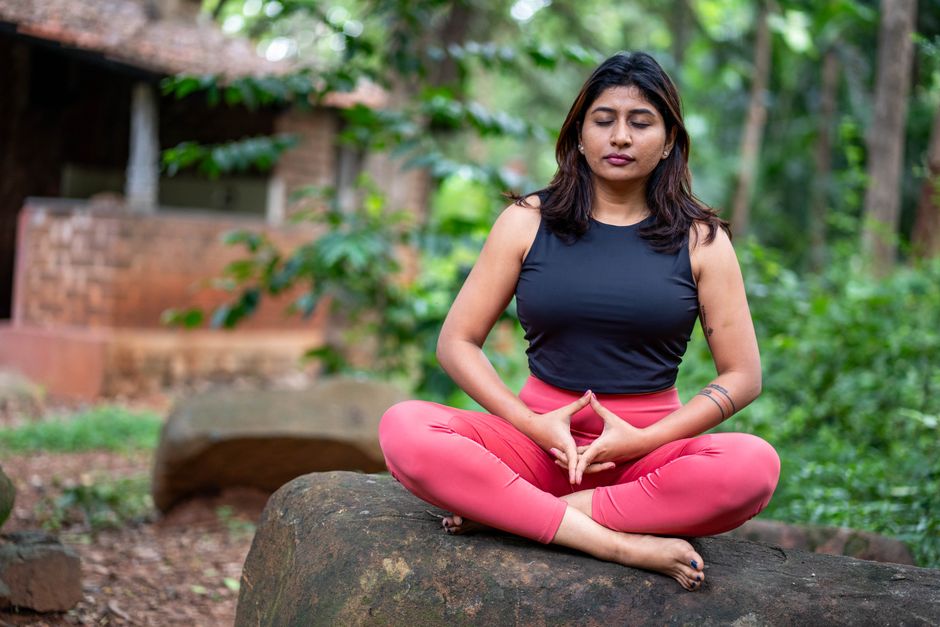
Bristol is, in many ways, well set up for this kind of low-barrier resilience building. The city's network of green spaces is exceptional for its size. Eastville Park in the north of the city and Greville Smyth Park down in Bedminster both host free early-morning walking groups that draw regulars year-round. St Andrews Park in Montpelier has become a gathering point for informal outdoor yoga sessions on weekend mornings, largely organised through local community Facebook groups rather than commercial studios. None of these cost anything. All of them deliver on two of the evidence-backed pillars of psychological resilience: physical movement and social connection.
Mind BANES — the local affiliate of the national Mind charity, operating across Bristol, Bath and North East Somerset — runs a structured eight-week programme called Wellbeing in Mind, offered free to GP-referred residents. The programme explicitly teaches habit formation alongside cognitive tools for managing anxious thinking. Referrals have risen 22 per cent since January 2025, according to figures the organisation shared in its spring 2026 newsletter. The Bristol Mindfulness Centre, based near the university quarter on Woodland Road, runs public eight-week MBSR (Mindfulness-Based Stress Reduction) courses for £295, with a sliding scale available for lower-income participants.
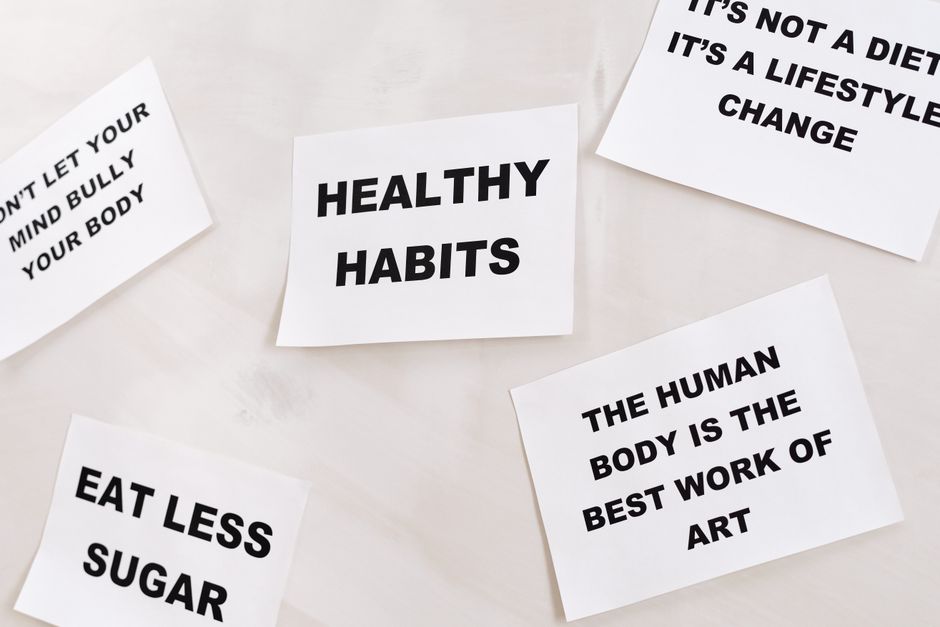
Researchers and practitioners consistently point to four habit categories that move the needle most reliably on psychological resilience. First: sleep consistency — going to bed and waking at roughly the same time, seven days a week. Second: brief daily movement, specifically outdoors where possible. Third: deliberate social contact — not scrolling through social media but an actual conversation, even a short one. Fourth: a simple end-of-day reflection practice, whether written or spoken aloud.
The key word is brief. A 2024 study published in JAMA Psychiatry found that just 20 minutes of moderate outdoor walking five days a week produced measurable reductions in cortisol levels within six weeks. That is a lunch break, or the distance between Temple Meads station and the waterfront at Harbourside.
Bristol Wellbeing College, which operates from its base in Barton Hill, offers free self-referral courses in managing low mood and anxiety and runs sessions specifically on building daily resilience habits. Registration for the autumn 2026 cohort opens on 14 July via their website. Places go quickly — the spring cohort was fully subscribed within nine days of opening.
The practical advice is straightforward: pick one habit from the four categories above, attach it to something you already do every day — morning coffee, a commute, brushing your teeth — and do it for three weeks before adding another. The Harbourside loop is 1.4 miles. Eastville Park's outer path takes under twenty minutes at a relaxed pace. Start there. Consult a GP or local mental health professional if you are experiencing persistent low mood or anxiety symptoms that are affecting daily life.
About this article
Published by The Daily Bristol
Spread the word
Daily brief
Free, in your inbox before 7am. Weekdays.