Wellness
Move More, Worry Less: The Science Behind Exercise and Anxiety Reduction
Bristol's thriving fitness scene offers some of the most accessible tools for managing anxiety — and the evidence behind them is harder to ignore than ever.
4 min read
Wellness
Bristol's thriving fitness scene offers some of the most accessible tools for managing anxiety — and the evidence behind them is harder to ignore than ever.
4 min read

A single 30-minute aerobic workout can reduce self-reported anxiety by up to 48 percent, according to research published in the journal Frontiers in Psychiatry. That figure is not a footnote. For the roughly one in six adults in England currently experiencing anxiety disorders — a number the NHS estimates has barely shifted since 2023 — it represents one of the most underprescribed interventions available.
The timing matters. July is, paradoxically, one of the most stressful months for many urban residents: the school year ends, finances tighten, heatwaves disrupt sleep, and the ambient noise of a world that feels perpetually on edge does not pause for summer. Bristol, a city with a genuinely active wellness culture, is better placed than most to offer its residents a practical response. The question is whether enough people know what is on their doorstep.
The mechanism is not mysterious. Physical activity triggers the release of endorphins and reduces baseline levels of cortisol, the stress hormone most closely associated with chronic anxiety. Sustained aerobic exercise — running, cycling, swimming, rowing — also promotes neurogenesis in the hippocampus, the brain region that regulates fear responses. Put more plainly: regular movement physically remodels the brain's anxiety circuitry over time.
The effect compounds. A study from University College London, tracking 14,000 participants over five years and published in February 2025, found that people who exercised at least three times weekly were 29 percent less likely to develop generalised anxiety disorder than sedentary counterparts, even after controlling for diet and sleep quality. Three sessions a week. That is a low bar for a high return.
High-intensity interval training has attracted particular attention in clinical settings. A 20-minute HIIT session produces a cortisol spike during the workout followed by a sharper-than-usual cortisol drop in the 90 minutes afterwards — a kind of enforced physiological reset. But researchers are equally clear that gentler movement counts. A brisk 45-minute walk along the Harbourside produces measurable mood improvements, partly through the exercise itself and partly through the environmental exposure to open water and social space.
Bristol Parkrun operates every Saturday morning at 9am across multiple locations, including Eastville Park in Eastville and Ashton Court Estate in Long Ashton. Both are free to enter, require only a pre-registered barcode, and attract a deliberately non-competitive atmosphere that suits anxious beginners better than most organised sport. Eastville Park's route is flat; Ashton Court's 5k involves enough elevation to constitute a genuine workout. Combined weekly attendance across Bristol's parkrun events regularly exceeds 1,200 participants.
For structured, clinician-adjacent support, the Bristol Active Life Project — commissioned by Bristol City Council and delivered through self-referral GP partnerships — connects residents with subsidised exercise programmes specifically designed for people managing mental health conditions. Referrals are accepted from GP surgeries across BS1 to BS16 postcodes. A 12-week supported programme costs participants nothing out of pocket.
The growing network of outdoor gyms also deserves more credit than it typically receives. St Andrews Park in Montpelier has a well-maintained outdoor fitness installation open year-round, no membership required. Greville Smyth Park in Bedminster added new equipment in spring 2025. These spaces remove the financial and social barriers that make conventional gyms inaccessible to people already dealing with anxiety.
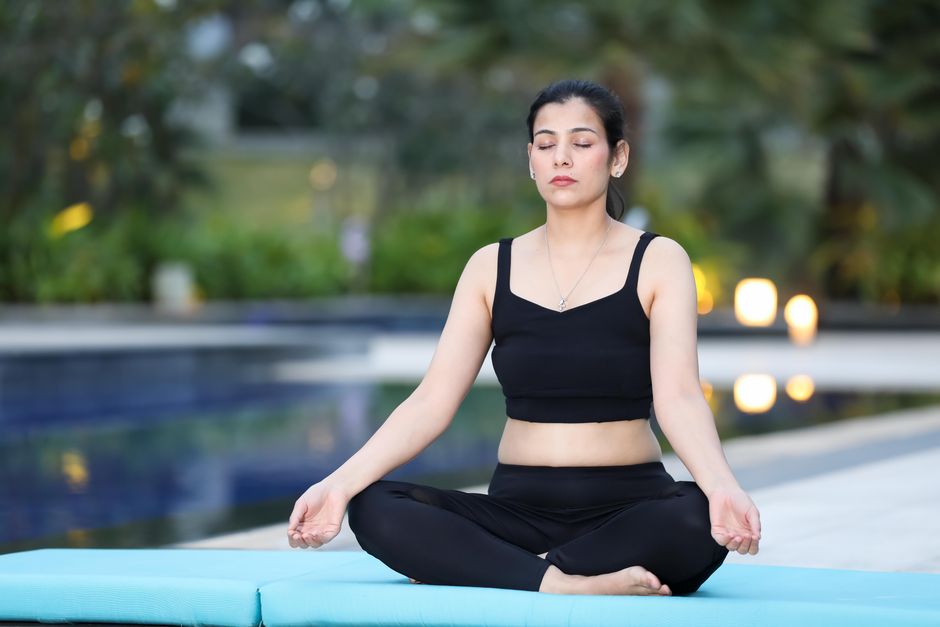
If something more structured is needed, yoga studios along Gloucester Road — including several independents clustered between Horfield and Bishopston — offer drop-in sessions from around £10, with sliding-scale pricing increasingly common following demand from local community groups.
The practical advice here is straightforward. Start with what requires the least friction: a walk around Clifton Down, a Saturday morning at Eastville Parkrun, 20 minutes on the outdoor equipment at St Andrews Park. Build frequency before intensity. Three sessions a week is the evidence-backed threshold. Consistency matters more than heroics. And if anxiety is significantly affecting daily life, a GP at any Bristol NHS practice can refer patients to talking therapies or the Bristol Active Life Project simultaneously — exercise and professional support are not an either/or choice.
About this article
Published by The Daily Bristol
Spread the word
Daily brief
Free, in your inbox before 7am. Weekdays.