Wellness
Breathwork techniques for instant calm during a stressful day
Bristol's growing mindfulness scene is pointing to a deceptively simple tool — your own breath — as the fastest route back from the edge.
4 min read
Updated 1 h ago
Wellness
Bristol's growing mindfulness scene is pointing to a deceptively simple tool — your own breath — as the fastest route back from the edge.
4 min read
Updated 1 h ago
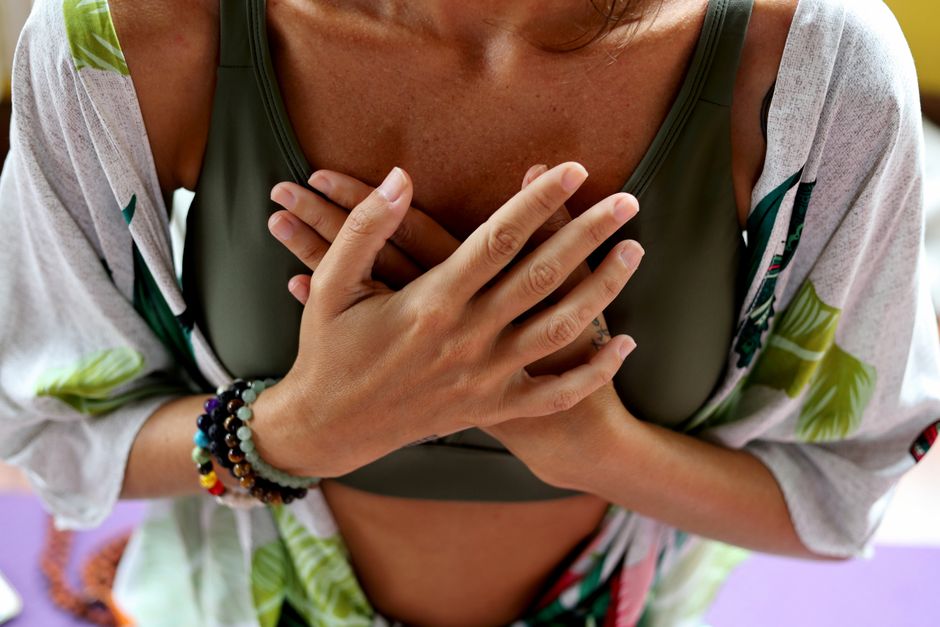
Three breath cycles. That is, according to practitioners at Bristol's Breathe & Be studio on Gloucester Road, roughly how long it takes for a structured breathing technique to begin measurably shifting your body's stress response. Not a month of therapy, not a week of yoga — three slow, deliberate breaths.
The heat gripping much of Europe this summer, paired with a cost-of-living squeeze that has barely loosened its grip on households across Stokes Croft and Bedminster alike, has pushed stress levels in the city to a point where GPs at several North Bristol NHS Trust surgeries are now signposting patients toward community breathwork classes before reaching for a prescription pad. Demand for low-cost, immediate coping tools has never been sharper.
The evidence base here is solid enough to take seriously. A 2023 study published in Cell Reports Medicine followed 114 participants across five weeks and found that daily five-minute breathwork sessions reduced self-reported anxiety scores by 44 percent — outperforming mindfulness meditation alone on speed of effect. The mechanism is physiological: slow, extended exhales activate the parasympathetic nervous system, dropping heart rate and cortisol within minutes.
The technique most commonly taught in Bristol community settings right now is box breathing — four counts in, four counts hold, four counts out, four counts hold — the same method used in military stress-inoculation programmes and, increasingly, in corporate wellbeing workshops at Paintworks Enterprise Zone in Brislington. A slightly different approach, the 4-7-8 method popularised by Dr Andrew Weil, extends the exhale to eight counts, which practitioners say produces a deeper parasympathetic effect and is particularly useful before bed or before a high-pressure meeting.
Then there is physiological sighing — a double inhale through the nose followed by a long, slow exhale through the mouth. Stanford neuroscientists identified this pattern in 2022 as the single fastest way to offload carbon dioxide buildup, the chemical signal that keeps the nervous system locked in a state of alarm. You can do it in your chair, on the 24 bus heading down Whiteladies Road, or in a supermarket queue. Nobody notices. It works in under 60 seconds.
Several local organisations have built structured programmes around these techniques. The Bristol Meditation Centre on St Nicholas Street runs a six-week Breathwork Foundations course for £85, with concession rates at £55 for those on Universal Credit — the next cohort starts 14 September. Across town, Yoga South West at the Tobacco Factory in Southville incorporates pranayama breathwork into its Tuesday evening drop-in classes, which cost £12 a session and regularly attract 30 or more attendees.
For those who prefer something free and self-directed, Headspace's Basic course and the NHS-linked Every Mind Matters platform both carry guided breathwork audio sessions that take under seven minutes. The catch with apps is accountability — completion rates for self-guided programmes hover around 15 percent, according to a 2024 University of Bristol pilot that tracked engagement with digital mental health tools among 200 students at the Clifton campus.
The practical advice from instructors across the city runs fairly consistent. Start with two minutes, not twenty. Pick one technique and repeat it at the same time each day — immediately after your morning coffee, or on the walk from Temple Meads station platform to the taxi rank — until the habit is embedded. The research on habit formation suggests that consistency of context matters more than duration, particularly in the first four weeks.
If stress symptoms are persistent, disruptive to sleep, or feel unmanageable, the starting point should always be a conversation with a GP or a referral to Bristol's Healthy Minds service, which offers free talking therapies with typical waiting times currently running at around eight weeks. Breathwork is a powerful first-response tool. It is not a replacement for professional support when that support is what someone genuinely needs.
About this article
Published by The Daily Bristol
Spread the word
Daily brief
Free, in your inbox before 7am. Weekdays.