Wellness
Yoga styles explained: which one suits your lifestyle
From sweaty Bikram sessions in Stokes Croft to restorative flows in Clifton, Bristol's yoga scene has never been more varied — or more confusing.
4 min read
Updated 1 h ago
Wellness
From sweaty Bikram sessions in Stokes Croft to restorative flows in Clifton, Bristol's yoga scene has never been more varied — or more confusing.
4 min read
Updated 1 h ago
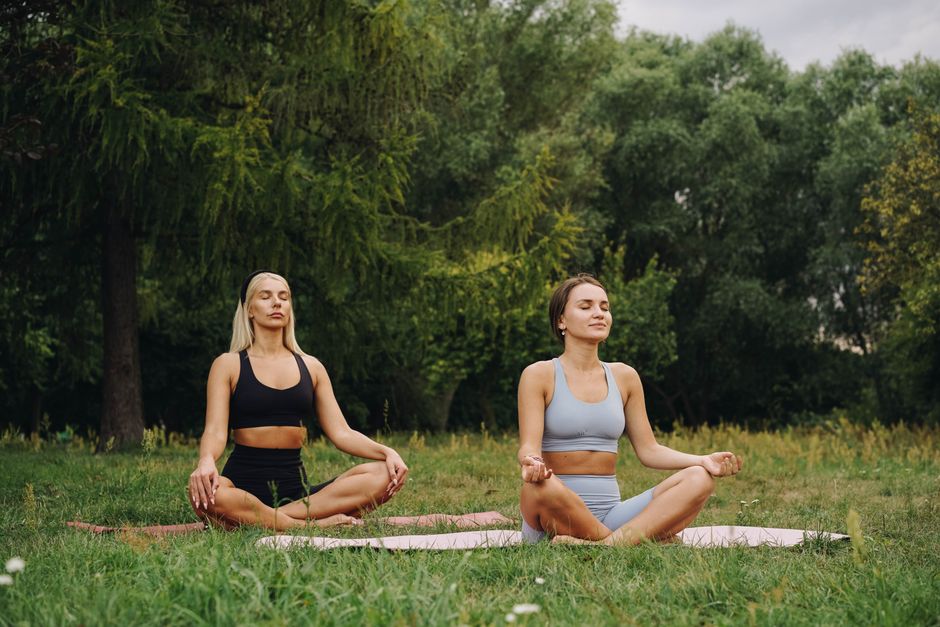
Bristol now has more than 60 yoga studios and regular class venues operating across the city, according to a July 2026 count by wellness directory MindBody Connect. That figure has doubled since 2019. For anyone standing in a Bishopston leisure centre corridor trying to decide between Ashtanga and Yin, the choice can feel genuinely overwhelming.
The timing matters. After a stretch of unusually warm, disrupted weather this summer, sleep quality and stress levels are measurably up — a pattern GP surgeries across BS6 and BS7 have flagged in patient feedback since May. The NHS's own Every Mind Matters campaign, relaunched in April 2026, explicitly points to movement-based mindfulness as a first-line tool for mild anxiety. Yoga sits squarely in that category, but the style you choose shapes whether you come home calmer or more wired than when you left.
Here, then, is a plain-language guide to the main styles practised in Bristol right now — and an honest assessment of who each one actually suits.
Vinyasa Flow is the most common class you will find on a Bristol timetable. It links breath to movement in continuous sequences, and the pace can be brisk. Yoga Republic on Gloucester Road runs four Vinyasa sessions a week, priced at £14 a drop-in. It suits people who feel restless sitting still and want their mindfulness to arrive through physical exhaustion rather than before it. Not ideal if you have wrist or shoulder injuries.
Ashtanga is Vinyasa's more regimented cousin — a fixed sequence of postures practised in the same order every session. Shala Bristol in Redland runs traditional Mysore-style Ashtanga on Tuesday and Thursday mornings from 7am. The rigid structure appeals to people who thrive on routine and measurable progress. Beginners are warned: the primary series takes months, sometimes years, to complete fully.
Bikram and hot yoga generally — classes held in rooms heated to between 37°C and 40°C — attract a loyal following at Fierce Grace Bristol near the Harbourside. The heat forces muscular release and, proponents argue, accelerates detoxification. Drop-in prices start at £18. The science on detox claims is contested, but the cardiovascular effect is real; a 2023 study published in the Journal of Strength and Conditioning Research found 90-minute hot yoga sessions produced heart-rate responses comparable to moderate cycling. Not recommended if you are pregnant or managing blood pressure issues.
Yin Yoga holds floor-based postures for three to five minutes each, targeting connective tissue rather than muscle. Sessions feel almost meditative. The Bristol Buddhist Centre on Romney Avenue in Lockleaze incorporates Yin principles into several of its evening mindfulness programmes, with sliding-scale pricing from £6 to £12. Perfect for people whose nervous systems are already running hot — desk workers, parents of young children, anyone managing chronic low-grade stress.
Restorative Yoga goes further still: postures are supported entirely by bolsters, blankets and blocks, and the body does almost nothing active. The goal is parasympathetic activation — the physiological opposite of a fight-or-flight response. Several community centres in Easton and St Werburghs have introduced restorative classes specifically targeting shift workers and new parents since January 2026, often at subsidised rates under Bristol City Council's Active Bristol programme.
Hatha sits in the middle and is probably the safest default for a complete beginner. It moves slowly, holds postures with explanation, and rarely produces the sense of competitive pressure that can creep into faster classes. Most Bristol leisure centres — including Hengrove Leisure Centre in south Bristol — run Hatha sessions at around £6.50 per class through self-referral.
The practical advice: try three different styles before deciding the practice is not for you. Bodies respond differently to different teachers, spaces and pacing. If you are managing a specific condition — hormonal changes, anxiety, chronic pain — speak to your GP or a registered physiotherapist before committing to high-intensity or hot formats. The Complement Therapy register Yoga Alliance Professionals UK can verify instructor qualifications if you want to check credentials before booking.
About this article
Published by The Daily Bristol
Spread the word
Daily brief
Free, in your inbox before 7am. Weekdays.